


Filter by Categories
Mercy, Pilgrimage, and Providence
Sermon by John W. RitenbaughGrumbling is the fruit of discontent, and discontent springs from pride and a lack of faith. Israel murmured against God ten times in the first two years, even after eleven miracles, because fear and anguish led them to doubt that He would provide. They limited God by setting boundaries in their own minds, forgot His past works, and sought their own means of escape, which invariably involved sin. Their bones were strewn across the wilderness as proof of their unbelief. Satan's own discontent, mixed with pride, began his rebellion, and human nature is insatiable, always desiring more and better even when richly blessed. Paul lists murmuring with idolatry, fornication, and tempting God (I Corinthians 10), yet grumbling itself is a symptom, like the fever of the flu, of an underlying spiritual cancer: the belief that God owes us better and the doubt that is the opposite of faith. Grudging obedience (Philippians 2:14) is not real obedience, because it reveals a mind still disagreeing with God. Godliness with contentment is great gain (I Timothy 6:6). This contentment rests on God's providence, not on stoic self-sufficiency, and it does not forbid working to improve one's lot. It must be learned through seeing God provide repeatedly. The cure for grumbling is to dwell on what God has already given. Since the Father did not spare His own Son, He will freely give whatever else is needed (Romans 8:32; Philippians 4:19).
Are You an Israelite?
Sermon by Richard T. RitenbaughGrumbling is a deeply ingrained human tendency, close to the surface in Israel, and God treats it as a grave sin rather than a minor vice. Paul warns spiritual Israel, "nor complain, as some of them also complained, and were destroyed by the destroyer" (I Corinthians 10:10), and the destroyer is the same death angel that struck Egypt's firstborn. At Kadesh (Numbers 14) the people wept and murmured against Moses and Aaron, preferring slavery or death in Egypt to following God. Their murmuring was rebellion and unbelief, so they died in the wilderness. Because God chooses and works through His servants, murmuring against leaders is murmuring against Him. He kept honoring Aaron, Moses, and David despite their serious sins, so believers must learn to submit to chosen leaders without complaining, even when they disagree. Grumbling is a lack of faith in God's leadership, sovereignty, and providence, and it ungratefully ignores how much He has given. Paul is the model: through beatings, shipwrecks, and a thorn in the flesh he learned to be content in every state (Philippians 4:11-13), trusting that he was in the Potter's hands. When a real problem with a human leader arises, the remedy is patience, looking beyond the man to God, and following the steps of Matthew 18:15 exactly, not spreading division. Philippians 2:12-16 commands doing all things without murmuring and disputing, so that believers shine as blameless children of God in a crooked generation.
The Longsuffering of Our Lord Is Salvation
Sermon by Martin G. CollinsGrumbling is the opposite of longsuffering, and it flows from selfishness. James 5:9 commands, "Do not grumble against one another, brethren, lest you be condemned," and the warning is that continuing in it brings judgment. The word means to sigh or groan, and it describes inner distress more than open complaint. It is not so much loud, bitter denunciation as the unexpressed bitterness and smothered resentment toward someone that surfaces in a sigh or groan, so it reaches down into attitude. Believers are to be longsuffering toward outsiders who oppress them and toward insiders who irritate them, rather than harboring this hateful reaction. Israel in the wilderness shows grumbling for what it is. After God delivered them from Egypt, they spoke against God and Moses over the long route, the lack of food and water, and the "worthless bread," instead of thanking Him for their food, freedom, and visible presence. Their impatience was selfish whining and demanding. They put self above God's purposes and wanted their desires met immediately rather than by His perfect plan. God answered with fiery serpents, and the people confessed that they had sinned by speaking against Him. Impatience and intolerance are fruits of selfishness, whereas longsuffering is a fruit of self-sacrifice. God Himself bears long with human provocation, so His people should bear with one another and refuse bitterness, forgiving as Christ forgave.
Limiting the Holy One of Israel (Part One)
Sermon by Martin G. CollinsGod has self-imposed limitations when we go against His commands, testing His patience, purposely limiting Him by our faithlessness, robbing ourselves of blessings.
Authority: Why So Many Resent It
Sermon by Martin G. CollinsPride, the father of all sins, is the source of self-exaltation, self-justification and the despising of authority. It cloaks rebellion in a deceptive appeal.
Sovereignty and Its Fruit: Part Ten
'Personal' from John W. RitenbaughOnce we accept God's sovereignty, it begins to produce certain virtues in us. Here are four of these byproducts of total submission to God.

Baruch's Complaint (Part Two)
'Prophecy Watch' by Charles WhitakerJeremiah and his scribe, Baruch, lived during a time of great upheaval. Baruch complained that God's plans against Judah were crimping his own ambitions.
Thankfulness (1986)
Sermon/Bible Study by John W. RitenbaughWe need to give thanks for everything, blessings and trials. Christianity ought to be an exhilarating experience, but it depends on our outlook on life.
Fully Accepting God's Sovereignty, Part Three: The Fruits
'Personal' from John W. RitenbaughHere are four qualities of character that our full acceptance of God's sovereignty will build and that will prepare us for whatever work God may choose for us.
Patiently Waiting for Christ's Return
Sermon by Martin G. CollinsWe must develop an active, God-given restraint and constancy in endurance while facing trials and waiting for Christ's return, trusting that God will provide.
The Fruit of the Spirit: Patience
'Personal' from John W. RitenbaughBiblically, patience is far more than simple endurance or longsuffering. The patience that God has shown man gives us an example of what true, godly patience is.
The Ministry
Feast of Tabernacles Sermon by John O. ReidThe church has lost faith in God to work through His ministry. We must develop a balanced insight into the function of the helpers of our joy.
The Sons of Korah: Door Keepers
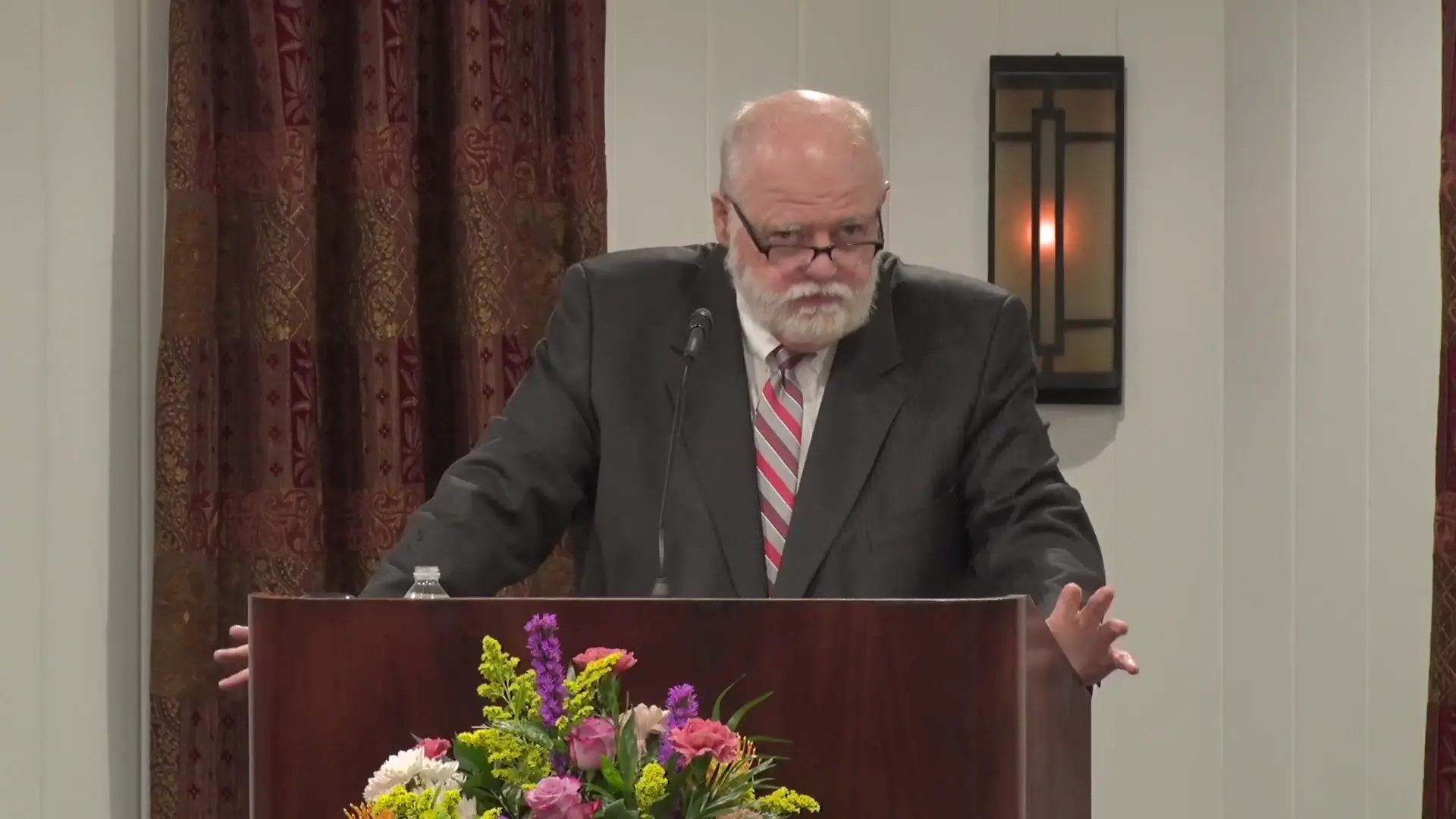
Sermon by Ted E. BowlingPeople often grumble about their position in the world or their lives. In doing so they overlook the great blessings that have been given. Grumbling leads to destruction because it destroys order, unity, and peace. The sons of Korah learned that true honor is not fighting for the spotlight but in guarding the house and guarding the doors of God's presence. They proved that any position given by God is a position to be honored and cherished.
Are We Ready To Enter The Promised Land?
Feast of Tabernacles Sermon by Richard T. RitenbaughWe may not be troubled by giants or enemy nations, but we have trials of similar magnitude. We dare not behave as the timid spies, but live with boldness.