


Filter by Categories
Defining Trials
Feast of Tabernacles Sermon by John O. ReidIn our Christian calling, we are set apart to have our minds and natures transformed into those of God and Jesus Christ through obedience to His laws, a process that involves enduring trials. These trials, though not often highlighted among the positive promises of salvation and protection, are crucial in defining who we are before God. They are designed to produce good results within us, testing the purity and solidity of our faith, which is of far greater value than gold. Through trials, God seeks to know if we truly fear and obey Him, a question that must be answered individually for each of us. The proving of our faith through trials is the key to all that God has in store for us. These tests are not new but follow a pattern where God always examines His people, as seen in the lives of faithful individuals who obeyed despite great odds. Trials define our faithfulness to Him, and as we endure them, we must deny ourselves and bear our cross daily, surrendering our will to do what is right in obedience to God. This endurance, as exemplified by figures who faced defining trials, shows that God can deliver us from any seemingly impossible situation. God is intimately aware of every trial we face and ensures they are within our capacity to overcome, providing a way to escape so we might endure. These afflictions are meant to correct us, as a loving Father disciplines His children for their good, perfecting us to rule in the Kingdom of God. We are encouraged to bear up under trials with courage, knowing that victory is near, and to count it all joy when surrounded by them, as they build perseverance and maturity of character. Through standing fast in what is right, resisting sin, and enduring tests, we yield the peaceable fruit of righteousness, preparing us for the promises God has in store.
Joy and Trial
'Ready Answer' by Mike FordGreet it as pure joy, my brothers, when you encounter any sort of trial. Count it all joy when you fall into various trials, knowing that the testing of your faith through trials produces patience. Trials are necessary for growth, as they prove and purge us of impurity, aiming to make us perfect and complete, lacking nothing. Joy in this context is not a forced or artificial happiness, but a character trait tempered by fire, a calm delight and cheerfulness that often comes after the trial, not during it. This joy is not ecstatic, but a peaceful satisfaction, an awareness of survival and growth, making us more thankful, understanding, and sympathetic to others. Through trials, God prunes us to become more like Him, and though no chastening seems joyful in the present, afterward it yields the peaceable fruit of righteousness to those trained by it. Thus, we can consider our trials joyfully, realizing they test our faith and produce endurance, bringing a new perspective and appreciation for life.
Trials and Suffering
Sermonette by James BeaubelleTrials and suffering are woven throughout God's purpose for humanity, shaping His people for their eternal inheritance.
Walking With God Through Trials
Sermonette by Craig SablichTrials, instead of prompting a 'woe is me' attitude, should be re-evaluated as valuable experiences, nudging us into God's divine purpose for us.
Rejoice at the Feast
Sermonette by Mike FordTrials may arise before and during the Feast from expected and unexpected sources. Satan intensifies attacks against those who attend because he hates the holy days and seeks to prevent rejoicing. Problems such as job threats, school issues, car breakdowns, unsatisfactory rooms, or family difficulties must be placed in perspective. The Feast pictures the future fulfillment of God's plan and reminds participants that this life consists of temporary dwellings. These trials remain short in duration and cannot remove the eternal inheritance unless they are allowed to dominate. Rejoicing requires a sustained state of gladness and delight rather than fleeting euphoria. When difficulties occur the proper response is to reduce each problem to its relative importance and present it directly to God in prayer. Historical examples confirm that such action brings resolution or adjusted attitudes. No trial exceeds what others have already endured, and God remains able to address every situation.
Trials: Much Needed Experiences
Sermon by John O. ReidAs the Passover season nears, we often anticipate trials, sensing their increase as a sign of the approaching spring holy days. These trials, though sometimes serious, deeply affect us, and this year they have not abated after the holy days but seem to intensify. We may wonder why God allows such persistent challenges, questioning if He is displeased or not hearing our prayers. Yet, the history of God's people is marked by continuous trials, as seen in the lives of those He works with, facing one test after another. God is fully aware of the difficulty in changing from worldly ways to putting on the new man in Jesus Christ. He uses trials as an effective tool to facilitate this transformation, testing us to bring about growth. Though we may not relish trials, we can be thrilled at the results God achieves through them. Trials are not a sign of God relaxing His standards, but a call to exert greater energy and effort to meet His expectations. God employs trials to reveal what is in our hearts, to humble us, to test and teach us, to correct and encourage us, to build our faith, and to inspire both us and those around us. Trials come from various sources: those we bring upon ourselves through sin, those from the world we live in, and those specifically designed by God for our individual growth. James teaches us to count it all joy when we face various trials, knowing that the testing of our faith produces patience, endurance, and perseverance. This courageous patience enables us to stand firm and face challenges head-on. Trials also yield godly character, experience, and hope, as we struggle through and change, becoming perfect and complete, lacking nothing. Blessed is the one who endures temptation, for when proven, they will receive the crown of life promised by the Lord to those who love Him. Trials produce humility and obedience, often quickly in serious situations, forcing us to throw ourselves before God, helpless and trusting in His power. They also foster thankfulness for maturity, for sharing in Christ's trials, for drawing closer to God, for His correction, and for understanding others' suffering. Moreover, trials build great faith and complete trust in God, as exemplified by Shadrach, Meshach, and Abed-Nego, and by Daniel, whose deliverance from dire situations strengthened their confidence in God's protection. Even as trials intensify, we must recognize that God is preparing us for greater challenges ahead, ensuring we turn to Christ in our weakness, finding strength in Him. We are to rejoice in trials, not only for the growth, patience, correction, and overcoming they bring, but also for the experiences they provide, equipping us to rule with compassion, mercy, love, intelligence, thoughtfulness, and kindness in the Kingdom of God. God promises never to leave or forsake us, offering comfort and deliverance in all our tribulations, ensuring that through these tests, we are developed to be counted worthy of His Kingdom.
Facing Times of Stress: Grieved by Various Trials
Sermon by Martin G. CollinsRejoicing in trials stands at the heart of the paradox of Christian life, illustrated by the image of different materials—wax, meat, sand, clay, shavings—reacting differently to the same fire. What matters most is not what happens to a person but how that person has prepared to respond, since the genuineness of faith is tried by fire. Peter writes to the elect, scattered spiritually as exiles from their true home in the Kingdom, and describes them as simultaneously "greatly rejoicing" and "grieved by various trials" (1 Peter 1:6). This is not contradiction but paradox, mirrored in Paul's description of himself as "hard-pressed... yet not crushed" (2 Corinthians 4:8-12). The danger lies in losing balance—allowing grief to become a prevailing spiritual depression rather than maintaining both grief and joy together, as God Himself does, being both grieved over sin and joyful over repentance. The Greek term for "various" trials suggests a vast spectrum, like countless colors of light, reflecting the many forms persecution and hardship take—especially the world's hostility toward those who no longer conform to it, as seen in the experiences of Christ, Paul, and ordinary believers who lose friends and family for the truth. Trials are never accidental; God ordains or allows them for purposes tied to growth, chastisement, or preparation for future tasks, as with Joseph. Faith itself must come from God, yet requires cultivation through prayer, study, and repentance, and its genuineness—like gold refined by fire—can only be proven through testing. Trials develop trust and patient endurance, qualities not natural to human beings but essential for perfection, as James teaches that testing "produces patience... that you may be perfect and complete" (James 1:2-4). Crucially, trials are temporary, not the permanent condition of the Christian, as shown in the promise to Smyrna of tribulation "ten days" before the crown of life (Revelation 2:8-11). God never allows testing beyond what one can bear, always providing a way of escape (1 Corinthians 10:13). The proper response is to counteract grief by deliberately recalling the "living hope" and incorruptible inheritance already secured (1 Peter 1:3-5), and to strive to go beyond mere duty in faith, love, and service, so that when trials come, God supplies sufficient faith to endure. Ultimately, the fire that tests each person's work will reveal what endures (1 Corinthians 3:9-17), and genuine, tested faith will result in praise, honor, and glory at Christ's return—shared both by God and by the faithful believer, who will hear the words, "Well done, good and faithful servant" (Matthew 25:23).

Going Up to Rejoice at the Feast
Article by Ryan McClureAs troubles mount through war, sickness, loss, and uncertainty, rejoicing becomes harder, yet God commands His people to "rejoice before the LORD your God for seven days" at the Feast of Tabernacles (Leviticus 23:40). Keeping this command requires lifting one's perspective above the sun, from the troubles of this world to God's own view, and looking forward to what the Feast represents. The Millennium will bring restoration and healing, as Isaiah 65:17-25 describes: no more weeping, no labor in vain, and a peaceful creation in which God Himself rejoices in Jerusalem and His people. Because God says He will rejoice in that time, His command to rejoice teaches His people to be like Him. The Feast therefore offers a chance to learn to rejoice even amid trial, sickness, and loss. Doing so is admittedly difficult, so God wants believers to shift their focus both up and forward. They are to contemplate the firstfruits changed to spirit, the rebuilding work of the Millennium, and a day when there will be no more pain or tears (Revelation 21:4). Paul's exhortation in Philippians 4:4-7 supports this: rejoice in the Lord always, be anxious for nothing, and let prayer with thanksgiving bring the peace of God that guards heart and mind.

Self-Examination, Not Self-Preoccupation
Sermon by Martin G. CollinsRejoicing in trials stands as one of the key characteristics that distinguishes a faithful Christian from those who limit God through faithlessness and discontent. This theme emerges directly from the broader discussion of ancient Israel's failure—their grumbling, rebellion, and refusal to trust God despite His miraculous provision set a self-imposed limit on what He would do for them, as Psalm 78:41 and Psalm 81:11-16 demonstrate. In contrast, God's people are meant to rejoice always, as Paul instructed the Thessalonians and Philippians, and this rejoicing is explicitly tied to tribulation itself, not merely to pleasant circumstances. Romans 5:1-4 shows that believers, having been justified by faith and granted peace with God through Jesus Christ, can glory even in tribulations, because such tribulation produces perseverance, perseverance produces character, and character produces hope. This is not a denial of suffering but a transformation of its purpose: the pressures and distresses of life, whether external persecution or internal mental anguish, become means by which faith is refined. Paul connects this directly to sharing in the sufferings of Christ, since believers who make up His Body rightly experience suffering as an extension of what Christ Himself endured, and this shared suffering becomes an expression of love and loyalty to Him. Peter reinforces this principle in his first epistle, written to scattered believers facing the collapse of their physical world shortly before the destruction of the Temple. Despite trials that caused grief, Peter declares that believers rejoice with "joy inexpressible and full of glory," because such trials test and prove the genuineness of faith, a faith more precious than gold, which will result in praise, honor, and glory at Christ's return. This joy is remarkable precisely because it exists amid hardship rather than being negated by it, demonstrating that God's people were never meant to be miserable or spiritually unhappy. This point carries practical weight: when believers present themselves as joyless or complain that worldly pleasures are preferable to God's way of life, they effectively proclaim to onlookers that God's way is miserable and that true happiness can only be found outside the church. Such an attitude directly limits the Holy One of Israel, just as the ancient Israelites did when they failed to rejoice in their calling despite God's provision for them. A real-world account of two groups at the Feast of Tabernacles illustrates this contrast vividly—one marked by visible joy and friendliness, the other by sourness and misery, with an outside observer specifically questioning how professed Christians could appear so unhappy. Ultimately, rejoicing in trials flows from assurance of salvation, trust in Christ's strengthening power, and confidence that no temptation or trial exceeds what God enables believers to bear, as affirmed in 1 Corinthians 10:13. Paul's own example of learning contentment "in whatever state" and declaring "I can do all things through Christ who strengthens me" models this rejoicing. Far from denying real hardship, this joy testifies that trust in God's faithfulness removes any legitimate basis for fear, dread, or hopelessness, since Christ strengthens believers at every step and brings them through victoriously.
A Christian's Greatest Trial
Sermon by John O. ReidDaniel 7:25 reveals the strategy of the enemy: a concerted effort of the Beast to physically, mentally, and if possible, spiritually wear out the saints.
Going Up to the Mountain of the Lord
Sermonette byGod commands us to rejoice during the Feast of Booths. We make a journey to where He has placed His name, imitating the joy God continually experiences.
The Healing of a Man Born Blind (Part One)
Sermon by Martin G. CollinsIronically, the blind man who could not see physically eventually sees spiritually, but the Pharisees, who could see physically, could not see spiritually.

The Genuineness of Your Faith
Sermon by Martin G. CollinsIn the Bible, character is not affirmed until action takes place-namely obedience to God's commands in which faith or trust in God is the dominant ingredient.
Rejoice in God's Feast
Sermon by John W. RitenbaughPreparing for the Feast of Tabernacles begins with understanding that God's rejoicing is not limited to happy, exuberant moments but includes the satisfaction He feels even when administering painful judgment for the sake of ultimate good, as seen in Deuteronomy 28 and 30. This foundation matters because rejoicing at the Feast is commanded as a choice and discipline, not merely a spontaneous emotional response, since the Hebrew word for rejoice suggests a momentary brightening tied to God or His ways rather than sustained happiness. A crucial preparatory principle is that the Feast does not occur in a vacuum. Amos 5 demonstrates that Israel's prosperity coexisted with moral corruption, and God rejected their feast days because their conduct throughout the year contaminated their worship. This shows that one's attitudes and behavior leading up to the Feast directly shape the experience at the Feast itself; one cannot separate daily conduct from festival observance. Personal reflection on a particularly unsatisfying Feast in 1974 illustrates this principle. Having no spiritual or physical responsibility, no arrangements to fellowship with others, and being consumed with personal interests like visiting family, sightseeing, and travel produced spiritual emptiness rather than rejoicing, despite pleasant physical circumstances. The lesson drawn is that the Feast is not a vacation, and self-focused attendance—giving nothing—results in leaving spiritually empty. Numbers 29 reveals that God required more sacrifices for the Feast of Tabernacles than for all other feasts combined, indicating that sacrifice—giving oneself at cost for others' benefit—is central to this Feast's meaning. Since sacrifice is the essence of love, and Deuteronomy 12 and 16 repeatedly link rejoicing with sacrificing before God in community with family, servants, Levites, strangers, orphans, and widows, true preparation involves cultivating a mindset of giving rather than self-gratification. Psalm 126 provides a symbolic picture: worshippers bringing sheaves represent sharing the fruit of labor and God's blessing with others. Preparation for the Feast, then, means bringing not only material offerings but spiritual fruit—the fruit of the Spirit described in Galatians 5, including love, joy, peace, and kindness—cultivated throughout the year, and deliberately sharing it with fellow worshippers through bearing one another's burdens, as instructed in Galatians 6. Ezekiel 36 extends this preparation into the Millennium itself, showing that God's cleansing and gift of a new heart require human cooperation to produce fruit; the Feast, as a small-scale picture of that future age, similarly demands the use of tools God has given to overcome inevitable problems with the right attitude rather than bitterness or self-pity. Since God commands rejoicing, this proves the attitude is subject to human will and must be actively produced, not passively expected. Ultimately, preparing for the Feast means resolving to imitate God's character of outgoing concern, giving, serving, and sacrificing, offering oneself in practical service, prayer, and generosity toward others, so that the Feast becomes a genuine demonstration of love for God rather than self-serving indulgence.
Facing Cultural Headwinds
Sermon by Richard T. RitenbaughGod's saints encounter great difficulties keeping their balance and moving toward the Kingdom while being buffeted by the anti-God, progressive culture.

What Does 'Examine Yourselves' Mean?
'Ready Answer' by StaffChristians prepare for Passover by engaging in a thorough, spiritual self-examination. An analysis of II Corinthians 13:5 shows us how to go about it.
God's Tools
Sermonette bySpiritual maturity does not come about without difficulty, and suffering is one of God's tools to perfect us. Suffering refines endurance and character.
The Hard Makes it Great
Sermon by Mark SchindlerThe hard things God wants us to do are preferable to the harsh bondage to sin. The hardness makes us hardy enough to be included in the first harvest.
The Virtues of Patience, Endurance, and Longsuffering
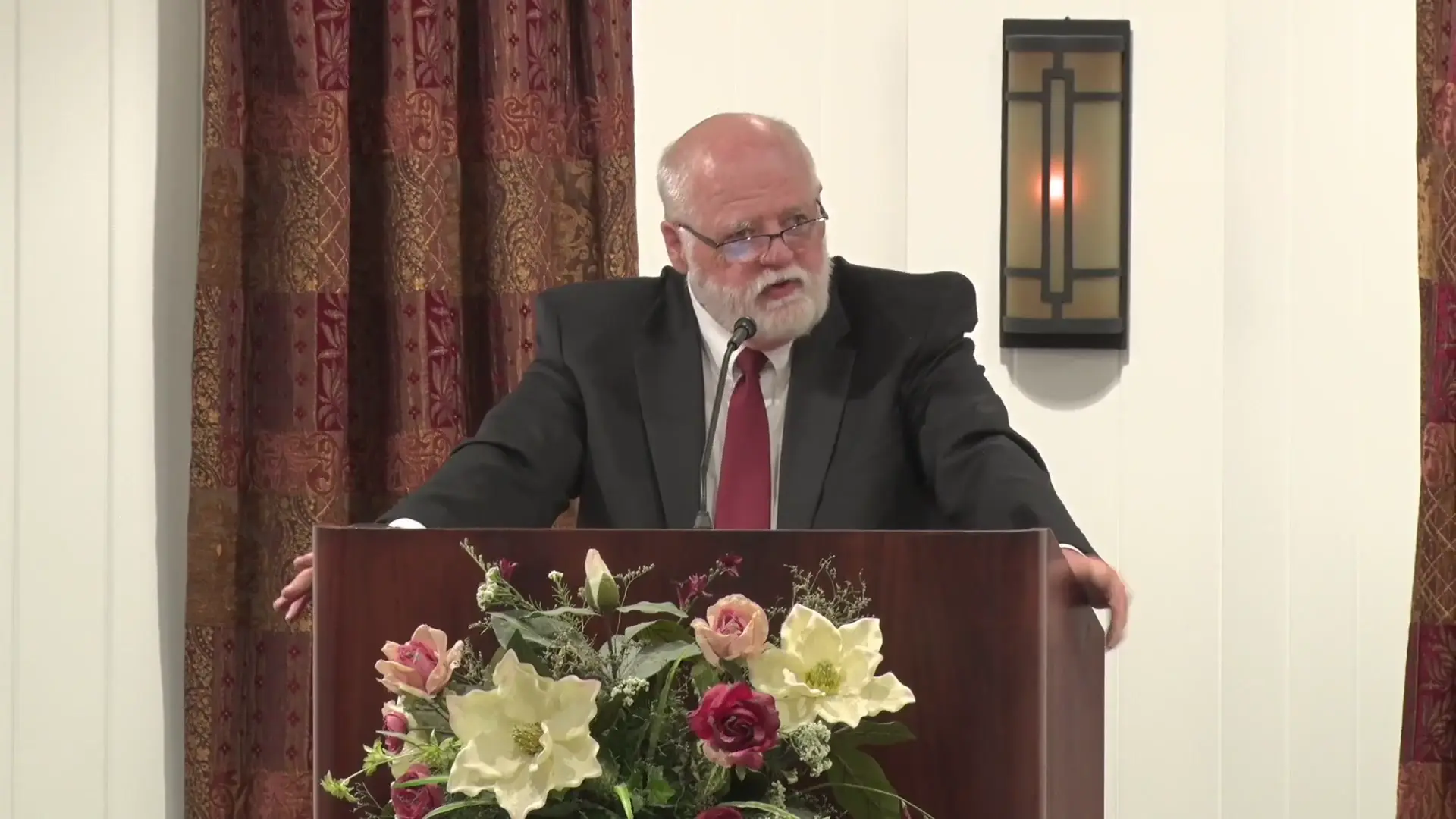
Sermon by Ted E. BowlingPatience, longsuffering, and endurance reflect God's character and are essential qualities of Christian living. Rooted in love and produced by God's Spirit, they enable believers to respond to delays, difficulties, and the faults of others with grace while remaining faithful through adversity. Scripture shows that trials test faith, develop perseverance, shape character, and strengthen hope. The examples of Joseph, Hannah, David, Peter, and others demonstrate how God can use prolonged hardship to accomplish His purposes, often providing what we need rather than what we desire. Like the injured marathon runner who refused to quit because he was sent to finish the race, Christians are called to persevere. Hebrews 12:1-2 points to Jesus as the ultimate example, encouraging believers to run their race with endurance, trusting God's presence and faithfulness until they reach the finish line.
Christ, Our Hero
Sermonette by Hunter D. SwansonJacob Collier defines a hero as a person who reveals to us the things that are possible for us to accomplish, including enduring the most difficult hardships.
Make This the Best Feast Yet
Sermonette by Hunter D. SwansonWe need to strive to have the 'best Feast ever' attitude as we approach the Feast. The quality of the Feast increases as we serve others.
Hope in a Turbulent World
Sermon by John W. Ritenbaugh (1932-2023)Greek and Roman myths have shaped the world view of Western culture, including our attitude toward hope, a concept which is often abused and distorted.

We Are Saved in This Hope
Sermon by Martin G. CollinsThe Scriptures assure us that by combining God's redemptive acts from the past, we are to have an ardent hope in the future, anticipating eternal life.
Thoughts on Job
Sermonette by Austin Del CastilloJob's righteousness, though genuine, may have rested more on exceptional personal discipline than on a full understanding of God and His purpose.
Count It ALL Joy
Sermonette by Ronny H. GrahamNot all of God's instructions are easy to follow. Maintaining a joyful attitude during difficult circumstances is among the most challenging commands we are given.
Testing Spiritual Character
Sermon by Martin G. CollinsAn outward trial can be a catalyst for character development. By testing ourselves, we can take the edge off the pressure of God testing us.
Why Are We Afflicted?
Sermon by Martin G. CollinsAffliction is a necessary aspect of life, yielding strength of character, while ease and comfort weaken us. Christ was perfected as High Priest through suffering.
The Beatitudes, Part 8: Blessed Are the Persecuted
'Personal' from John W. RitenbaughPersecution is a fact of life for a Christian. Jesus Christ says we are blessed if we are persecuted for righteousness' sake — here's why.

Ecclesiastes and Christian Living (Part Three): Time
'Personal' from John W. RitenbaughSolomon reveals that God is solidly in control of time. Knowing that God is sovereign over time should fill us with faith in God's workmanship.
Made His Wonderful Works to Be Remembered (Part Two)
Sermon by Mark SchindlerThose called by God now have a unique privilege and responsibility to live in God's truth, distinguishing them from those who have hope but lack understanding.
A Merry Heart
Sermonette by Ted E. BowlingDespite all the tinsel and glitz, the Christmas season brings a great deal of stress. Knowing God and knowing the will of God brings about contentment.
Sovereignty and Its Fruit: Part Ten
'Personal' from John W. RitenbaughOnce we accept God's sovereignty, it begins to produce certain virtues in us. Here are four of these byproducts of total submission to God.
Be Thankful!
Sermon by John O. ReidThe danger of abundant blessings is that we tend to forget the source of the blessings and cease being thankful. When we forget to be thankful, we forget God.

What Should We Do While Waiting for Christ's Return?
Sermon by Richard T. RitenbaughThough Scripture does not reveal the day or hour of Christ's return, it clearly teaches how believers should prepare. Here are ten ways.
Confidence
Sermon by James BeaubelleIn the journey of faith, we are called to face various trials with a heart of joy, as the apostle James instructs in chapter 1, verses 2 through 4, to count it all joy when we fall into diverse trials, knowing that the testing of our faith produces patience. This patience, when allowed to have its perfect work, leads us to become perfect and complete, lacking nothing. Reflecting on past trials, we can see how enduring them with God's help has strengthened our faith, resulting in a joyful outcome as we continue to pursue His will. Moreover, the testing of faith is evident in the lives of God's faithful servants, such as Abraham, who faced a profound trial when instructed to sacrifice his only son Isaac, as recorded in Genesis 22. Through this severe test, God confirmed Abraham's fear and obedience, declaring in verse 12, "Now I know that you fear God, since you have not withheld your son, your only son from Me." This act of obedience solidified God's confidence in Abraham, leading to promises and blessings for him and his descendants. Similarly, the unwavering faith of Daniel's three companions—Hananiah, Mishael, and Azariah—demonstrates confidence in God's providential care amidst trials, as seen in Daniel chapter 3. Facing the fiery furnace for refusing to worship King Nebuchadnezzar's golden image, they boldly declared in verses 16 through 18 that they served only one God, trusting in His decision over their fate. Their united stand before governmental power showcased a powerful lesson of faith and confidence in God. God's promises further bolster our confidence during trials, as Paul assures in I Corinthians 10:13 that no trial overtakes us beyond what we can bear, for God is faithful and provides a way of escape to endure it. This assurance, coupled with the call in Hebrews 4:16 to come boldly to the throne of grace, encourages us to seek mercy and find grace in times of need with unwavering confidence in His care and affection for us.
Limiting the Holy One of Israel (Part One)
Sermon by Martin G. CollinsGod has self-imposed limitations when we go against His commands, testing His patience, purposely limiting Him by our faithlessness, robbing ourselves of blessings.
James and Unleavened Bread (Part One)
Sermon by Richard T. RitenbaughThe book of James applies to us after the sanctification process has begun. The most effective way of eliminating sin is to do righteousness.
'Follow Me'
Sermonette by Hunter D. SwansonThe death of a loved one can be one of the most transformative experiences of life because of how profoundly it reveals God's presence, comfort and purpose.
Our Part in the Sanctification Process (Part Five): Cultivating Patience
Sermon by David F. MaasNumerous scriptures show the bad effects of impatience committed by ancient Israel, while the patriarchs, Jesus Christ, and the Father set examples of true patience.
Endurance
Sermonette by Ronny H. GrahamAs we approach the time of Christ's return, persecution will become increasingly intense, coming from places we least expect it. We must learn endurance.
Facing Times of Stress: Contentment
Sermon by Martin G. CollinsIf we trust God, we do not have to worry about the future. Having abundance and having need both have their unique problems and difficulties.
Persistence
Sermon by John O. ReidPersistence is impossible without a transcendent and ardent vision, which prevents us from casting off restraint and gives us the will to keep on.
Thankfulness (1986)
Sermon/Bible Study by John W. RitenbaughWe need to give thanks for everything, blessings and trials. Christianity ought to be an exhilarating experience, but it depends on our outlook on life.