


Filter by Categories
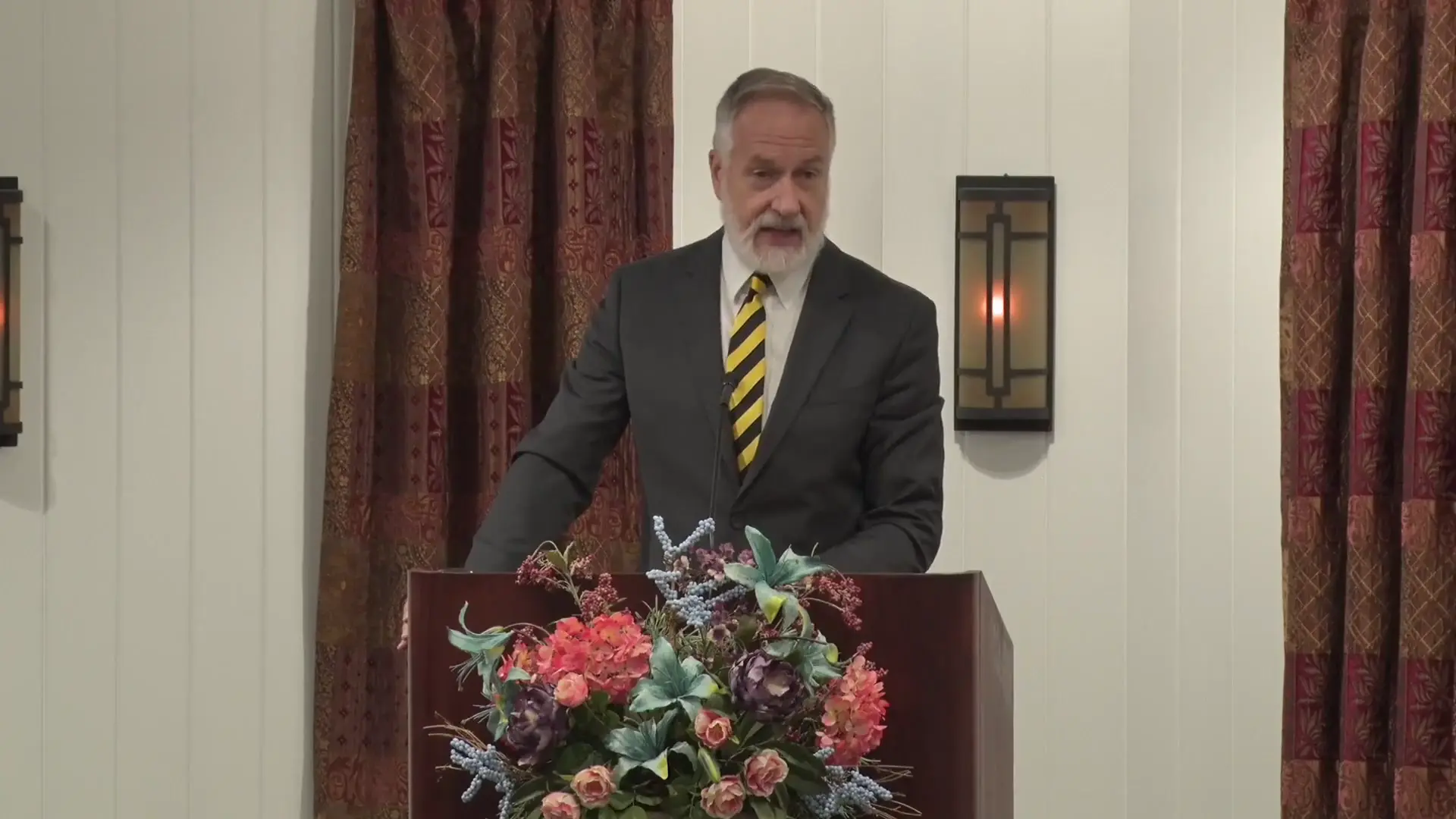
Debased Sodom
Sermon by James C. StoertzSodom serves as a biblical type of the world marked by godlessness, oppression, sexual deviance, and impending judgment. Its core problem lay in a debased mind, warped by sin to the point of incapacity for reasonable self-reflection. This condition arose from rejection of God despite clear revelation in creation, which produced idolatry, dishonoring of the body through lust, sexual perversion, and finally divine handing over to the debased state described in Romans 1. The resulting attributes included unrighteousness, sexual immorality, covetousness, malice, envy, murder, strife, deceit, pride, disobedience, and mercilessness, along with approval of such practices. Ezekiel 16 identifies Sodom's specific iniquities as pride, fullness of food, abundance of idleness, failure to aid the poor and needy, haughtiness, and abomination. These traits echo pre-Flood humanity and persisted after the Flood in Canaanite territory that included Sodom. The city's wealth from fertile land, salt, and asphalt trade fostered excess and moral decline, rendering its people a melting pot of blended cultures at trade crossroads. The narrative presents Sodom as a cautionary parallel to the modern Western world, where similar pride, abundance, idleness, covetousness, neglect of the needy, and exaltation of vileness prevail. Leaders lack morality, churches compromise for gain, and society mirrors the same rejection of God that leads to a debased condition. Lot appears comparatively righteous beside Sodom, yet his lingering attachment to the city and his wife's backward glance illustrate the danger of putting down roots in such a world. The account therefore functions as both warning and call to come out before judgment falls.
Leaving Sodom
Sermon by Richard T. RitenbaughSodom serves as a striking representation of the world, embodying its pervasive corruption and allure. The inhabitants of Sodom, known as Sodomites, were marked by violent homosexuality, but their sins extended far beyond this. They were exceedingly wealthy, living in a paradise-like region described as the garden of God, with fertile land and abundant water in the plain of Jordan. Their society thrived as a breadbasket, producing surplus food for export, and they were industrious as merchants, growers, and builders, amassing wealth through trade routes. Yet, this prosperity bred idleness, pride, self-indulgence, and uncharitableness, as they hoarded their riches and supported evildoers for personal gain. Scripture reveals that the Sodomites were so self-absorbed that they failed to recognize the impending judgment on their civilization. They could not perceive the deterioration of their society, and even if they glimpsed it, they saw only opportunities for personal advantage. This blindness mirrors the spiritual state of the world, deceived and blinded by satan, the god of this world, whose influence permeates every corner of the earth. There is no place free from his deceptive broadcast of evil attitudes, which all have imbibed to some degree. God commands His people to flee from this worldly Sodom, to forsake the entity of Babylon, which represents the sins and corruptions of the world. Though physically escaping the world is impossible in this life, as even solitude cannot rid one of internal worldliness, a spiritual separation is mandated. Jesus Christ Himself confirms that while His followers are not of the world, having been translated into the Kingdom of God, they remain physically within it. He prays not for their removal from the world but for their protection from the evil one, indicating that they must live amidst Sodom while being sanctified by God's truth. This paradox challenges believers to forsake the world spiritually while still residing in it, changing behaviors and attitudes to reflect God's will. They must cease running with worldly companions, abandon sinful practices, and put on spiritual attributes that mirror Christ's character, such as tender mercies, forgiveness, love, and peace. This transformation, though difficult, marks them as lights in a dark world, conspicuous yet called to separate from its ways. God desires this forsaking of the world to occur in the midst of daily life, interacting with its ugliness while maintaining a distinct identity as citizens of His Kingdom, thus serving as witnesses to His way.
Life in Sodom
Sermon by Richard T. RitenbaughSodom serves as a vivid representation of the world in its corruption and distraction, mirroring the societal decay that Jesus Christ warns about in relation to the end times. In Luke 17, Jesus describes the days of Lot in Sodom, highlighting a society engrossed in buying, selling, planting, and building. These activities reflect an industrious people focused on material gain and wealth accumulation, yet completely distracted from spiritual truths and pursuits that could have made them aware of impending judgment. This busyness, akin to the scurrying to and fro and increase in knowledge described in Daniel 12:4, underscores a culture that prioritizes worldly success over divine awareness. The depiction of Sodom in Genesis 13 and 14 reveals a land of immense fertility and wealth, a breadbasket that attracted conflict and desire due to its prime territory and control over trade routes. This prosperity fostered a society of abundance, as seen in Ezekiel 16, where Sodom is characterized by pride, fullness of food, abundance of idleness, and a failure to help the poor and needy. Such conditions led to vanity, self-centeredness, and a lack of compassion, with the people indulging in worthless pursuits and sinful pleasures due to their wealth and spare time. Genesis 18 and 19 further paint Sodom as a place of notorious perversion, with a great outcry against its grievous sins, not only offending God but also becoming an abomination to many people. The sins were abundant and heinous, causing pain and misery, and reflecting a society that had crossed significant moral boundaries. Jude 7 and Ezekiel 16 expand on this, noting Sodom's sexual immorality, deception as a way of life, and support for evildoers over the righteous, confirming that sin was the path to advancement in such a world. Jesus uses Sodom as a cautionary example, urging vigilance and comparison between current societal conditions and those of Lot's time. The distraction and spiritual apathy of Sodom parallel the dangers of becoming ensnared by worldly pursuits, risking unexpected judgment. As Paul advises in Titus 2, the call is to live soberly and righteously amidst a world resembling Sodom, while watching in hope for the glorious appearing of Jesus Christ.
Amos 5 and the Feast
Sermon by John W. Ritenbaugh (1932-2023)Sodom serves as a type of the world, illustrating a profound spiritual lesson. God identifies Jerusalem as Sodom in Revelation, highlighting the corrupt character of its people. This comparison underscores a society steeped in sin, much like the world at large, where even the observance of feasts and rituals fails to align with God's intent. The people's manner of keeping these appointed times is abominable to Him, bearing no resemblance to His purpose. Their offerings, meant to be spiritual acts of worship, are deemed vain and useless, trampling His courts. Their prayers, arising from impure hearts, are an abomination, and their conduct wearies God. This reflects a broader warning that it is possible to engage in religious practices, even enjoying them, yet remain out of harmony with God's desires, mirroring the spiritual state of the world typified by Sodom.
A Pillar of Salt
Sermonette by Joseph B. BaityWe have a mandate to flee idolatry and the contagion of worldliness. If we seek to save our lives by embracing worldliness, we will lose our lives.

Looking Back
Sermon by Ryan McClureSodom serves as a profound type of the world, illustrating the urgent call of God to separate from sin and the peril of lingering attachment to a corrupt environment. Just as Sodom and Gomorrah were steeped in sin, so too is the world in these times, mirroring the conditions that will prevail at the end, as God has warned. When He called Lot and his family out of Sodom, He provided clear instructions to flee and not look back, emphasizing the necessity of immediate obedience to escape destruction. Lot's wife, however, looked back, possibly longing for what she was leaving behind, and in that moment, she was turned into a pillar of salt, becoming a lasting example of the consequences of clinging to a sinful past. This example parallels the broader call of God to His people to come out of Babylon, to abandon the ways of a world destined for judgment. The urgency seen in the angels' command to Lot to hurry mirrors the pressing need for us to act decisively when God calls us out of sin. As with Sodom, the sins of the world have reached to heaven, and God implores us to flee lest we share in the impending punishment. The lesson is clear: we must not be so attached to our comfortable lives that we hesitate or look back when it is time to move toward the safety and promise of God's Kingdom. Lot's wife's action stands as a warning for all, highlighting the danger of being stuck between the familiarity of sin and the safety that lies ahead in following God's direction. Her example, emphasized by Jesus Christ when He said, "Remember Lot's wife," underscores that once we commit to God's way, our focus must remain forward, undeterred by the pull of what we leave behind. God is calling us out of this world, out of Sodom, out of Babylon, to be part of His Family, and we must respond with faith and intentionality, pressing forward without looking back.
Abraham (Part Nine)
Sermon/Bible Study by John W. RitenbaughIn the narrative of Abraham and Lot, Sodom emerges as a powerful symbol of the world, embodying the dangers of entanglement with its ways. Sodom and Gomorrah stand as a permanent memorial to the children of Abraham, serving as a stark warning of the fate that befalls the ungodly. God's revelation to Abraham about the impending judgment on these cities carries a veiled admonition, urging Abraham and his descendants to teach and follow God's path, lest they end up like Sodom and Gomorrah, failing to become the great nation promised by God. Lot, though described as a righteous man, exemplifies the peril of a divided heart, choosing to live amidst Sodom's corruption while being vexed by its wickedness. His decision to settle in the plains near Sodom, reminiscent of Egypt, reveals a reluctance to fully separate from worldly influences, unlike Abraham, who demonstrates a wholehearted dedication to God. Lot's attempt to blend God's way with the world's, through preaching or scolding while remaining in Sodom, ultimately proves futile, illustrating that one cannot serve two masters or mesh opposing ways of life without consequence.
What's So Bad About Babylon? (2003) (Part 1)
Feast of Tabernacles Sermon by John W. RitenbaughThe world's political, religious, economic, and cultural systems pose a danger to God's people, but God wants us to work out His plan within the Babylonian system.
Faith (Part Three)
Sermon by John W. RitenbaughFar from being blind, faith is based on analyzing, comparing, adding up from evidence in God's Word, our own experience, and our calling by God's Holy Spirit.
Abraham (Part Six)
Sermon/Bible Study by John W. RitenbaughAbraham was willing to lay down his life to rescue his nephew Lot. His sacrifice shows us what kind of effort and sacrifice is needed to wage spiritual war.
The Two Witnesses (Part Seven)
Sermon by Richard T. RitenbaughChrist's Two Witnesses will accomplished their work before the Beast kills them. Humanity will feel relief at their death, but stark terror at their resurrection.