


Filter by Categories
Remember Lot's Wife
'Prophecy Watch' by Ted E. BowlingIn the fertile plain of Jordan, Lot chose to settle near Sodom after separating from his uncle Abraham, despite knowing the men of Sodom were exceedingly wicked and sinful against the LORD. Years later, when God revealed His intention to destroy the cities of the plain due to their grievous sin, Abraham pleaded for Lot and his family, and God agreed to spare Sodom if ten righteous people were found there. Lot, a righteous man, recognized the angels sent by God and offered them hospitality, aware of the dangers strangers faced in Sodom after dark. When the perverted men of the city demanded the angels to molest them, Lot, in a moment of weakness, offered his daughters to appease the mob, but this only incited further violence until the angels intervened by striking the Sodomites with blindness. The angels then urged Lot to flee with his family, warning of the imminent destruction of the city, as the outcry against Sodom had grown great before the LORD. Despite Lot's efforts, his sons-in-law dismissed the warning as a jest and refused to leave. Lot himself hesitated to grasp the urgency, requiring the angels to physically pull him, his wife, and two daughters out of the city. Still reluctant, Lot persuaded the angels to let them flee to Zoar instead of the mountains, fearing some evil would befall him. The angels commanded him not to look back and not to stay in the plain. Upon reaching Zoar, the LORD rained brimstone and fire on Sodom and Gomorrah, destroying all the cities of the plain except Zoar. However, Lot's wife disobeyed the angel's command by looking back as she fled, and she became a pillar of salt. Lot had more than two daughters, including married ones who perished in Sodom along with their families, adding to the tragic weight of their flight.
Remember Lot's Wife
Sermonette by Mike FordIn the days of Lot, as recorded in Luke 17:28-32, life in Sodom continued with eating, drinking, buying, selling, planting, and building, until the day Lot left the city. On that day, fire and brimstone rained from heaven, destroying all. The warning is clear: in the day when the Son of Man is revealed, one must not turn back for possessions, just as Lot was commanded to forsake Sodom completely, for to stay was to die. Remember Lot's wife, who looked back, her heart still tied to the city, and became a pillar of salt as a lasting symbol of unwillingness to leave sin behind. Turning to Genesis 19, Lot welcomed angels into his home, preparing a feast with unleavened bread. The angels urged him to take his family and leave, commanding him not to look back. Yet, Lot lingered, perhaps hoping to save the people of Sodom where he had deep roots, having married a local woman and raised his children there. His wife, however, was loath to depart, her heart bound to her possessions or the life she knew, and she suffered the consequence of her reluctance as brimstone and fire destroyed the cities. In Genesis 13, Lot chose the well-watered plain of Jordan, described as like the garden of the Lord, pitching his tent toward Sodom. Over time, he moved into the city, becoming deeply involved, possibly as a magistrate or mayor. This immersion in a sinful environment vexed his righteous soul, as noted in II Peter 2:7-8, where he is described as a righteous man tormented by the wicked conduct around him. Despite his goodness, living so entangled with the world allowed sin to filter into his life. The lesson remains potent: like Lot, we must utterly forsake the sins of this world to escape the coming plagues. Lot's wife physically left Sodom but her heart did not, rendering her unfit for the kingdom of God, as Jesus warns in Luke 9:62. We are called to look ahead, not back, pressing toward the goal of God's upward call in Christ Jesus, as urged in Philippians 3:13-14.
A "Lot" of Credibility
Sermonette byWe need to resist the lure of the world to pitch our tent toward Sodom as Lot did. Love for the world's ways constitutes enmity for God and His law.

Righteous Lot?
Sermon by Bill OnisickLot's life offers a profound lesson in the complexities of righteousness. Initially, he made a grave error by separating from Abraham and pitching his tent near Sodom, a city of exceedingly wicked and sinful men, as described in Genesis 13:13. Though he first lived outside the city, Lot eventually settled within Sodom, where he and his wife likely raised their children. The men of Sodom later accused him of acting as a judge among them, revealing his attempts to influence their behavior. In Genesis 19:4-9, the depravity of Sodom became evident when the men of the city, young and old, surrounded Lot's house, demanding the two visiting angels in the form of men. Lot pleaded with them not to act wickedly, and in a troubling compromise, offered his two daughters to protect the angels. The men rejected his plea, threatened him, and nearly broke down his door. The angels intervened, pulling Lot to safety and blinding the attackers. They urged him to flee with his family, but Lot delayed, requiring the angels to forcibly lead him, his wife, and daughters out of the city. Tragically, his wife lagged behind and became a pillar of salt as the cities were destroyed, while Lot and his daughters narrowly escaped. Genesis 19:29 notes that God remembered Abraham and sent Lot out of the overthrow, sparing him from destruction. Later, in Genesis 19:30-38, a disturbing account unfolds as Lot's daughters, in desperation, overserved him wine, leading to incestuous conception. Despite these grave missteps, II Peter 2:7-8 declares that God delivered righteous Lot, who was oppressed by the filthy conduct of the wicked. Dwelling among them, Lot tormented his righteous soul daily by witnessing their lawless deeds, as described with the Greek adjective dikaios (Strong's 1342), meaning righteous, used to characterize both Lot and God Himself. Lot recognized his unworthiness of God's mercy, stating in Genesis 19:19 that he found favor in God's sight and received increased mercy by being saved. His story reveals that, despite severe mistakes, God deemed him righteous, not by human judgment, but by divine insight into his heart, affirming that only God can truly judge righteousness.
How Expensive Is Your Religion? (Part Three)
CGG Weekly by Mike FordChristianity is not for the faint of heart. Jesus urges us to count the cost of discipleship. Many of the patriarchs had to make hard choices, as do we.
A Pillar of Salt
Sermonette by Joseph B. BaityWe have a mandate to flee idolatry and the contagion of worldliness. If we seek to save our lives by embracing worldliness, we will lose our lives.

Our Spiritual Climb
Sermon by Bill OnisickOur journey to the Kingdom of God is not easy, requiring the same kind of physical and mental stamina that climbers need to climb Mount Everest.
Debased Sodom
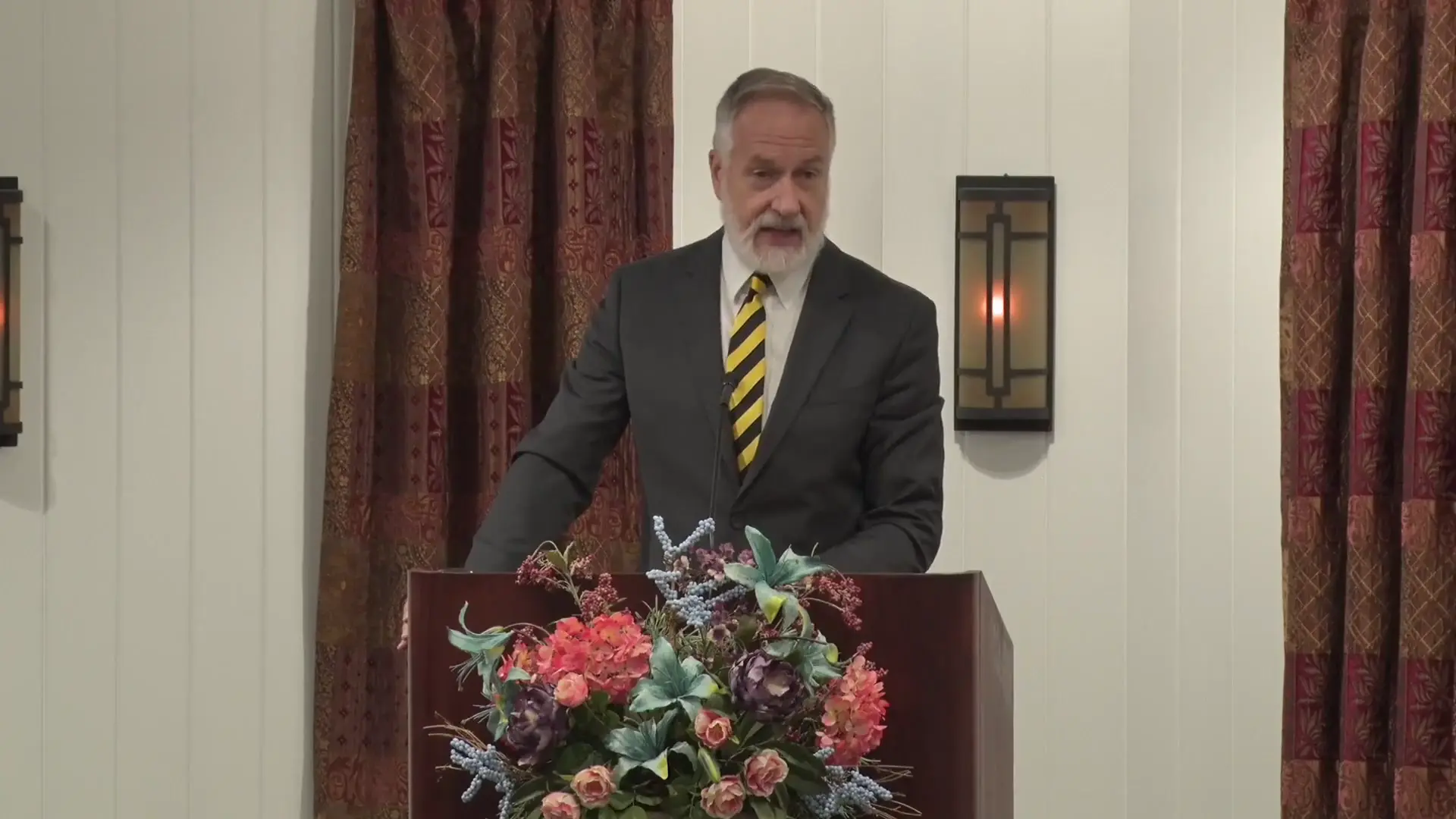
Sermon by James C. StoertzLot lived as Abraham's nephew and initially benefited from proximity to righteousness, having overlapped with the righteous Shem for possibly a century and knowing the truth. When conflict arose over grazing lands, he chose the fertile Valley of Siddim based solely on sight and gradually moved from the outskirts of Sodom to a position inside its gates. There he sat at the city entrance when two angels arrived, recognized their holiness, and urgently hosted them in his home. As the men of Sodom surrounded the house and seized Lot himself, the angels struck the crowd with blindness and commanded his immediate departure without looking back. Lot lingered despite the warning, reluctantly reached Zoar, and later fled to a mountain cave where his wife became a pillar of salt after glancing backward and his daughters later conceived sons through him while he was intoxicated. The material presents these events as evidence of a life marked by deepening entanglement with a debased culture, diminished respect from neighbors and family, and failure to intercede for the city, yet divine deliverance occurred solely through Abraham's earlier plea. Lot is identified as more righteous than Sodom and is called righteous three times in II Peter 2, illustrating how one who knew the truth could still drift into compromise. His trajectory serves the broader message by demonstrating the slippery slope from exposure to righteousness into a debased condition, the danger of putting down roots in a society operating without God, and the personal warning against lingering or looking back when deliverance is offered.
Abraham (Part Nine)
Sermon/Bible Study by John W. RitenbaughGod helps us to overcome our problems in an unraveling process, sometimes taking us back through the consequences of the bad habits we have accumulated.
How Expensive is Your Religion?
Feast of Tabernacles Sermon by Mike Fordwe must soberly count the cost before we embark on our spiritual trek. Are we willing to give up our job, our family, or even our life to follow God's plan?
Abraham (Part Ten)
Sermon/Bible Study by John W. RitenbaughLot equivocated with God's instructions, looking for escape clauses, showing him to be self-centered and worldly wise, compromised by the values of the world.
Life in Sodom
Sermon by Richard T. RitenbaughSodomites were industrious people, but they cared nothing for God, mirroring the worst aspects of modern Israel. We need to make sure that we live soberly.
Check Your Culture
Commentary by Richard T. RitenbaughGod's people living in America must prioritize God's Commandments over the U.S. Constitution and over American culture. We have a heavenly citizenship.
Leaving Sodom
Sermon by Richard T. RitenbaughAmerica resembles the days of Lot and the culture of Sodom. The days of Lot were also productive and wealthy, leading to an excess of idle time.
Faith (Part Four)
Sermon by John W. RitenbaughThe example of Lot's wife teaches us that God does not want us to maintain close associations with the world because it almost inevitably leads to compromise.
America's Conscience Seared with a Hot Iron
Commentary by David F. Maas'Righteous' Lot represents those who become accustomed to the sin around them, progressively searing their consciences, similar to spiritual neuropathy.
Deceived by His Eyes
Sermonette by John W. RitenbaughAbram learned that God gives material prosperity to those who are not seeking it. Those who seek riches are destined to fall into a snare.
A Place of Safety? (Part 2)
Sermon by John W. RitenbaughMany biblical examples, including Jesus, David, and Jacob, all fled for their lives in a prudent common sense move. Discretion is often the best part of valor.
It Was Bound to Happen
Commentary by John W. Ritenbaugh (1932-2023)Acceptance of transgenderism has created a malignant character defect in our culture, which is now accepting sin as a norm, calling evil good and good evil.
Corinthian Parallels to Sodom
Sermon by Richard T. RitenbaughI Corinthians is a practical manual for surviving in a Sodom-like culture, guarding against the corrosive aspects of our perverted culture and its excesses.
Abraham (Part Five)
Sermon/Bible Study by John W. RitenbaughWe learn from Abraham's experience to trust God even when we have incomplete information. When we attempt to take the expedient way out, we will run into trouble.
Habakkuk: A Prophet of Faith (Part Two)
Sermon by Martin G. CollinsAll of God's people should be watchmen like Habakkuk, living continually by faith, discerning, listening to, and responding to God's instructions.
Building Relationships
Sermonette byThe Scriptures provide many examples of how difficult relationships were dealt with by humility, deference, longsuffering, and prayer.
Faith (Part Three)
Sermon by John W. RitenbaughFar from being blind, faith is based on analyzing, comparing, adding up from evidence in God's Word, our own experience, and our calling by God's Holy Spirit.
Abraham (Part Three)
Sermon/Bible Study by John W. RitenbaughAbraham did not come from a primitive, but a highly advanced civilization, having huge multi-storied dwellings with running water and indoor bathrooms.