


Filter by Categories
Overcoming the Leaven of Fear
Sermonette by David F. MaasGod's people should not allow their hearts to be troubled, thereby permitting a cringing cowardice to destroy them. Leaven is an apt metaphor to describe fear.
What Do You Fear? (Part Three)
CGG Weekly by David C. GrabbeIn the battle against irrational fear, love emerges as a powerful antidote, as highlighted in II Timothy 1:7, where God grants us a spirit not of fear, but of power, love, and a sound mind. I John 4:18 further emphasizes this truth, declaring that there is no fear in love; perfect love casts out fear, for fear involves torment, and he who fears has not been made perfect in love. This process of casting out fear is not instantaneous but develops over time, much like sanctification and character growth. Perfect love originates from God Himself, the source of all true love, and grows within us as we deepen our relationship with Him through prayer, study of His Word, and shared life experiences. As we receive His love, poured into our hearts through His Spirit as noted in Romans 5:5, it begins as incomplete but matures through continual communion with Him. This growing love, combined with an increasing faith in God's character, leaves no room for irrational fears, displacing self-centeredness and allowing us to serve Him and others through the power of His Spirit.
Facing Times of Stress: Fear of the Future
Sermon by Martin G. CollinsPaul's admonition to Timothy to stir up God's Holy Spirit applies just as much today when we sometimes become blindsided by fears about the future.
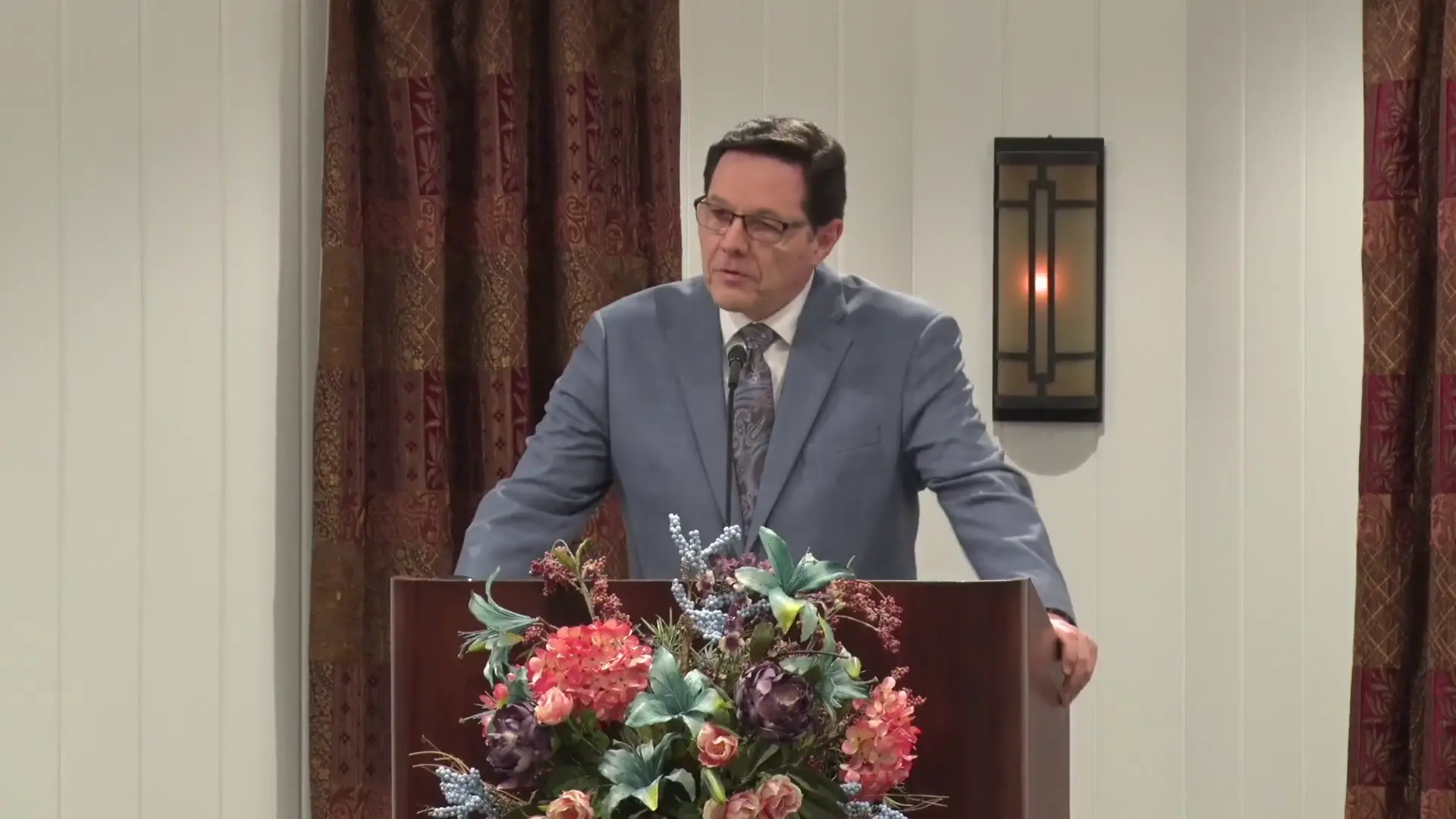
How Fear Resists Faith
Sermon by Martin G. CollinsFear arises from self-absorption, self-concern, and self-protection. These attitudes represent non-love for others and place personal interests above all else. The spirit of love counters this condition by shifting focus away from self. Absorption in love for God, who provides redemption despite human unworthiness, eliminates self-interest and the anxiety that follows. Love for the brethren directs attention to the needs and concerns of others. This redirection frees a person from fear of loss in time, resources, or dignity when serving or obeying God. True Christian love, energized by the Spirit, enables sacrifice for others without dread of suffering or persecution. The result is courage to endure trials while advancing the work of God.

The Sin of Fear (Part Two)
'Ready Answer' by Pat HigginsFear and unbelief are sins that have many destructive effects. Unbelief is the source of fear. God commands His people not to fear because He is with them and will help them wherever they go. Fear calls God a liar and rejects His promises. A Christian must have fear but it must be the right kind of fear. Human fear is a blessing because it is a natural emotion created by God. The fear of God motivates a person to build an intimate relationship with Him through study, meditation, prayer, and fasting. This relationship increases faith in God, His Word, and His love for us. This faith is the key to conquering the sin of fear.
Faith Over Fear
Sermon by Richard T. RitenbaughFear is the natural human response to trouble, the fight-or-flight reaction that surfaces in crises like the coronavirus pandemic, where panic and hoarding show that people do not expect God to help. Yet God, who never sleeps and knows every detail, has not surrendered control, and He supplies strength to those who wait on Him (Isaiah 40). Believers, called to live by faith and not by human nature, can answer fear with trust. Paul in prison models this in Philippians 1 and 4: content whether he lived or died, he was at peace because God was in charge, and he urged being anxious for nothing, bringing every request to God in prayer so that God's peace, which surpasses understanding, guards heart and mind. That response is not merely human but godly, a submission of the human will to the divine will. The foundation is love: because God loves His people and they love Him in return, such love, as I John 4:18 says, casts out fear. Like Israel at the Red Sea, they can move forward in peace and confidence, knowing God has heard them and will act in their best interest. Fear is not eliminated by circumstances improving but displaced by trust in a loving, sovereign God.
No Real Love Without God
Sermon by John O. ReidThe true source of love is God, reflecting His Spirit within us. As we exhibit this love, we more fully take on the nature of our Father. God's love, defined as agape, signifies an affectionate regard, goodwill, and benevolence, embodying His willful direction toward mankind, doing what He knows is best for us, not merely what we desire. This love is evident in His act of giving His Son as a sacrifice, providing a means for justification upon repentance and reconciliation with Him. Love originates from God, and those who reflect it demonstrate they are born of Him. Conversely, hatred, animosity, greed, and wrath stem from another source, the prince of the power of the air. God's love is both individual, shown in sympathy, understanding, kindness, and generosity, and vast in scale, aiming to elevate mankind to participate in His Kingdom. The highest expression of this love is seen in sending His Son to pay for our sins, loving us even when we were ignorant of His way and opposed to it. We perceive God's love because He laid down His life for us, and in like manner, we ought to lay down our lives for the brethren. If we love others as God loves us, His love is perfected in us, and we grow in applying it toward others, moving toward perfection. This love, when actively used in relationships, completes us and aligns us with His nature, allowing us to stand boldly before Him. Perfect love casts out fear, and as we strive to love as the Father and the Son do, we work to mirror Their love for our fellow man. John emphasizes that we love Him because He first loved us, reminding us that this love is not ours but God's love within us. True love for God produces a desire to live His way, reflected in obedience to His commandments, which train us to become like Him. If true love exists in the heart, it will manifest in our way of living, showing that we belong to Him. Above all, we are to put on godly love, forgiving others as Christ forgave us, uniting all aspects of God's calling and opening His mind for us to emulate.
Love's Emotional Dimension
Sermon by John W. RitenbaughLove doesn't become 'love' until we act. If we don't do what is right, the right feeling will never be formed; emotions are largely developed by our experiences.
Love's Greatest Challenges
Sermon by John W. RitenbaughAn irrational fear of loss prevents the development of agape love — we fear that keeping God's commandments will cause us to lose something valuable.
The Love of Christ
Sermon by Martin G. CollinsOnly with the help of God's Holy Spirit are we able to fathom the dimensions of width, breadth, length, and depth of Jesus Christ's and the Father's love.
Overcoming Troubled Hearts (Part Two)
CGG Weekly by Clyde FinkleaWe cannot allow our troubled hearts to lead us away from God and His purpose for us. Two vital elements will deliver us from destructive fear and unbelief.
Courage and Faith
Sermonette by Clyde FinkleaFear of man keeps us from resisting the current of the world, leading us off the path of God because of the overwhelming pressure to not be different from the crowd.
The Agape Evolution
Sermonette byIn one context, evolution is absolutely real:the transition of one of God's called-out ones from a state of fear to a state of transcendental agape love.
No Failsafe Needed
Sermon by Mark SchindlerThe free-will God has allowed mankind has led to some tragic consequences or disruptions, but none of these are outside of His control.
Faith—What Is It?
'Ready Answer' by Pat HigginsFaith is simple in concept; it is believing what God says. Yet it is difficult to display in our lives, and it is often tested. Here is some evidence of faith.
Faith to Face Our Trials
'Ready Answer' by Pat HigginsLife seems to be one trial after another. However, God has revealed an astounding facet of God's love that should give us the faith to soldier on.
Standing Up for God
Article by StaffStanding up against the majority is never easy, but as Christians, we have been called to do just that. We need to grow in courage until we are bold as a lion.
The Spirit of Bondage
Sermon by Martin G. CollinsGod did not give us a spirit of fear or bondage. Faith is the antidote to a spirit of slavish cowardice and timidity, the opposite of boldness from the Holy Spirit.

Sharing Our Lives at the Feast
Article by Mark SchindlerThe Feast of Tabernacles is a wonderful gift God has given us to spend time with each other, really sharing of ourselves. Here is how this can be done.
Does Doctrine Really Matter? (Part Four)
Sermon by John W. RitenbaughEven with Christ's sacrifice, God does not owe us salvation. We are called to walk, actively putting to death our carnal natures, resisting the complacency.
John (Part Eighteen)
Sermon/Bible Study by John W. RitenbaughTrust in God's ability to resurrect can neutralize the most basic debilitating fear—the fear of death. Christ assures us that death is not the end.
Church Unity Despite the Spirit of the World
Sermon by Martin G. CollinsThe unity of God's church does not derive from organizational expertise, the conformity of ecumenism, or the tolerance for evil, but from the family model.
Are We Ready To Enter The Promised Land?
Feast of Tabernacles Sermon by Richard T. RitenbaughWe may not be troubled by giants or enemy nations, but we have trials of similar magnitude. We dare not behave as the timid spies, but live with boldness.