


Filter by Categories
Are We Mentally Fit?
Commentary by Bill OnisickMental health is the overall state of mind that drives actions, emotions, decisions, self-awareness, and interpersonal relationships. Mental health impacts mood, energy, motivation, and immune system responses. Poor mental health without a positive attitude leads to easier and longer sickness along with physical tiredness and sleep disorders. Physical activity reduces stress, improves sleep, and elevates mood. Sunlight provides vitamin D that elevates mood and mental fitness. Daily gratitude and thankfulness create a positive attitude that supports mental fitness.
Hands That Hang Low
Sermon by Mark SchindlerDepression is a mood disorder characterized by a persistently sad or empty feeling, irritability, and a diminished or absent interest in everyday activities. Depressive moods can range from mild but enduring feelings of sadness to a really profound despair that typically interferes with routine daily functions. About 18 million Americans suffer from periods of clinical depression defined as a sense of sadness noticeable enough to require treatment. Episodes can occur at any age though often they first surface during adolescence. Persistent feelings of sadness or emptiness constitute one key symptom along with a sense of hopelessness worthlessness and guilt. The inability to enjoy ordinary pleasurable activities constitutes another key symptom.
Overcoming Discouragement and Depression
Sermon by Martin G. CollinsMoods of discouragement and depression arise in response to specific losses or adverse events that lead to feelings of hopelessness. A depressive mood can cross the mind for no apparent reason yet stems from mental physical or spiritual causes. Endogenous depressions develop from less distinct sources such as subconscious fears or denied needs that unsettling events now threaten. Susceptibility to frequent discouraged moods often depends on the encouragement values self esteem love or support received in early years or the lack of them. Vulnerability relates to how responses to losses or problems were learned. Certain personalities seem more sensitive to discouraged moods than others. Negative moods and feelings are placed in vulnerable or unsuspecting human minds by evil spirits. These evil spirits implant impulses to want to give up on life in some weakened people. Negative moods ultimately originate with satan who capitalizes on difficult circumstances and broadcasts negative feelings and moods into minds even without an apparent reason. Subtle negative thoughts fill minds with what is lacking leading to depression without realizing why. Lack of positive emotions and attitudes becomes a way of life for masked depressives so that happiness and good feelings perpetually elude them. A mood of discouragement or depression comes on more easily when God is not the center of life.
The Godly Purpose for Music
'Ready Answer' by David F. MaasEven music in religion can be a contentious subject! The Bible shows that music is a blessing from God and an appropriate vehicle for praise and worship.
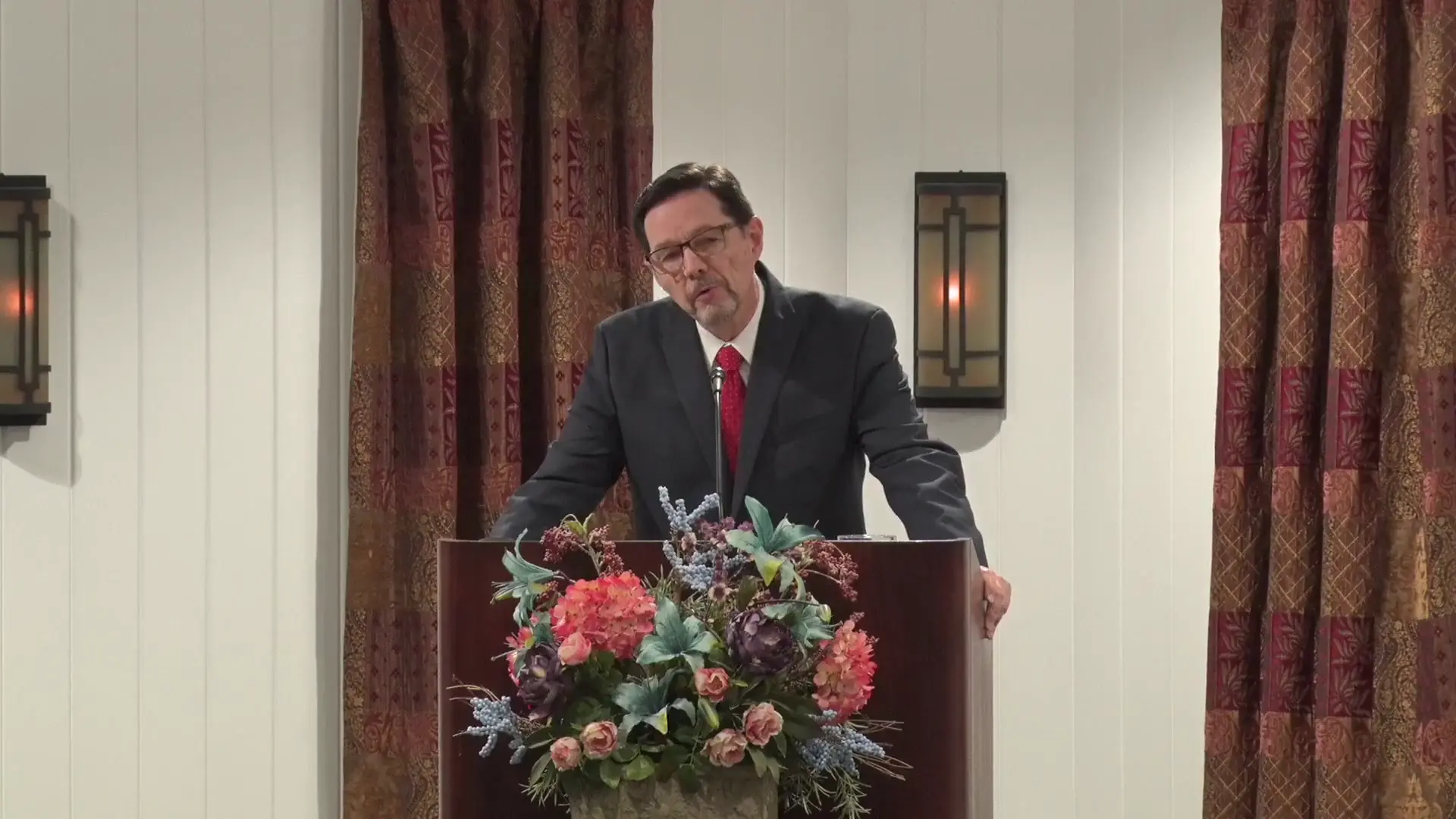
It's Enough! Now, Lord, Take My Life!
Sermon by Martin G. CollinsGreat luminaries of faith all wrestled with devastating despair. We must face depression with honesty, compassion, and unwavering trust in God.

Everlasting Consolation and Good Hope
Sermon by Martin G. CollinsGod's saints are not immune to depression. Job, Moses, and Elijah all felt so overwhelmed, they wanted God to take their lives.
Are Your Feelings Fighting Your Faith?
Sermon by Martin G. CollinsToday's Christianity is more theatrics than theological; feelings have become the replacement for faith, eroding spiritual growth and character.
What You Feel vs. What You Believe
Sermon by Martin G. CollinsFeelings and emotions may throw our faith off course. Our moods are mercurial and we must control them with daily prayer and Bible study.
Stewardship of God's Temple (Part Five)
Sermon by David F. MaasSome have foolishly denigrated the value of physical exercise by taking Paul's admonition to Timothy totally and hopelessly out of context.
What is Acceptable to the Lord
Feast of Tabernacles Sermon by Martin G. CollinsWhile Jesus associated with harlots and publicans, He did not condone their works nor had fellowship with the works of darkness. We must follow His example.
Moral Sympathy and Spiritual Confusion
Sermon by Martin G. CollinsMusic preference is a self-conscious declaration of the community with which people identify. The media has shamelessly pandered to the basest of cravings.
What's Your Attitude?
Sermon by Richard T. RitenbaughThe Scriptures reveal that attitude or disposition constitutes the critical difference between pleasing God and incurring God's wrath.
How Emotions Affect Spiritual Maturity
Sermon by Martin G. CollinsGod displays emotions, but they are always under control, unlike mankind. Using God's Spirit, we can grow into emotional (not emotionless) spiritual maturity.
God's Rest (Part 2)
Sermon by John W. RitenbaughThe two principal robbers of peace are pride and the drive to have complete control of our lives. Discontent and imagined victimization led Adam and Eve into sin.
Iron Sharpens Iron (Part Two)
CGG Weekly by Ryan McClureHow do we 'sharpen' another's countenance? Most importantly, the imagery implies proximity, closeness. Nothing can be sharpened unless there is contact.
Exalt With Music
Feast of Tabernacles Sermon by John W. RitenbaughMusic has an intense power to stimulate the emotions, trigger the imagination, set the mood of services, and serves as a teaching vehicle for instruction.