


Filter by Categories
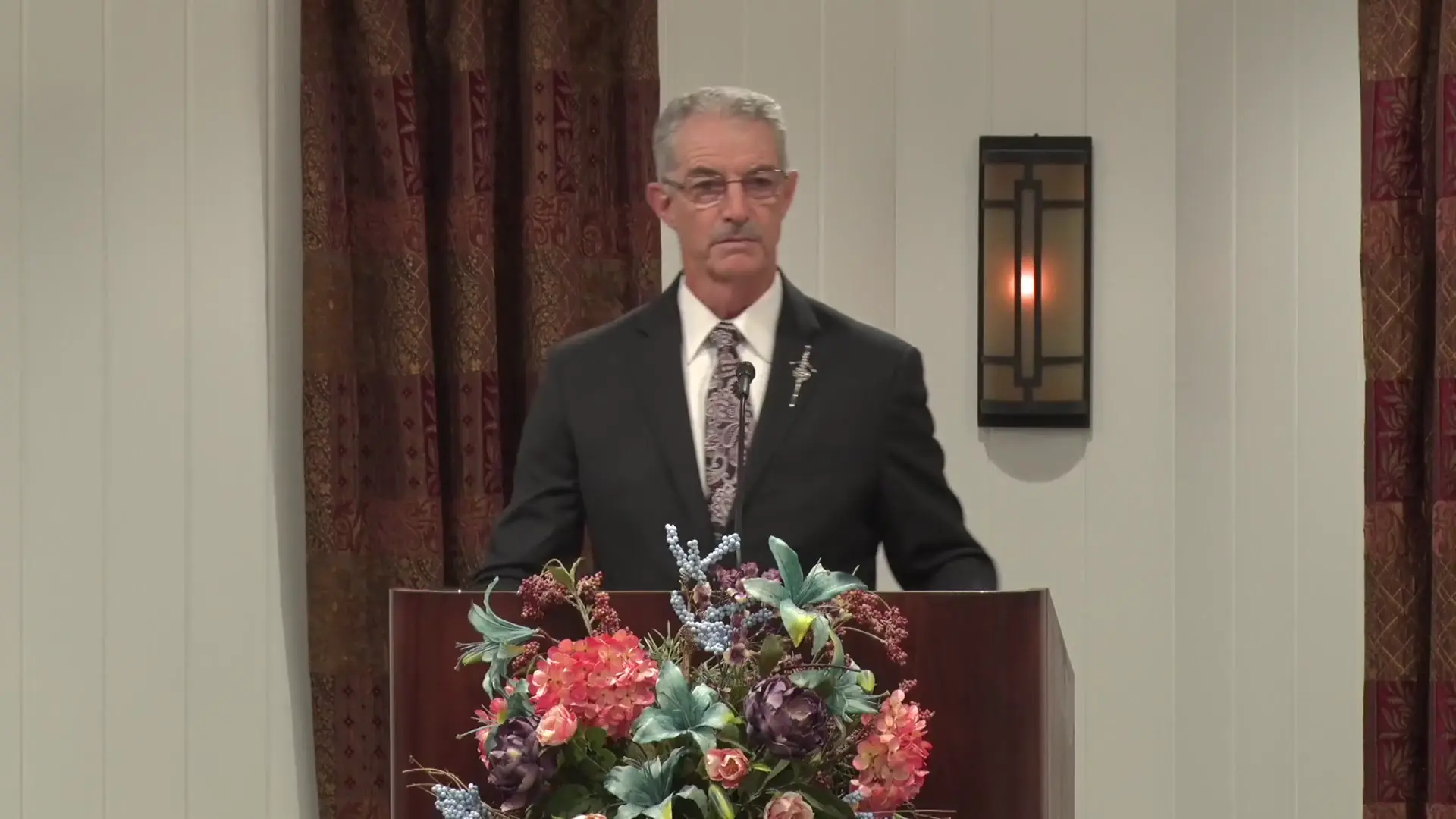
God's Spiritual House
Sermon by Ronny H. GrahamGod's dwelling is a profound concept, reflecting His desire to reside among His chosen people. In I Peter 2:4-5, we are called living stones, being built up into a spiritual house, a holy priesthood, to offer spiritual sacrifices acceptable to God through Jesus Christ. This illustrates that we are not mere field stones, but precious, living parts of His house, chosen by God the Father to be His dwelling place, a truth understood by very few throughout history. Further, in Ephesians 2:19-22, we are described as members of the household of God, built on the foundation of the apostles and prophets, with Jesus Christ Himself as the chief cornerstone. This whole building, joined together, grows into a holy temple in the Lord, a habitation for God in the Spirit. Our wise Master Builder has provided all necessary tools and blessings, as Ephesians 1:3 states, with every spiritual blessing in the heavenly places in Christ, ensuring we can construct a proper spiritual dwelling. Historically, the Levites were appointed over the Tabernacle of the Testimony, as seen in Numbers 1:47-53, tasked with guarding God's dwelling place with their lives. Access to God was restricted, and any outsider approaching the Tabernacle faced death, underscoring God's seriousness about His holy Temple. Sin cannot coexist with His presence, emphasizing our need to eliminate sin and guard the truth, as we are now His Temple. Through the sacrifice of His Son, God has granted us direct access to Him, tearing away the veil to the Holy of Holies. Our High Priest, Jesus Christ, enables us to approach the Most High at any time, a privilege reserved for those chosen by the Father. If we strive to uphold His name, we can become a holy nation, God's own special treasure, His jewels, fulfilling our calling to be a fitting dwelling for Him.
The Glory of God (Part 1): The Shekinah
Sermon by Richard T. RitenbaughThe pillar of cloud and fire first appeared as God led Israel out of Egypt during the seven Days of Unleavened Bread. After the people crossed the Red Sea, the pillar moved from its usual position ahead of the camp to stand between Israel and the Egyptian army, appearing dark and threatening to Pharaoh's forces while providing light and comfort to the Israelites throughout the night. This visible manifestation continued for forty years, guiding the nation by day and by night, protecting them from enemies, and instructing them on their journey toward the Promised Land. The term Shekinah later came to designate this glorious presence, understood as God's visible dwelling among His people. It rested over the completed tabernacle, filling it with cloud and glory so that Moses could not enter, and later filled Solomon's temple in the same manner. The cloud and fire were consistently associated with the ark and its mercy seat, where God was said to sit between the cherubim, judging His people and speaking to them. Over time the concept narrowed until many identified the Shekinah solely with that inner sanctuary location. Scripture, however, reveals a broader reality: the same presence that once led Israel now dwells within the people of God. Through the Word who became flesh and tabernacled among humanity, the glory of God—defined as His perfect character of grace and truth—has been given to believers. The Spirit of God now resides in them as the true temple, supplying the guidance, protection, and instruction formerly supplied by the external pillar. This indwelling presence unites them with the Father and the Son, enabling them to reflect His glory and reach the ultimate Promised Land.
The Glory of God (Part 2): In Christ
Sermon by Richard T. RitenbaughWhen we (following Jesus' example) display the way of God in our lives, bearing His name, and keeping His commandments, God's glory radiates in our lives.
Go Not Out of the House
Sermon by John W. RitenbaughFor Passover, Israel was commanded not to go out of their houses. This is also a warning to Christians when we understand the implications of the word 'house'.
Eden, The Garden, and the Two Trees (Part Two)
Feast of Tabernacles Sermon by John W. RitenbaughThe real cradle of civilization is not Mesopotamia, but Jerusalem, where God started His physical creation and where He will bring it to spiritual fruition.
Don't Leave the House!
Sermon by John W. RitenbaughAs part of Christ's body or household, we have a responsibility to stay attached to the spiritual organism and to respond to the head.
Eden, The Garden, and the Two Trees (Part One)
Feast of Tabernacles Sermon by John W. RitenbaughWe we follow God's patterns, Jerusalem becomes the likely location of the Garden of Eden and the likely location for the future, heavenly Jerusalem.
Eden, The Garden, and The Two Trees (Part Three)
Feast of Tabernacles Sermon by John W. RitenbaughJesus' crucifixion took place outside the camp of Israel, just outside the border of the Garden of Eden, the general area where the Miphkad Altar stood.
Sanctification and Holiness (Part 1)
Sermon by John W. RitenbaughAs God's priesthood, we must draw near to God, keep His commandments, and witness to the world that God is God. God is shaping and fashioning His new creation.
Knowing Christ (Part 2)
Sermon by John W. RitenbaughChrist's sacrifice was not merely substitutionary, but representative, with Christ giving us a pattern for life - mortifying our flesh and putting out sin.
Bezaleel of the House of Judah
Sermonette by Ted E. BowlingGod augmented Bezaleel's natural abilities, not only in physical craftsmanship, but also in the soft skills of management, patience, and longsuffering.
Acts (Part Eight)
Sermon/Bible Study by John W. RitenbaughStephen points out that historically, God has dealt with His people without land or temple, but instead through deliverers, initially rejected by their own.
Lamentations (Part Four)
Sermon by Richard T. RitenbaughIn Lamentations 2, Lady Jerusalem sidesteps godly repentance, opting instead for self-centered recrimination against Almighty God.
All Sifted Like Wheat (Part Three)
Sermon by Mark SchindlerThe peace of Christ does not take place in a democratic compromise and tolerance of evil as the politics of the world advocates, but in submitting to God.
Maintaining Good Health (Part 1)
Sermon by John W. RitenbaughStewardship of our bodies is (like the Levitical maintenance of the temple) an aspect of holiness, strengthening our relationship with Jesus Christ.
Deuteronomy (Part 5) (1994)
Sermon by John W. RitenbaughParadoxically, humble obedience and dependency upon God strengthens us, while prideful self-sufficiency weakens us.