


Filter by Categories
Fully Accepting God's Sovereignty (Part Two)
Sermon by John W. Ritenbaugh (1932-2023)Departing from the living God involves an evil heart of unbelief. The underlying Greek term literally means turn away but is better translated in context as rebelled against. It constitutes a rebellion against a living dynamic person rather than merely against a vague belief in a distant God. The Israelites departed from God because they did not trust what He said. They failed to know Him because they did not seek Him during their pilgrimage and thus did not make the relationship grow. Their problem was not belief in His existence but a passive relationship that produced no effort to return love to Him.
Fully Accepting God's Sovereignty (Part Two)
'Personal' from John W. RitenbaughDeparting from the living God arises from an evil heart of unbelief that refuses faithful submission, produces inner struggle, and results in disobedience. This departure constitutes rebellion against a living and dynamic Person rather than withdrawal from a vague or distant belief. The Israelites demonstrated this failure after their symbolic calling, baptism, and covenant acceptance, for although they witnessed God's mighty acts they neither knew Him personally nor trusted His daily involvement in their lives. Their wilderness experience therefore illustrates that mere acknowledgment of God's existence supplies no sufficient foundation for salvation. The same deficiency appears wherever people regard God as uninvolved after creation, for such a view blocks the intimate knowledge required to endure trials and remain faithful. Avoidance of departure demands that those already in covenant relationship seek God purposefully to become like Him, hear His instruction with obedient response, and allow living faith to govern every daily action. This seeking sustains the personal knowledge of God that constitutes eternal life and enables perseverance toward the Kingdom.
Living by Faith: God's Grace (Part One)
Sermon by John W. Ritenbaugh (1932-2023)Sometimes God's sense of justice seems unusual or strange to us, giving us many questions to ponder about fairness. Justice and fairness are not identical.
The Truth About Deception (Part Three)
CGG Weekly by David C. GrabbeHow are we different from those who have fallen away from the truth? How do we know that we will not also follow a path of deception and eventual apostasy?
Contend Earnestly
Article by John O. ReidAll the signs point to Christ's imminent return, yet the Bible warns us not to let down. Hebrews 10 exhorts us to strive to please God and finish our course.
How Satan Destroys Faith
Feast of Tabernacles Sermon by John W. RitenbaughBecause we act on what we believe, any affront to our belief system will alter our choices and behavior, placing us on a destructive trajectory.
Prayer and Fervency
Sermon by John W. RitenbaughLiving faith has its roots in fervently, diligently seeking God and His righteousness with intense desire (like a passionate lover) through habitual prayer.
The 'Rest' of Hebrews 4
Feast of Tabernacles Sermon by John W. RitenbaughIf we patiently endure, trusting in God's faithfulness to bring us to completion, there will be a time when we will attain the rest we desperately yearn for.
What Do We Do at the End of an Age?
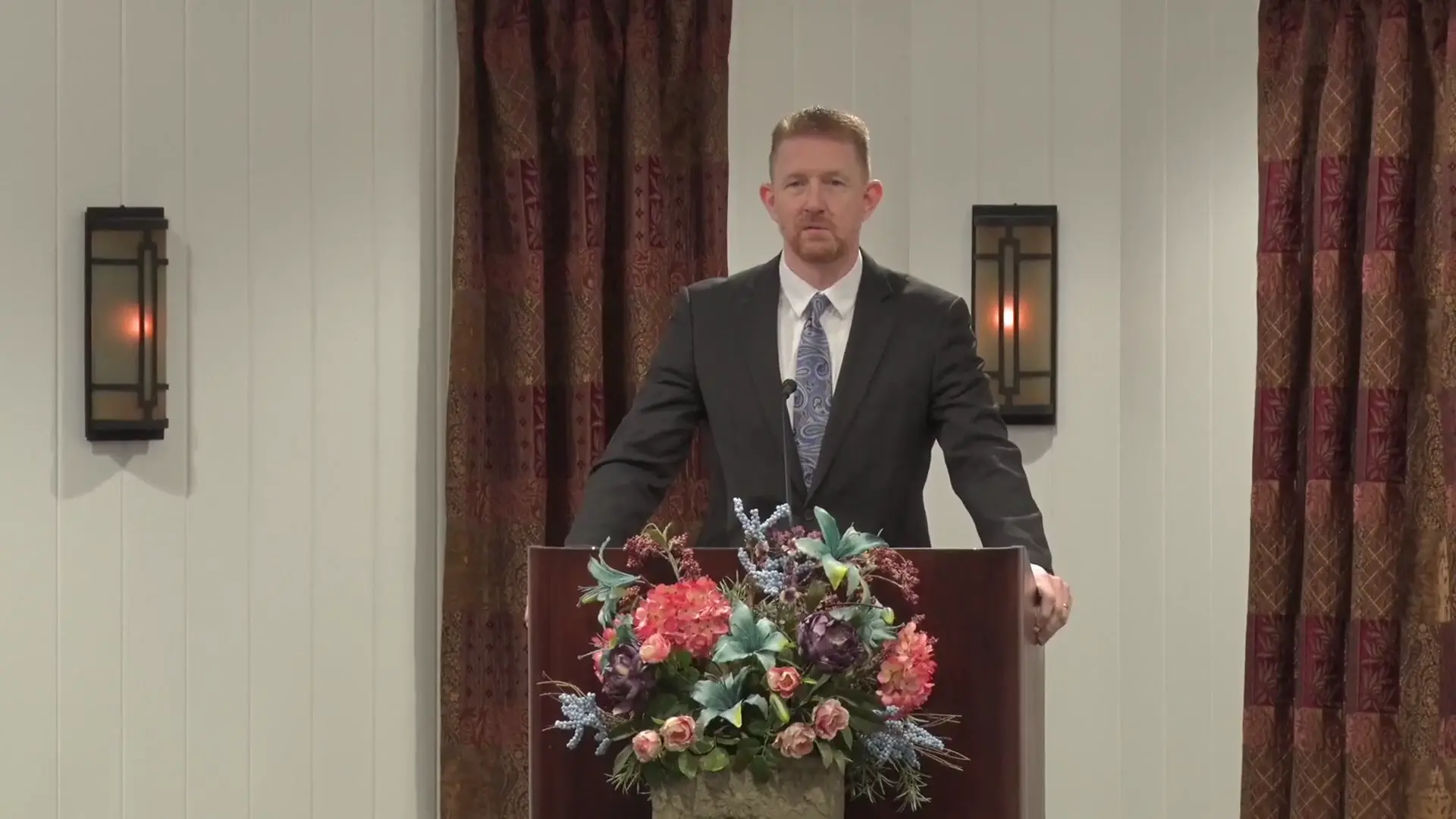
Sermon by David C. GrabbeThe theme of departing from God centers on how spiritual drift, neglect, and hardness of heart lead a person away from the living God, even without outright rejection or blatant sin. This danger is drawn from Hebrews, written to an audience nearing the end of their age, whose long familiarity with the truth had produced apathy rather than urgency. Instead of intensifying their devotion as pressures mounted, they were drifting, and this drifting is identified as the beginning of a path that, left unchecked, leads to willful sin and the impossibility of restoration. Hebrews 3:12 explicitly warns against "an evil heart of unbelief in departing from the living God," linking departure directly to unbelief. Throughout Hebrews, belief functions as obedience, and unbelief as disobedience; what one truly believes shows itself in how one lives. Israel's wilderness generation had constant proof of God's existence and power, yet their hearts remained hardened, and they were barred from His rest. This demonstrates that departing from God is not primarily an intellectual denial of His existence but a practical refusal to let His word govern one's life. The mechanism behind departing from God is described as spiritual sclerosis—a gradual hardening of the heart caused by the accumulation of lesser priorities, worldly voices, and the deceitfulness of sin. Sin promises fulfillment but never delivers it, and because judgment is not always immediate or visible, people grow accustomed to disobedience, mistaking delayed consequences for divine indifference. This normalization dulls sensitivity to God's standards, much as Judah lost the capacity to blush over abominations. Such hardening can be contagious, spreading through the influence of media, culture, and even fellow believers, which is why Hebrews urges daily mutual exhortation to prevent departure. The example of Elijah illustrates a subtler form of this departure: not apostasy, but a hardened worldview that limited his usefulness to God because he would not yield his perspective to God's. Departing from God, then, ranges from dramatic unbelief to quieter forms of self-focus that crowd out trust in Him. Hebrews counters this danger by pointing back to the surpassing worth of Christ and the necessity of holding fast to confidence and hope in Him, exemplified by the apostles' rejoicing even under persecution. The Sabbath is presented not as something to be diminished but as a divine gift that safeguards against drifting, since carelessness with holy time often signals deeper spiritual erosion. Ultimately, the remedy for departing from God is a return to prioritizing relationship with Him through belief, obedience, Sabbath-keeping, and immersion in His living word, which discerns the heart and exposes the very driftings that lead one away from Him.
Guarding Our Vulnerable Hearts
Sermon by Clyde FinkleaSome scholars hold that none of the words denoting rebellion are used in Jeremiah 17:9, but instead it means the heart is vulnerable and easily deceived.
The Sin of Self-Deception
Sermon by John W. RitenbaughIn our relationship with God, we must emphasize principle over pragmatism. If we are led into deception, it is because our carnal nature wanted it that way.

Pure in Heart
Sermon by Bill OnisickIn the examination of our hearts during this pre-Passover time, we must consider the grave consequences of a heart that departs from the Lord. As stated in Jeremiah 17:5-6, cursed is the man who trusts in man and makes flesh his strength, whose heart departs from the Lord. Such a heart results in a barren existence, likened to a shrub in the desert, unable to see good when it comes, dwelling in parched, uninhabitable places. When our carnal, evil heart focuses on self and trusts in its own desires, thinking it knows best, it pulls us away from God, causing us to wither like grass scorched in the sun. As we evaluate our hearts, we must ask what distractions or desires are taking our attention away from God, leading us to depart from His presence and guidance.
The Beast and Babylon (Part Nine): Babylon the Great
'Personal' from John W. RitenbaughFor being a religious book, the Bible contains an unusual number of references to harlotry! Yet they provide understanding of the great harlot of Revelation.