


Filter by Categories
Marriage—A God-Plane Relationship (Part Seven)
CGG Weekly by Richard T. RitenbaughThe Hebrew word *dabaq* (H1692), found in Genesis 2:24, carries the meaning of to glue together, to cleave, or to adhere. It describes the profound bond formed between a man and his wife as they become one flesh, emphasizing a union that is as inseparable as if they were glued together. This concept parallels the Greek word *kolláo* used by Paul in I Corinthians 6:16, illustrating that just as conjugal relations bind a couple like glue, so too does an illicit act unite participants as one flesh, highlighting the deep and binding nature of such intimacy.
Marriage—A God-Plane Relationship (Part Six)
CGG Weekly by Richard T. RitenbaughMoses writes in Genesis 2:24 that a man shall leave his father and mother and be joined to his wife, becoming one flesh. The Hebrew word underlying "be joined to" is *dabaq* (H1692), which means to cling or adhere to. Modern translations render it as be joined to, cling to, hold fast to, unite with, bond with, or stick with, suggesting that the couple are stuck like glue to each other. This illustrates God's intention that the joint between a married couple should be so strong that, if trouble arises, the union will survive, emphasizing the enduring bond He desires for marriage.
Our Help
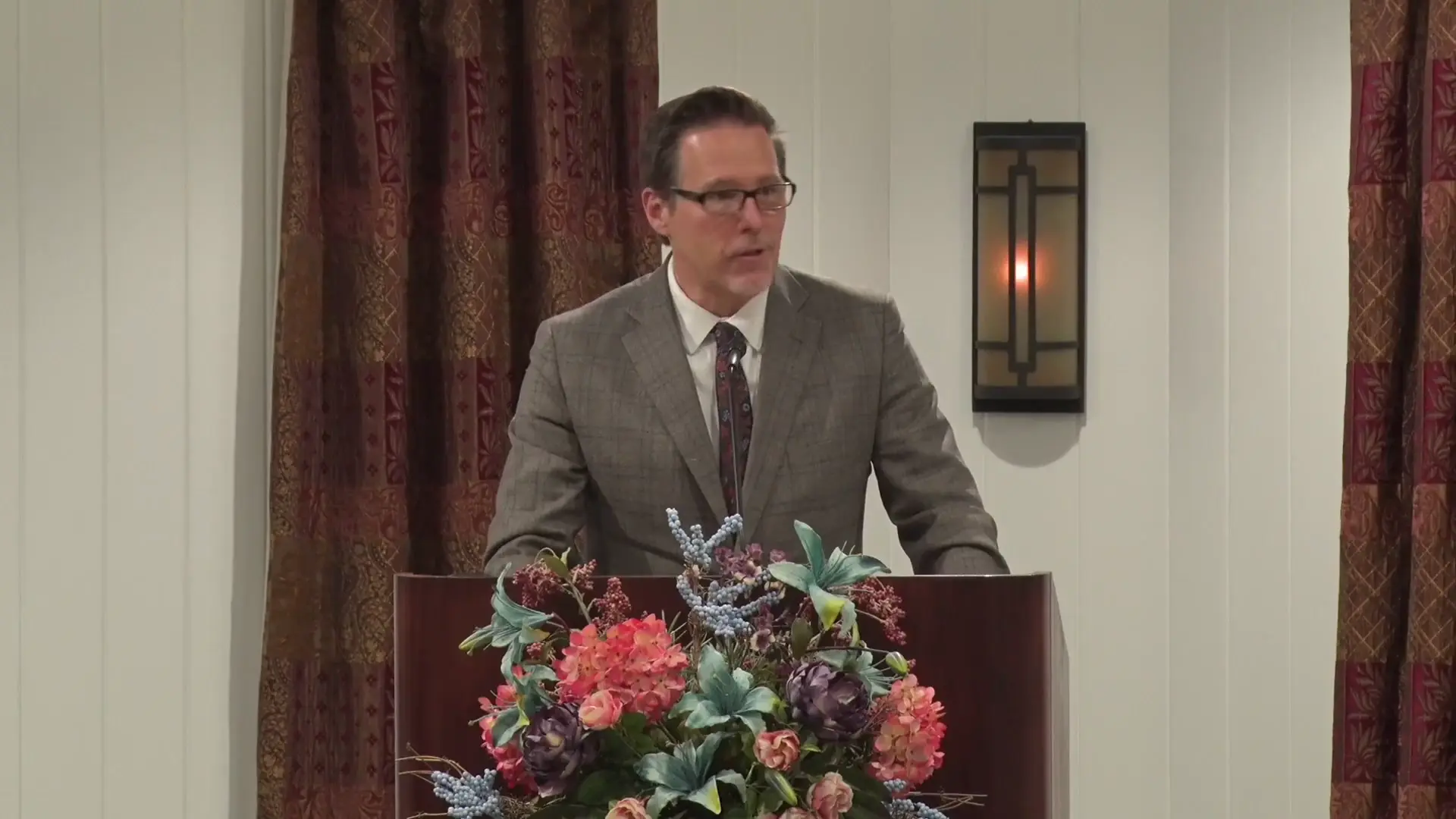
Sermon by Bill OnisickIn the creation account, God emphasizes the importance of unity in marriage through the use of the Hebrew word dabaq (H1692), a primitive root meaning to cling, adhere, abide, cleave, join together, and stay fast together. This term, first used in Genesis 2:24, illustrates the intimate bond where a man is to cleave to his wife, forming a relationship where they become one flesh. This same word is also used to describe our relationship with God, as seen in Deuteronomy 11:22, highlighting the deep, inseparable connection intended in both human and divine relationships. God uses the covenant of marriage as a primary illustration to create us in His image, mirroring the unity and intimacy He desires with His covenantal people. As Christ loves the church with sacrificial love, so must a man cleave to his wife, reflecting that same devotion and unity in becoming one flesh.
Leadership and Covenants (Part Six)
'Personal' from John W. RitenbaughGod's purpose for marriage, as seen in Genesis 2:24, emphasizes the importance of being joined or cleaving to one another. The Hebrew term dabaq (H1692), underlying this concept, is a strong word that literally conveys two being held together by force, as in capturing another. Figuratively, it suggests being glued together through positive family care, portraying a bond of consistent, sacrificial loyalty and devotion in a marriage-and-family context. This is illustrated in Ruth 1:14, where Ruth clung (dabaq) to Naomi, choosing to remain with her and accompany her to Judea, unlike Orpah who distanced herself. God seeks from each marriage partner a voluntary, sacrificial giving of themselves in loyalty, devotion, and affection to produce oneness, reflecting the kind of unity He desires in both physical and spiritual relationships.
Leadership and the Covenants (Part Five)
Sermon by John W. Ritenbaugh (1932-2023)The Hebrew word dabaq (H1692), translated as "cleave" in Genesis 2:24, carries a profound meaning in the context of relationships. It signifies to cling, stick, keep fast, follow hard, and keep close to, implying a deep and enduring bond. This term is used to describe the responsibilities of a husband and wife, indicating that they are to cling to one another for dear life and become, in essence, one. A clear usage appears in Ruth 1:14, where Ruth clung to her mother-in-law, demonstrating unwavering loyalty. Similarly, the name Habakkuk, meaning one who clings, reflects a determination to hold onto God despite dire circumstances, hanging on for dear life. In the context of marriage, dabaq suggests that effort must be made to achieve this joining, adhering, and clinging, akin to being glued together. God uses this word in Genesis 2 to show that becoming one as husband and wife requires significant effort, utilizing the fruit of His Spirit to reach the level of unity He desires.
Leadership and the Covenants (Part Six)
Sermon by John W. Ritenbaugh (1932-2023)The Hebrew word dabaq (H1692), often translated as "cleave" or "cling to," carries significant spiritual importance in understanding God's purpose for marriage. It implies a deliberate effort to hang on, indicating that maintaining unity in marriage requires work and dedication, as a partner might slip away without consistent effort toward oneness. In Genesis 2:24, God uses dabaq to convey that He seeks service, loyalty, devotion, and affection from each partner to achieve this unity. This clinging is more figurative than physical, highlighting the deeper relational bond God intends. The concept of clinging also parallels the spiritual relationship with Jesus Christ, our spiritual Husband, emphasizing that holding fast to Him amidst worldly challenges under satan's influence is not easy. Just as marriage demands self-sacrifice to achieve oneness, so does our life in Christ require similar dedication, reflecting the same clinging attitude God desires for both human and divine relationships.

The Two Shall Become One
Sermon by Bill OnisickFrom the beginning, God's design was for a man and a woman to join together and become one flesh. The Hebrew word translated as "cleave" in Genesis 2:24 is dabaq (Strong's 1692), meaning to cling, adhere, abide, follow, or be joined together. This same word appears in Deuteronomy 10 as "hold fast," reflecting the deep bond intended between husband and wife. The use of dabaq illustrates the strength and closeness of this relationship, mirroring the way we are to hold fast to God. The man is to cleave to his wife, uniting with her in a profound connection, as they complete each other in harmony with God's plan. We, as the Bride of Christ, are called to cleave to Him, developing a tight relationship as we prepare for the ultimate fulfillment of this union.