


Filter by Categories

Avoiding Detrimental Assumptions
Sermon by Martin G. CollinsThe world's religions have attempted to cast Almighty God into their faulty images, crafting an evil and destructive situational ethics.
God Will Understand
Sermon by Martin G. CollinsGod pays attention to the small things we may excuse in ourselves, sins we commit in weakness. God's patience does not constitute approval of our sin.

Secret Faults and Presumptuous Thoughts
Sermon by Martin G. CollinsPeople can mentally 'legalize their iniquities,' in doing so attempting to make God the accomplice of their sins. But He will not overlook blatant faults.

The Model Prayer (Part Seven): Forgive Us Our Debts
Bible Study by Richard T. RitenbaughIn His Model Prayer, Jesus states that God's forgiveness of us depends on our forgiving others. Forgiveness spurs reconciliation among God's people.
The Weightier Matters (Part 3): Mercy
Article by StaffMany have a love-hate relationship with mercy: They love to receive it, but hate to give it! Here is why we should lean toward mercy in all our judgments.
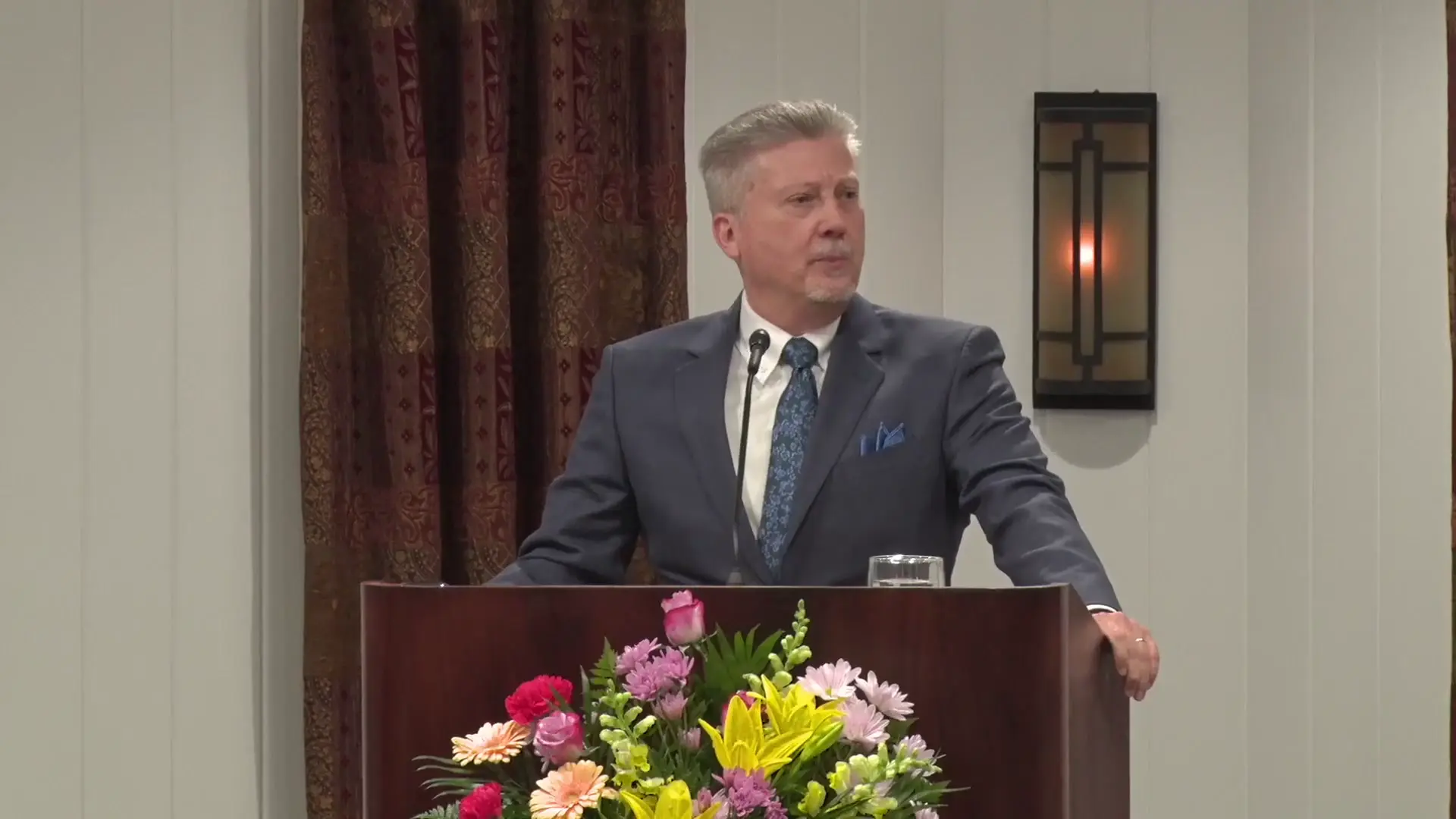
Peace, Peace (Part One): Peace with God
Sermon by Richard T. RitenbaughIn the analogy of a war against the rightful king, the heir announces amnesty or pardon to wounded rebels who are brokenhearted about their rebellion. The king declares pardon and forgiveness for their rebellions against Him. Their sins are wiped away and their rebellion is removed from the books if they accept the conditions of amnesty. Those who repent go free from prison and live at liberty because they and the king are at peace with one another. This pardon restores the ability to have a relationship with God by removing the chasm created by sin.
What Is Propitiation? (Part One)
Bible Study by Martin G. CollinsPropitiation is the way God and man can be reconciled and experience a profitable relationship.