


Filter by Categories
Will the Church of God Be Thrown Down? (Part One)
CGG Weekly by David C. GrabbeI Peter 2:5 calls Christians 'living stones'; is it possible that the the spiritual Temple will at some point be left with 'not one stone . . . upon another'?
Eden, The Garden, and the Two Trees (Part Two)
Feast of Tabernacles Sermon by John W. RitenbaughThe real cradle of civilization is not Mesopotamia, but Jerusalem, where God started His physical creation and where He will bring it to spiritual fruition.
A Time to Build Up
Sermonette by Christian D. HunterThe building of Solomons' Temple began in the month of Ziv. Ziv occurs in the springtime when the sun is in the sky for longer, enabling working in the light.
Eden, The Garden, and the Two Trees (Part One)
Feast of Tabernacles Sermon by John W. RitenbaughWe we follow God's patterns, Jerusalem becomes the likely location of the Garden of Eden and the likely location for the future, heavenly Jerusalem.
Eden, The Garden, and The Two Trees (Part Three)
Feast of Tabernacles Sermon by John W. RitenbaughJesus' crucifixion took place outside the camp of Israel, just outside the border of the Garden of Eden, the general area where the Miphkad Altar stood.

Be Strong and Work
Feast of Tabernacles Sermon by David C. GrabbeWhile the returned Judean exiles prioritized their own houses over building the temple, we should understand that it is always time to work on God's house.
The Glory of God (Part 2): In Christ
Sermon by Richard T. RitenbaughWhen we (following Jesus' example) display the way of God in our lives, bearing His name, and keeping His commandments, God's glory radiates in our lives.
The Glory of God (Part 1): The Shekinah
Sermon by Richard T. RitenbaughThe Shekinah, the pillar of cloud and fire, depicts God's visible presence and protection. Yet His glory is manifested in many other ways as well.
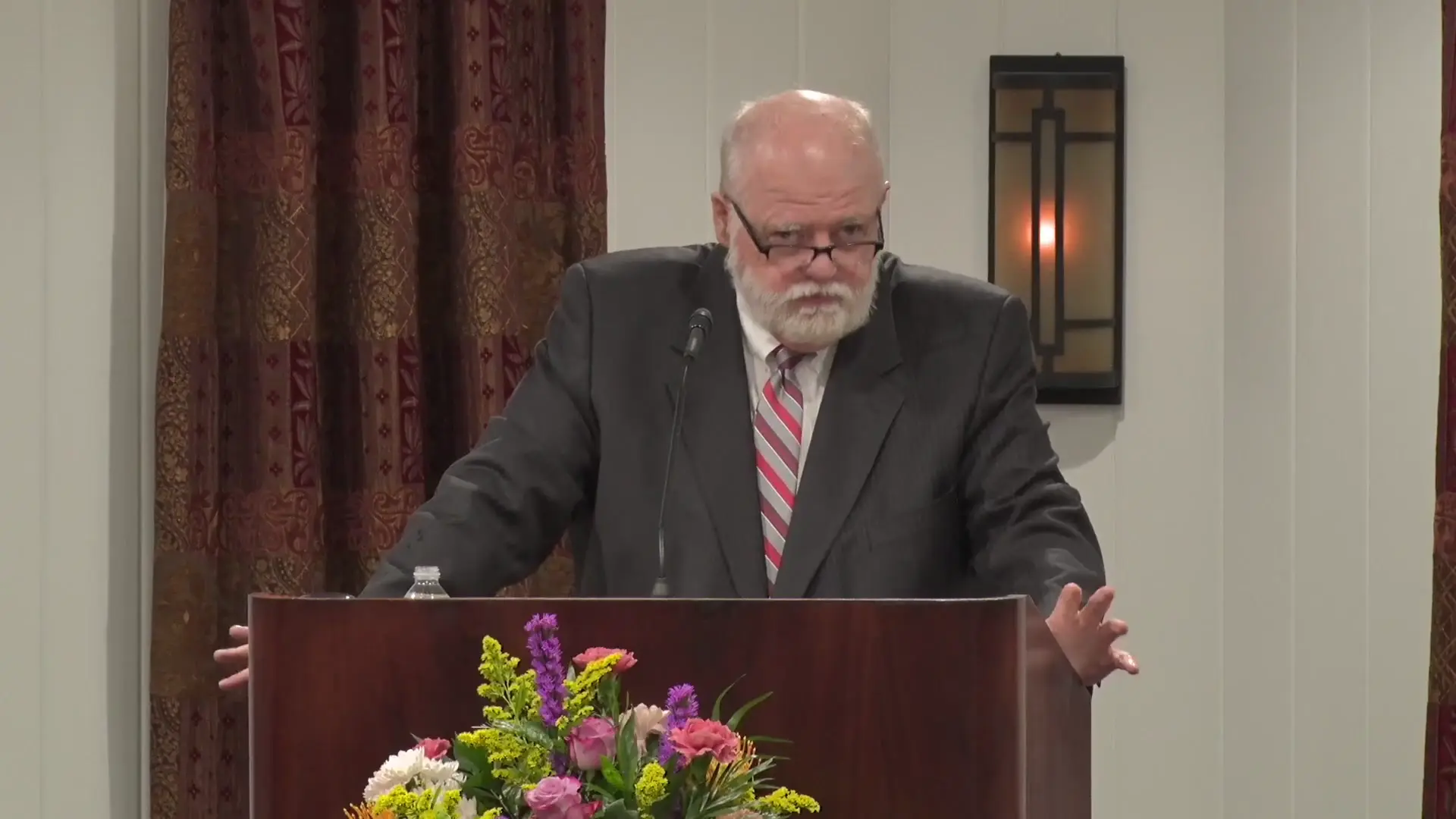
The Sons of Korah: Door Keepers
Sermon by Ted E. BowlingThe Temple served as the physical sanctuary where God could dwell directly among His people after they entered the wilderness. Gatekeepers were Levites appointed and stationed at the entrances of the Temple to open the doors each morning and close them at night. Their duties included receiving and distributing tithes and gifts brought to the house of God. They oversaw the vessels, furnishings, and implements of the sanctuary along with the fine flour, wine, oil, incense, and spices. Some prepared the showbread for every Sabbath while others made ointments from the spices. Above all they guarded the entrances day and night to ensure no unclean person entered. The psalmist declared a preference for the role of doorkeeper at the threshold of the Temple over any other place. David gathered resources and organized the priesthood to support service in the Temple once built, appointing four thousand gatekeepers for this work. One family chosen for this duty and for music was the Korahites, descendants of Korah. These sons of Korah wrote and sang Psalm 84, expressing their dedication to guarding the house of God. In the New Testament the Temple of God is no longer a building but the bodies of believers through His Holy Spirit. Jesus Christ is the one perfect gatekeeper who laid down His life to grant access to God's presence while excluding every unclean thing.
Building on Christ's Foundation
Sermonette by Martin G. CollinsEven with all the quality materials and workmanship, its perpetuity would only be guaranteed if its people would walk faithfully in God's laws and statutes.
God's Power: Our Shield Against Apostasy
'Personal' from John W. RitenbaughGod is not only powerful, but He is the source of all power. We can tap into God's power to avoid slipping into apostasy.
A Feast Message From Hebrews
Feast of Tabernacles Sermon by John W. RitenbaughThe Bible shows a clear pattern of how people leave the faith: looking back, drawing back, looking elsewhere, and then going backward and refusing to hear.
Acts (Part Eight)
Sermon/Bible Study by John W. RitenbaughStephen points out that historically, God has dealt with His people without land or temple, but instead through deliverers, initially rejected by their own.