


Filter by Categories
Jesus in the Feasts (Part Five): Tabernacles
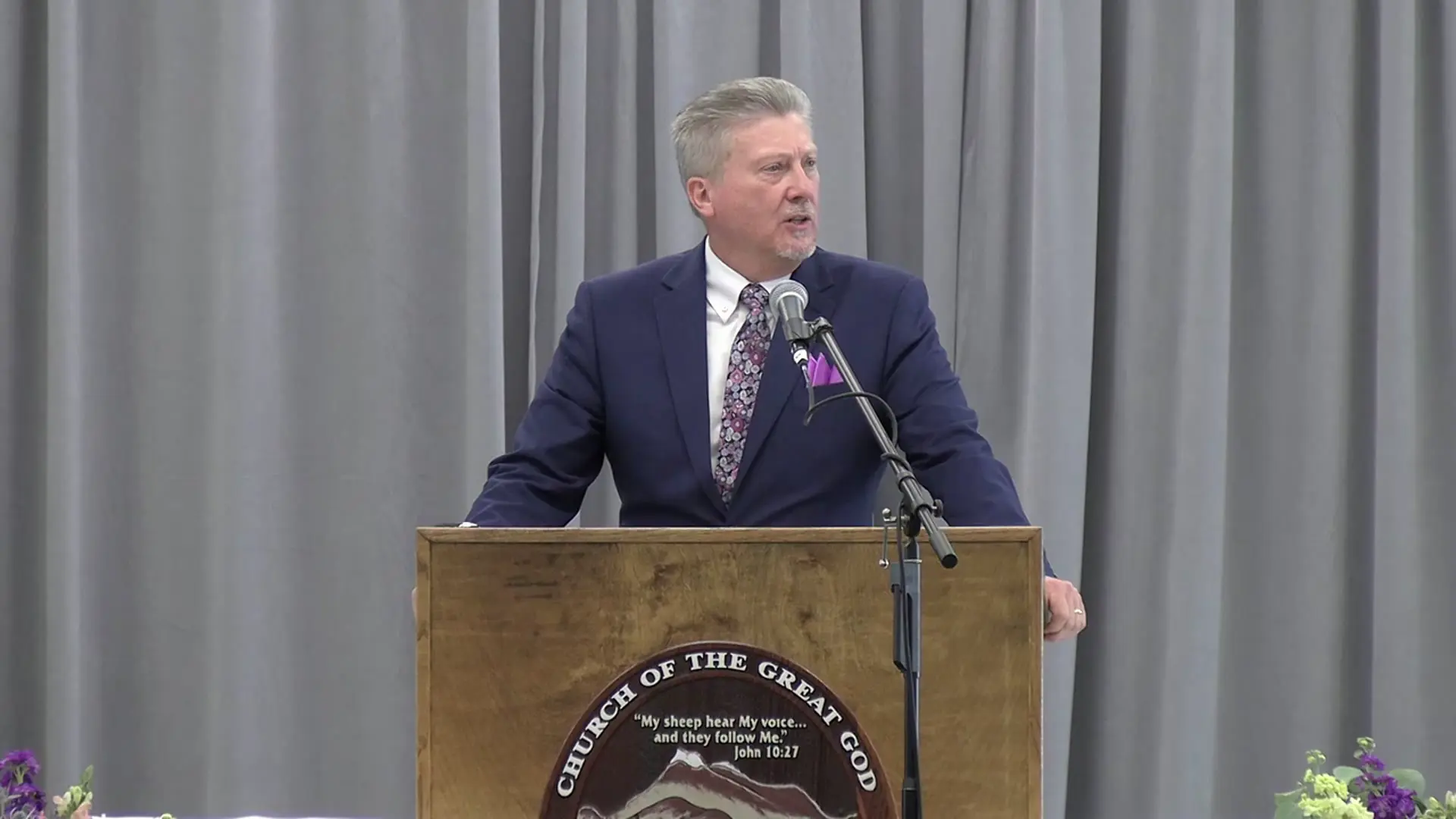
Feast of Tabernacles Sermon by Richard T. RitenbaughThe Feast of Tabernacles points to Christ as the believer's God-ordained, permanent dwelling place, not merely a temporary booth, and the New Covenant draws believers into a mutual indwelling with Him. John 1:14 says the Word "tabernacled" (eskēnoo) among us, taking up residence in flesh as the same God of grace and truth who revealed Himself to Moses in Exodus 34:6, with His glory shielded. In John 15 Jesus calls believers to "abide" (meno) in Him as branches in the vine, a remaining that begins in this life and is meant to continue for eternity. The Psalms and Isaiah repeatedly describe God as dwelling place, refuge, hiding place, and sanctuary for those who trust Him with a humble, contrite spirit. Under the Old Covenant this was largely metaphorical and distant, taught through physical booths and the sacrificial system. Through Christ's sacrifice, access becomes personal: Christ and the Father dwell in the believer by the Spirit, and the believer dwells in Christ. Paul expresses this with the body imagery of 1 Corinthians 12, Ephesians 1, and Colossians 1, and with his constant phrases "in Christ," "in Him," and "with Him." Colossians 3:3 says the believer's life is "hidden with Christ in God," a secure fortress after baptism. Believers grow into Christ's likeness and will abide in Him forever.
Four Views of Christ (Part 1)
Sermon by John W. RitenbaughThe purpose of God's Word, as revealed in the Bible, is to enable Christ to dwell in our hearts through faith and love. As Ephesians 3:14-19 expresses, out of the treasures of His glory, God grants inward strength and power through His Spirit, so that Christ may reside within us. This indwelling is a process, requiring deep roots and firm foundations to grasp the breadth, length, height, and depth of Christ's love, ultimately filling us with the very fullness of God. The Bible, as a revelation of His mind, guides this transformation, helping us to be conformed from the glory of man to the glory of God. This indwelling of Christ is not automatic; it demands effort on our part to search into the hidden beauties of God's Word. As we persist and obey, Christ feels more at home within us, becoming a welcomed part of our lives. Our trust, shown through obedience, allows Him to dwell comfortably in us, as we take on more of His image. The Holy Spirit enables us to seize and possess the glories of God, making this transformation accessible to all who have His Spirit, not limited to a select few. The goal of this process is to reach the measure of the stature of the fullness of Christ, as described in Ephesians 4:13. By continually looking into God's Word, we gradually grasp the fuller implications of what we understand, enhancing our ability to imitate our Savior. Before we can become what God desires, we must first see His image clearly, and as we study and think on it, we are transformed into that image. Christ, identified as the manna of the New Testament, symbolizes the spiritual nourishment that sustains us, though much of this nourishment is hidden and requires diligent searching to uncover.

Why Are We Here and What Is Our Focus?
Feast of Tabernacles Sermon by Mark SchindlerJesus Christ, indwelling among us, is the central focus of our journey and unity within the Body of Christ. He dwells with us, uniting us as we progress on this path, ensuring we finish this journey together to become a permanent dwelling in the Family of God. As stated in I Corinthians 6:19-20, our bodies are the temple of the Holy Spirit, bought at an incredible price, and we belong not only to God but to each other, with Jesus Christ Himself as the source of unity for the glory of the Father. He has made a temporary dwelling with us, guiding us with His presence. During the Feast of Tabernacles, we are reminded to keep Him at the forefront, learning to live as He lives in unity. As His living dwelling place, He moves us to prepare to serve the hopeless who will come after us, knitting the body together as only He can. Ephesians 4:11-18 emphasizes that we grow up into Him who is the head, Christ, from whom the whole body is joined and knit together, causing growth for the edifying of itself in love. The source of our joy must come from clearly recognizing that Christ is among us and in us, preparing us and giving us hope to share with others. The intimate relationship we have with our Creator through His indwelling presence is a privilege unlike any other. As we celebrate this Feast, we must make the most of the time He has given us to grow to be like Him, doing what is pleasing to Him. Revelation 1:4-6 highlights His love and sacrifice, washing us from our sins in His own blood, making us kings and priests to His God and Father, to whom be glory and dominion forever and ever. Let us keep our focus on Jesus Christ, indwelling and uniting us, as we prepare for the future He builds within and among us.
Made His Wonderful Works to Be Remembered (Part Two)
Sermon by Mark SchindlerThose called by God now have a unique privilege and responsibility to live in God's truth, distinguishing them from those who have hope but lack understanding.
A God Near at Hand (Part Three)
CGG Weekly by Ryan McClureSince God clearly was involved in the lives of people in Old Testament times, if He does not change, should He not interact with people in the New Testament era?

Abraham's Sacrifice (Part Three): Hope Demonstrated
Sermon by Richard T. RitenbaughAbraham's resolute intent to sacrifice Isaac displayed his unreserved devotion to God's purpose for him. We must display the same kind of tenacity.
All Sifted Like Wheat (Part Three)
Sermon by Mark SchindlerThe peace of Christ does not take place in a democratic compromise and tolerance of evil as the politics of the world advocates, but in submitting to God.
All in All
Sermon by John W. RitenbaughThe 'all in all' process has already begun. Our obligation and responsibility is to obey and yield to Christ and God the Father, conforming to their image.
The Holy Spirit and the Trinity (Part Four)
Sermon by John W. RitenbaughBeing 'in Christ' does not refer to location, but instead our 'concern with' or 'involvement with' Him—and He with us.