


Filter by Categories

What Sin Does
Article by John W. RitenbaughSin exerts a profound and destructive influence on the human mind and spirit, tarnishing one's perspective and eroding innocence. It begins with shame and guilt, as seen when Adam and Eve hid from God after sinning, their minds altered so they no longer viewed life with the same purity. Sin's stain causes a person to feel overtaken by iniquities, unable to look up, and defiles both mind and conscience, rendering nothing pure to those affected. The hardening effects of sin manifest as a gradual process. Initially, sin is regarded with horror, but repeated engagement dulls the conscience, making each subsequent sin easier until the behavior becomes entirely acceptable. This addictive quality of sin erodes high ideals, as seen in the wealthy young man whose covetousness shattered his aspirations when faced with Jesus' demand to relinquish his possessions. Over time, sin paralyzes right action, producing a hardened attitude that is impenetrable, insensitive, and unteachable, eventually making repentance impossible. Sin also destroys the will, transforming initial acts of weakness or curiosity into habits and necessities that shape one's character and destiny. Its deceitfulness lures individuals into deeper perversions, promising pleasure and fulfillment it cannot deliver, thus hardening the heart further. This hardness, akin to a callus, stiffens moral sensitivity and leads to an inflexible state of mind. Moreover, sin produces slavery, where individuals are no longer in control but are dominated by sin itself, even if the act is momentarily enjoyable. This bondage is especially perilous when sin is committed with knowledge, pulling one away from the freedom offered through Christ's sacrifice. Sin's progression inevitably leads to more sin, spreading and corrupting like leaven in dough, as evidenced by the cascading sins of Jacob's sons, whose initial favoritism led to jealousy, hatred, and deception. Finally, sin's hardening effects contribute to sickness, pain, degeneracy, and ultimately death. The connection between sin and physical ailments is subtle but real, often the result of accumulated sins over time. Unchecked, sin's final outcome is death, the ultimate bondage from which none escape without divine intervention, marking the end of a tragic cycle that begins with temptation and ends in destruction.
The Momentum of Sin
Sermonette by Joseph B. BaityBoth David and Eve failed to slow down the momentum of their carnal lusts. The momentum of sin is dangerous, especially when the consequences appear to be far away.
Should We Ignore Our Feelings of Guilt?
Bible Study by Martin G. CollinsSin leads to an unshakable habit similar to a chemical addiction, making it easier to absolve guilt with each instance. Even petty sins, when numerous, can immobilize a person until they completely harden the heart. This hardening occurs because sin is not merely a violation of law but an insult to a relationship with the One to whom everything is owed. The Greek word for sin is hamartia, an archery term for missing the mark, so that sin means missing the whole point of human life. Ignoring guilt from sin results in separation from God and eventual misery, as seen in examples like Cain and Joseph's brothers. Persistent sin intertwines with guilt and punishment, and without submission, the penalty must be paid.
This Body of Death
Sermonette by Ted E. BowlingIn ancient times, the corpse of a murdered person was attached to the murderer, allowing the body to decompose until the murderer was infected and died.
The Elements of Motivation (Part Seven): Fear of Judgment
'Personal' from John W. RitenbaughSin produces a hardening effect. In the end it develops a heart of stone. Sin is seductive enticing deceitful and hardening. Its deceitfulness is that it cannot deliver what it promises. It deludes a person into thinking he can have it all or take it or leave it. It promises pleasure contentment fulfillment and life but what it delivers in those areas is fleeting. All along the way his heart becomes hardened as well. Hardened is translated from the Greek word for a callus. A callus forms around the break in a bone on the palms of hands and on fingers from constant hard use or in a person's joints paralyzing its actions. In a moral context it suggests impenetrable insensitive blind or unteachable. A hardened attitude is not a sudden aberration but a habitual state of mind that shows itself in inflexibility of thinking and insensitivity of conscience. It can eventually make repentance impossible. People in this state are all adulterers an assembly of treacherous men. They proceed from evil to evil and do not know God. They weary themselves to commit iniquity.
Elements of Motivation (Part Six)
Sermon by John W. RitenbaughEven though sin offers fleeting pleasure, we must learn to intensely hate sin, regarding this product of Satan as a destroyer of everything God loves.
Communication and Leaving Babylon (Part Three)
'Personal' from John W. RitenbaughChristians must continue to fight against self-centered and deception long after their calling to deepen and strengthen their relationships with God.
Our Apostasy
Feast of Tabernacles Sermon by Charles WhitakerThe subtle and deceptive apostasy upon the church became so pervasive that God couldn't find anyone to serve as an intercessor.
Hebrews (Part Four)
Sermon/Bible Study by John W. RitenbaughWe must emulate Christ, who learned through suffering, preparing Himself for His role as High Priest. Giving in alienates us from the fellowship with God.
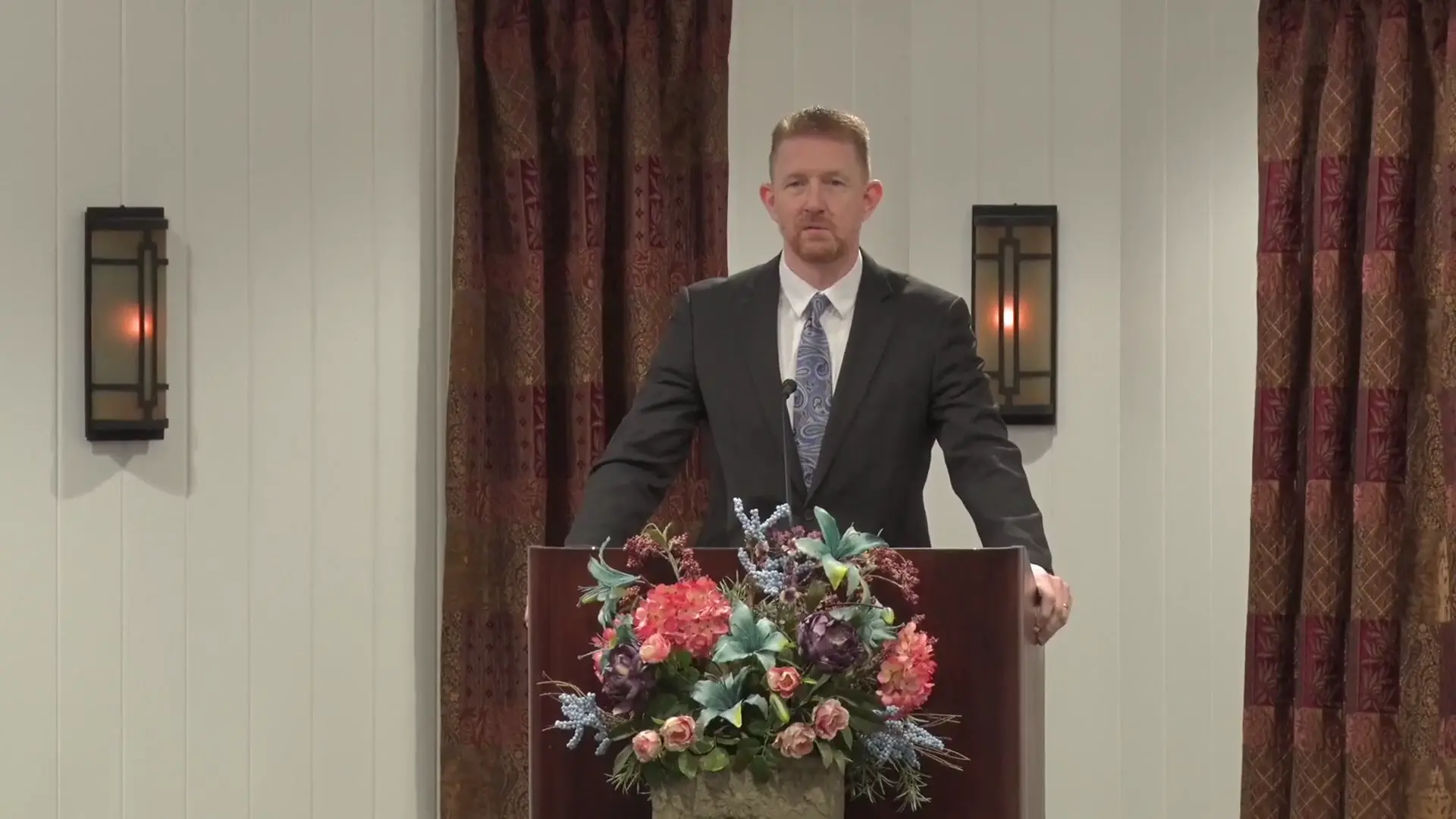
What Do We Do at the End of an Age?
Sermon by David C. GrabbeIn this unstable world, the only solution is to decisively prioritize our relationship with God. That relationship is the only secure footing at the end of an age.
Living by Faith: God's Grace (Part Two)
Sermon by John W. Ritenbaugh (1932-2023)God's grace supports and fulfills us, but it does not mean 'once saved,always saved.' It is possible to fall from grace, as Israel's experience demonstrates.
The Great Work the Lord Has Done!
Sermon by Martin G. CollinsWe must not fear but stand firm and be still, watching the salvation of the Lord, actively exercising faith, while God makes short work out of our enemies.
Conditioned Response
Sermon by Martin G. CollinsThe defilement that begins in the heart is shaped, molded, and conditioned by the media, training people to override their conscience, desensitizing them.