


Filter by Categories
Confessions of a Sinner
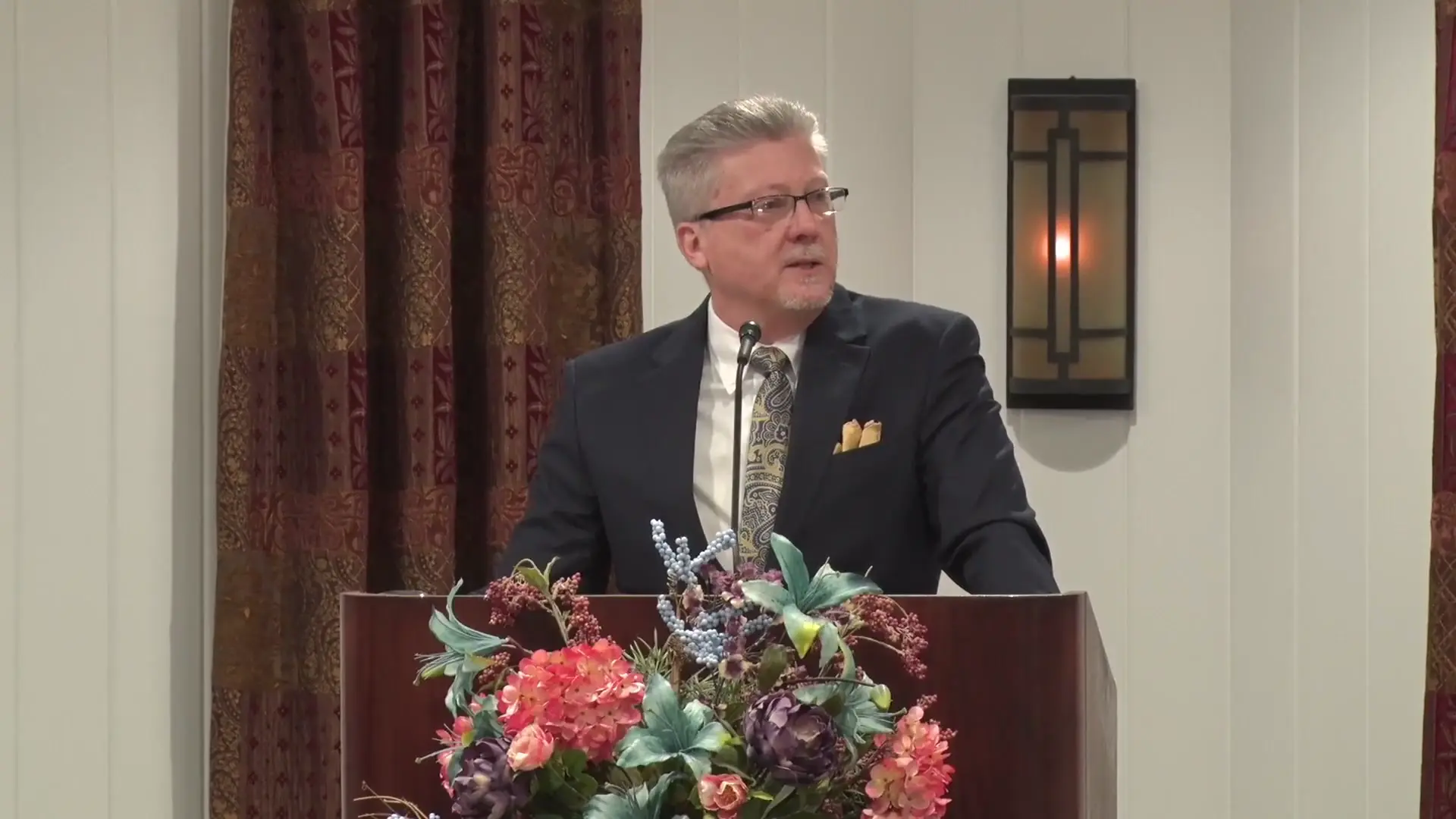
Sermonette by Joseph B. BaityHow we handle our own sins and those of others proves foundational, particularly through confessions to one another in appropriate circumstances.
Is Confession of Sins a Biblical Practice?
Bible Questions & AnswersChristians are to confess their sins directly to God, not to men, as no human can forgive sins. Jesus Christ, our High Priest, serves as the sole Mediator between mankind and God, ever living to make intercession for those who come to God through Him. When we sin, we have an Advocate with the Father, Jesus Christ the righteous, who atones for our sins. He is faithful to forgive our sins when we confess to Him, allowing us to come boldly to God's throne of grace. While Scriptures encourage confessing faults to one another for mutual prayer and support, this differs from confessing past sins, which should generally be reserved for God alone. God forgets our sins once He removes them, whereas humans do not, and sharing such confessions with others can permanently stain relationships.
Admission of Sin
Bible Study by Martin G. CollinsMany people, in their enmity against God, refuse to confess or even acknowledge their sinful acts. Confessing sin means to acknowledge and admit it, taking steps to counter its addictive impact as part of overcoming it. Sin is committed against God, revealing its true seriousness, and also against oneself, since our bodies belong to Him, purchased by the blood of Jesus Christ, and we must glorify God in body and spirit. The detrimental effect of sin extends to others, impacting family, friends, community, and the world, with each sin adding to immeasurable suffering, curtailing freedom, and corroding our potential. Sin breaks the vital connection with God, violating the relationship necessary for true religion, much like a deteriorating bond between a headstrong child and parent. Habitual sin enslaves, hardening the heart and lowering barriers to further transgression, as Jesus Christ warns to sin no more lest worse consequences follow. Each sin lowers inhibition to further wrongdoing, causes collateral damage to those around us, and separates us from our Father and His love, without which we would be eternally lost. Yet, through our heavenly Father's powerful love, He provides the perfect antidote to sinful habits in the life and blood of Jesus Christ.
A Sin Unto Death
'Ready Answer' by StaffSin, if sincerely repented of and confessed to our merciful God, can be forgiven. As it is written, if we confess our sins, He is faithful and just to forgive us our sins and to cleanse us from all unrighteousness. However, any sin can lead to eternal death if it remains unconfessed, unrepented, and is allowed to persist in a person's life. A sin not unto death is one that is confessed, repented of, and does not involve a willful violation of God's law. In contrast, a sin unto death occurs when a person has willfully turned from God's way, a solemn and terrifying warning for any who might consider abandoning His path. For those still in God's church, if we see or hear of a fellow member sinning a sin not unto death, often out of ignorance or weakness, we ought to ask God to help them recognize their error and repent, trusting that He will hear and answer our prayers according to His will.
Are Some Sins Worse Than Others?
'Ready Answer' by Martin G. CollinsIt seems that some sins should be worse than others in God's eyes. Though all sin merits the death penalty, some sins carry greater consequences and penalties.
Is Alcoholics Anonymous Godly?
'Personal' from John W. RitenbaughIs Alcoholics Anonymous a godly organization? Does it use the methods God uses? Where should Christians go who have problems with alcohol?
Repentance: The Genuine Article (Part Six)
CGG Weekly by Richard T. RitenbaughThe proof that a person has truly made a change of heart appears when his life begins to show him doing what is right. Right living is the fruit of repentance.
Jesus and the Robber
Sermonette by Richard T. RitenbaughThe account of the two robbers crucified alongside Jesus provides a clear picture of what it means to confess sin. One robber persisted in reviling Jesus, mocking His claim to be the Messiah and demanding that He save Himself and them. The other robber, after rebuking his companion for continuing such abuse while facing death, took the essential first step toward repentance: he openly admitted his own guilt. Rather than protesting innocence, as most people do when caught, he confessed to Jesus and, in effect, to God that he and his companion were justly condemned, receiving the due penalty for their crimes. This admission of guilt is identified as the necessary starting point of repentance, paralleling the instruction found in I John 1:9, that confessing sin to God, who is faithful and just, leads to forgiveness. The robber's confession did not stop with an acknowledgment of his own wrongdoing. He went further by openly declaring Jesus' innocence, stating that Jesus had done nothing amiss or improper. This recognition suggests that he had some prior awareness of Jesus' teaching, perhaps gained during his travels as an insurrectionist seeking a Messiah to deliver his nation from Roman oppression. His subsequent request, "Lord, remember me when You come into Your kingdom," reveals that he had connected Jesus' identity with the coming Kingdom of God, understanding that this Kingdom was a literal, future reality beyond Jesus' death. Notably, he did not ask for forgiveness or salvation outright; his confession of sin and his acknowledgment of Jesus' righteousness were paired with humility and a simple desire to be remembered by Christ. Jesus' response affirmed that the robber had grasped something vital, an understanding that exceeded even what His own disciples had comprehended at that point. The elements present in this exchange, confession of one's own sin, recognition of Christ's sinlessness, and a humble desire to be with Christ, are presented as foundational to entering His Kingdom. Jesus assured the robber that if this attitude of repentance continued, he would indeed be with Him in Paradise, a term tied not to an immediate trip to heaven but to the future, sinless condition of God's Kingdom, echoing the original Paradise of Eden. This assurance underscores that genuine confession involves both honest acknowledgment of guilt and a right recognition of who Jesus is, forming the basis for the hope of resurrection into His coming Kingdom rather than an instantaneous entry into heavenly bliss.
Psalm Genres (Part Six): Penitential Psalms
Sermon by Richard T. RitenbaughGuilt is a corrosive force, eating away at a person from within, as it burdens the soul with the weight of sin. It serves as a stark reminder of our transgressions against God's holy law, incurring the death penalty and leaving us with a profound sense of unworthiness. This guilt often drives us to seek a Savior for the remission of sins, to lift the heavy burden that weighs us down. In the presence of Jesus Christ's holiness, as seen in the miracle of the great catch of fish, Simon Peter was overwhelmed by his sinfulness, falling at Jesus' knees and pleading, "Depart from me, for I am a sinful man, O Lord!" This reaction reflects the deep guilt that surfaces when confronted with divine righteousness, making one feel unworthy and desiring to escape the weight of such conviction. Yet, the true solution lies not in pushing the Savior away, but in seeking His forgiveness and redemption. On the Day of Pentecost, Peter's sermon pierced the hearts of the listeners, who realized they had crucified their Messiah. Overwhelmed with guilt, they cried out, "Men and brethren, what shall we do?" Peter responded with the path to relief: "Repent, and let every one of you be baptized in the name of Jesus Christ for the remission of sins, and you shall receive the gift of the Holy Spirit." This call to repentance and baptism offers a way to unburden the soul, to change one's mind and behavior, and to be bound to Jesus Christ on the path to the Kingdom of God. God often uses guilt for a good purpose, turning a negative emotion into a motivator for repentance. On Pentecost, the guilt of 3,000 people led to their baptism, a positive outcome born from acknowledging their sin. This demonstrates how God can transform even the weight of guilt into a catalyst for spiritual growth and forgiveness. The penitential psalms express profound remorse over sin and spiritual failure, with the psalmist acknowledging wrongdoing and pleading for God's mercy and forgiveness. These psalms, such as Psalm 51, reveal a deep dependency on God's favor, recognizing that only He can lift the sinner from the depths of guilt and restore them to grace. In Psalm 51, David appeals to God's mercy, confesses his sin, requests purification and restoration, vows to teach others God's ways, and promises thanksgiving, modeling authentic contrition and a desire for a renewed relationship with God. In Psalm 6, David pleads for mercy, feeling the weight of God's displeasure through his weakness and troubled soul, which may symbolize underlying sin. His cries of "How long?" reflect the anguish of unresolved guilt, yet by the psalm's end, he feels God's forgiveness, responding with zeal to remove sinful influences from his life, confident that God is once again on his side. Psalm 32 begins with the joyous declaration, "Blessed is he whose transgression is forgiven, whose sin is covered." David recalls the burden of unconfessed sin, feeling sick and lifeless, but upon confessing to God, he experiences immediate forgiveness. This psalm celebrates the restoration and happiness that follow repentance, affirming that those in covenant with God can trust in His mercy to forgive and deliver them from the flood of guilt. Confessing sin, as seen in these examples, is the essential step toward relieving guilt. It involves owning one's transgressions before God, seeking His mercy, and committing to changed behavior. Through this process, the burden of sin is lifted, and a peaceful relationship with God is restored, enabling the sinner to move forward in righteousness under His guidance.
Repentance and Righteousness (Part 1)
Sermon by Richard T. RitenbaughNothing happens in our lives (including repentance) until God initiates it. A change of heart, by God's Holy Spirit, results in a total change of direction.

Psalm 51 (Part Four): Psalm 51:13-19
Sermon by Richard T. RitenbaughRepentance is far more than feeling guilt or apologizing but instead is a spirit-empowered reorientation of heart, mind, and behavior.
Setting Spiritual Goals
'Ready Answer' by StaffBusiness advisors and self-help books recommend that we set goals and make plans to succeed in our endeavors. Why do we not do this to help us overcome sin?

Psalm 51 (Part Two): Psalm 51:1-4
Sermon by Richard T. RitenbaughThe phrase, 'a man after God's own heart' modifies God rather than David's carnal character. God chose David because He discerned a heart He could work with.
The Manifold Grace of God
Sermon/Bible Study byGod's calling us is just our initial taste of His grace. Grace is unmerited, but it is not unconditional. We have an obligation to respond to God.
Lamentations (Part Two; 1989)
Sermon/Bible Study by John W. RitenbaughJerusalem recounts her sins as a nation, depending on her own strength or on her lovers (political alliances) rather than upon God.
Choices and a Man After God's Own Heart: Turn, Turn, Turn
Sermon by Mark SchindlerHonoring our free choice and understanding our weaknesses, God alters time and chance for us, using our mistakes as tools to enhance our godly character.
Out of the Abundance of Our Prayers
'Ready Answer' by John O. ReidJesus remarks that our lips tell the tale our hearts try to hide. Using this proverb as a foundation, what do our prayers tell God about us?
Matthew (Part Two)
Sermon/Bible Study by John W. RitenbaughJesus' 28 'missing' years were spent maturing, studying, and gaining life experience to equip Him as a high priest who could relate to human struggles.
Psalm 51 (Part Three): Psalm 51:5-12
Sermon by Richard T. RitenbaughAs physical filth repulses the senses, sin ought to repulse the spirit. David's repentance depicts total immersion in sin and the critical need for God's cleansing.
The Book of Joel (Part One)
Sermon by Martin G. CollinsWhen Joel describes the devastating locust plagues, instead of promising a silver lining on a very black cloud, he says things are going to get intensely worse.
Lamentations (Part Eight; 1989)
Sermon/Bible Study by John W. RitenbaughLamentations 4 contains a series of contrasts, showing the indignities suffered by a once proud people reduced to humiliating servitude because of idolatry.
Unresolved: The Way We Were
Sermonette by Joseph B. BaityAll unresolved—and that includes hidden—sins occupying the deep, dark recesses of our memory possess the ability to create a gap between us and God.
What Every Christian Must Know
Sermon by Martin G. CollinsI John is a very encouraging epistle, giving us a testimonial of what God has done. It teaches that there are foundational things every Christian must know.

The Buck Stops Here
Article by David F. MaasMany people shirk responsibility for their errors, 'passing the buck.' Avoiding blame when we are at fault shows poor character, a failing we must overcome.
How God Deals With Conscience (Part One)
Sermon by Martin G. CollinsGod orchestrated the repentance of Joseph's brothers by carefully crafted words and enforced solitude to refresh their memories and expose their sin.