


Filter by Categories
The Fourth Commandment: Idolatry
Sermon by John W. RitenbaughIdolatry and Sabbath-breaking are deeply intertwined sins that lead individuals away from the true worship of the Creator God. Idolatry, as a central issue of the first commandment, involves giving devoted service to someone or something other than the Creator, turning the direction of one's life off the path of God's purposes. This sin, often subtle and slow in revealing its destructive fruit, acts like a cancer that destroys by increments, making it impossible to produce anything good toward God's purpose when devotion is misplaced. Sabbath-breaking, closely linked to idolatry, represents a failure to honor the specific time God sanctified for rest and spiritual connection with Him. The Sabbath was created as a deliberate gift from God, not merely for physical rest, but to support mankind's role in His spiritual creation. It serves as a sign that unites and sanctifies God's people, setting them apart from the world. When Israel broke the Sabbath, it intensified their idolatry, as they used this holy time for their own ends, failing to know the true God and fulfill their purpose of witnessing for Him before the world. The lesson is clear: Sabbath-breaking and idolatry go hand in hand. Committing idolatry leads to breaking God's Sabbath, and breaking the Sabbath leads to idolatry. The best protection against idolatry is to keep God's Sabbaths, for it is through this sanctified time that He instructs His people in His way, fills them with His Spirit, and transforms them into the image of His Son, fostering greater obedience and the right attitudes to glorify Him. The Sabbath stands as a wonderful gift from God to guard against the lure of idolatry in our lives.
The Second Commandment: Idolatry
Sermon by John W. RitenbaughThe grave sins of idolatry and Sabbath-breaking stand as primary causes for the captivity and scattering of Israel and Judah, as revealed in Ezekiel 20. The house of Israel rebelled against God in the wilderness, despising His statutes and judgments, polluting His Sabbaths, and turning their hearts to idols. Despite His warnings, they continued in their disobedience, provoking His anger. Similarly, in Jeremiah 25, the persistent refusal of Judah to heed the prophets and turn from worshipping other gods led to their punishment, as they provoked God with the works of their hands to their own hurt. These sins are deceptive in their consequences, often not immediately apparent to the carnal mind. Unlike other transgressions such as murder or theft, where the effects are quickly evident, the connection between idolatry or Sabbath-breaking and their resultant punishment is difficult to discern. God, through His prophets, explicitly pointed out these violations as the reasons for impending captivity, ensuring the people could not claim ignorance of their wrongdoing. Idolatry encompasses more than physical idols; it includes mental concepts or ideas that come between us and God, warping our judgment and leading to wrong choices. The works of our hands, as mentioned in Jeremiah, signify not only crafted statues but also the thoughts and inclinations of the mind that produce such actions. This broadens the scope of idolatry to any notion or practice that distorts the true worship of God. Furthermore, the linkage between idolatry and Sabbath-breaking is evident, as the violation of one commandment often leads to the breach of the other. Breaking the first commandment by seeking sources other than God for life's conduct naturally results in disregarding the fourth commandment concerning the Sabbath. This cause-and-effect relationship underscores that idolatry, in any form, paves the way for further disobedience, embedding a measure of idolatry in every sin committed.
Did God Change the Sign From the Sabbath to the Holy Spirit?
Sermonette by David C. GrabbeA common idea is that the Sabbath is the sign of the Old Covenant, but the Holy Spirit is the sign of the New. Yet the seventh day has been holy since creation.
The Commandments (Part Six)
Sermon/Bible Study by John W. RitenbaughSabbath breaking and idolatry go hand in hand. If idolatry is committed, the Sabbath of the Bible is dropped because it is the holy day of the God of the Bible rather than the gods of this world. If the Sabbath is dropped, the same process occurs in reverse, resulting in idolatry because contact with the God of the Bible is lost and the only alternative is to turn to the gods of this world. These gods may not be idols in the biblical sense but may instead be money, business, fame and fortune, or the political arena. Whatever the idol is, it is worshipped, chased after, honored, and devoted to while the Sabbath is forgotten. The children of Israel went into captivity because of these two areas of Sabbath breaking and idolatry. God gave the Sabbath as one of the greatest gifts to man to keep man from going into idolatry, which kills spiritually. When people lost the Sabbath, they went into idolatry because they no longer had the Sabbath to keep them free. They lost contact with the true God and went directly into idolatry and from there into captivity.
The Fourth Commandment (Part One) (1997)
'Personal' from John W. RitenbaughEzekiel 20 stands as the clearest biblical demonstration of the link between idolatry and Sabbath-breaking as parallel offenses against God. When the elders of Israel came to inquire of God during a time of national crisis, God refused their inquiry and instead exposed the root of their trouble through the prophet. He recounted how, even in Egypt, He had commanded Israel to cast away the abominations and idols before their eyes, yet they rebelled and clung to those idols, provoking His fury. This idolatry set the pattern for their continued unfaithfulness. In verses 12-13, God explicitly ties this same rebellion to their treatment of His Sabbaths: He had given the Sabbaths as a sign between Himself and Israel, so that they might know Him as the One who sanctifies them, yet Israel despised His judgments and greatly defiled His Sabbaths, provoking Him to declare He would pour out His fury upon them in the wilderness. Notably, six times within this single chapter, God links idolatry and Sabbath-breaking together as twin causes of Israel's captivity, making it accurate to understand Sabbath-breaking itself as a form of idolatry. This connection makes sense within the broader framework of the commandments. The first commandment concerns what one worships, and Romans 1:24-25 shows that giving devoted service to created things rather than the Creator is idolatry; even covetousness is idolatry, as Colossians 3:5 states. Worship is the devotion given to what one regards most highly, and any misdirection of that devotion turns the thrust of life away from God's purpose. The Sabbath, by contrast, was created specifically as a memorial of the Creator, a sign that identifies the true God and distinguishes His people from the world. Since it derives from God's own act of creation and rest, no other day carries this same sanctifying power. To reject the Sabbath in favor of another day, or to disregard it altogether, is therefore not a neutral or merely ceremonial matter; it represents the same fundamental failure as idolatry—the exchange of devotion to the true God for something of human invention. Israel's failure to keep the Sabbath was, in effect, a continuation of the idolatrous pattern they had brought out of Egypt: an unwillingness to let go of self-directed worship and submit fully to God's authority over both allegiance and time. Hebrews 10:25-31 extends this warning into the New Covenant, describing the danger of forsaking the assembling of believers, sinning willfully after receiving the knowledge of the truth, and trampling underfoot the Son of God. Given the earlier discussion of God's rest in Hebrews 4 and the mention of assembling together, an inference to Sabbath-keeping in this passage seems unavoidable, suggesting that neglect of the Sabbath carries the same fearful consequences under the New Covenant that it did for ancient Israel. Ultimately, the Sabbath and the prohibition against idolatry serve the same purpose: both direct devotion exclusively toward the Creator and away from human substitutes. Israel's captivity resulted from failing in both areas simultaneously, showing that Sabbath-breaking is not a minor ceremonial lapse but a serious breach of the same loyalty that idolatry violates, one that carries the same weight within God's moral law and the same severe consequences for those who persist in it.

Polluted Sabbath?
Sermon by Bill OnisickPolluting and profaning God's Sabbath means to allow the distractions of the world to prevent us from calling the holy Sabbath a delight.
Sabbathkeeping (Part 2)
Sermon by John W. RitenbaughIt is from the proper use of the Sabbath—in fellowshipping with Him and getting to know Him—that we derive true spiritual rest and refreshment.
The Commandments (Part Nine)
Sermon/Bible Study by John W. RitenbaughBenign neglect of the Sabbath covenant can incrementally lead us into idolatry. We must treat this holy time as different from the other days of the week.
The Commandments (Part Eight)
Sermon/Bible Study by John W. RitenbaughIn our hectic culture, we commit far too little time to God, depriving ourselves of the Holy Spirit and attenuating the faith required to draw close to God.
Sabbathkeeping (Part 1)
Sermon by John W. RitenbaughHow and why a person keeps the Sabbath determines whether this test commandment is really a sign between God and His people or an act of futility.
Is It Salvational? (Part Three)
CGG Weekly by David C. GrabbeWhen Jesus returns, many will be prohibited from entering the Kingdom! They think they know Him, yet they are just using Him to make themselves important.
The Commandments (Part One)
Sermon/Bible Study by John W. RitenbaughWhat have we accepted as our authority for permitting ourselves to do or behave as we do — our value system, our code of ethics or code of morality?
The Doctrine of Israel (Part Four): God's Indictment
Sermon by Richard T. RitenbaughEven though Jacob's offspring have had a special relationship with God, their carnal nature led them to test God's patience, growing more corrupt than even Sodom.
Remaining Free
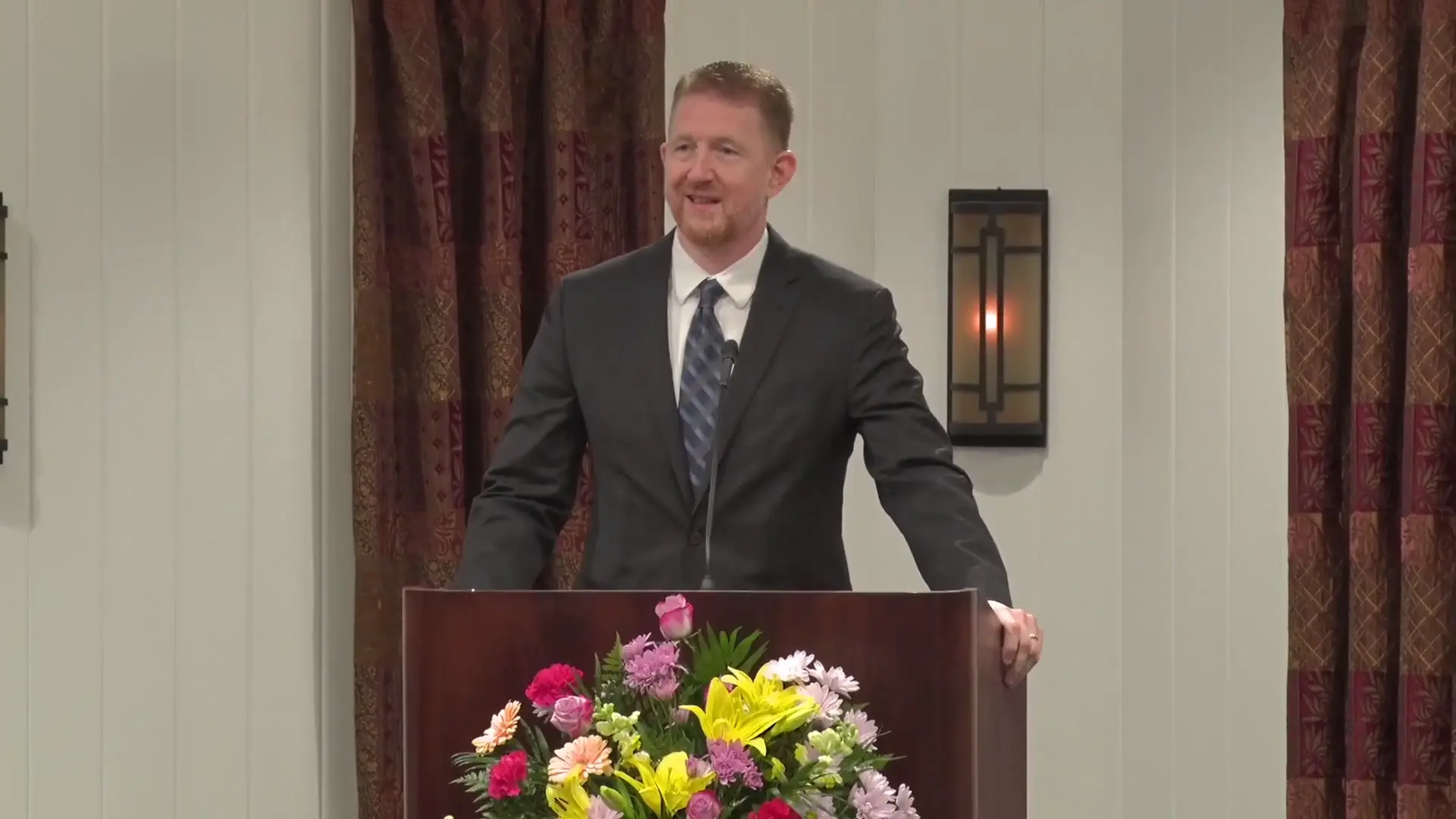
Sermon by David C. GrabbeGod introduces the Ten Commandments by reminding Israel of deliverance from the house of bondage and then commands against idolatry. These forbid worship of any other god or worship of the true God by means of carved images or physical representations. The commands against idolatry are foundational to remaining free. God directly connects the obligation to keep the Sabbath with His deliverance from Egypt. The unstated implication is that the Sabbath too is a foundational part of not becoming re-enslaved. Israel became re-enslaved because of her idolatry and Sabbath-breaking. The cause-and-effect linkage is obvious. Idolatry and Sabbath-breaking are directly linked to slavery. The First, Second, and Fourth Commandments define what takes people away from God and His freedom. Covetousness is idolatry. When desire comes between a person and God, whatever is greatly desired becomes a god and master. Babylon trades in souls and has an enslaving effect through encouragement of covetousness. False prophets entice people from the way God commanded them to walk. This includes serving the true God in a way other than how He instructs. Any deviation from the way God commands corrupts worship. Pictures of Jesus break the Second Commandment because they misrepresent and limit Him. Such representations lead to bondage because truth sets free and any deviation enslaves.

Reflections on the COVID-19 Pandemic
Sermon by David C. GrabbeLessons learned from COVID, as well as possible reasons God allowed or caused the pandemic to sweep through the church and wreak havoc on Feast observance.
Keep Yourself From Idols
Sermon by Martin G. CollinsAn idol is anything in our lives that occupies the space which should be occupied by God alone, anything having a controlling force in our lives.
Conscience (Part 3)
Sermon by John W. RitenbaughLawful behavior with a wrong attitude, motivated by pride, displaying lack of sensitivity to others or lack of wisdom, also constitutes sin.