


Filter by Categories
Living Up to Our Responsibilities
Sermonette by Mark SchindlerGod has entrusted each of us with responsibilities to fulfill His purpose as we prepare for the next step in His plan to develop His Family. If we fail to uphold these responsibilities, we create a void that affects the entire Body of Christ, causing pain and suffering among His elect. Our individual failures to meet these obligations may prolong the challenges we face, as God urges us to live up to our calling in this final stage of preparation. Our job now directly impacts the well-being of the whole church, both physically and spiritually. We must strive to become holy as God is holy, united and in harmony as one complete body. God holds us accountable for one another, making us our brother's keeper, responsible for each other's well-being. When one member suffers, the whole body suffers, and our lack of fervor in overcoming the ways of this world may weaken the effectiveness of our prayers, contributing to the afflictions of those dear to us. We are called to examine ourselves daily, ensuring we do not hold onto accursed things that hinder our path to holiness. To whom much is given, much is required, and God has provided everything we need to succeed. He expects us to show the same sacrificial love for one another within His united body. If we commit to overcoming and becoming holy, we will be pleasing in His eyes, and healing will come as He has promised. Now is the time to confess our faults to God, change our ways, and recommit ourselves with day-to-day fervor to holiness, so that the body may be healed.
How to Be a Bad Disciple
Sermon/Bible Study by Richard T. RitenbaughLooking at discipleship from a negative perspective can help reveal errors in ourselves. Jesus shows four main attitudes that make for bad discipleship in Luke 9.
Each Other (Part Three)
CGG Weekly by David C. GrabbeWe should assemble with the rest of the Body where possible, and the reason the apostle gives is for exhorting others. We cannot exhort if we have withdrawn.
Serving the Brethren Through Prayer
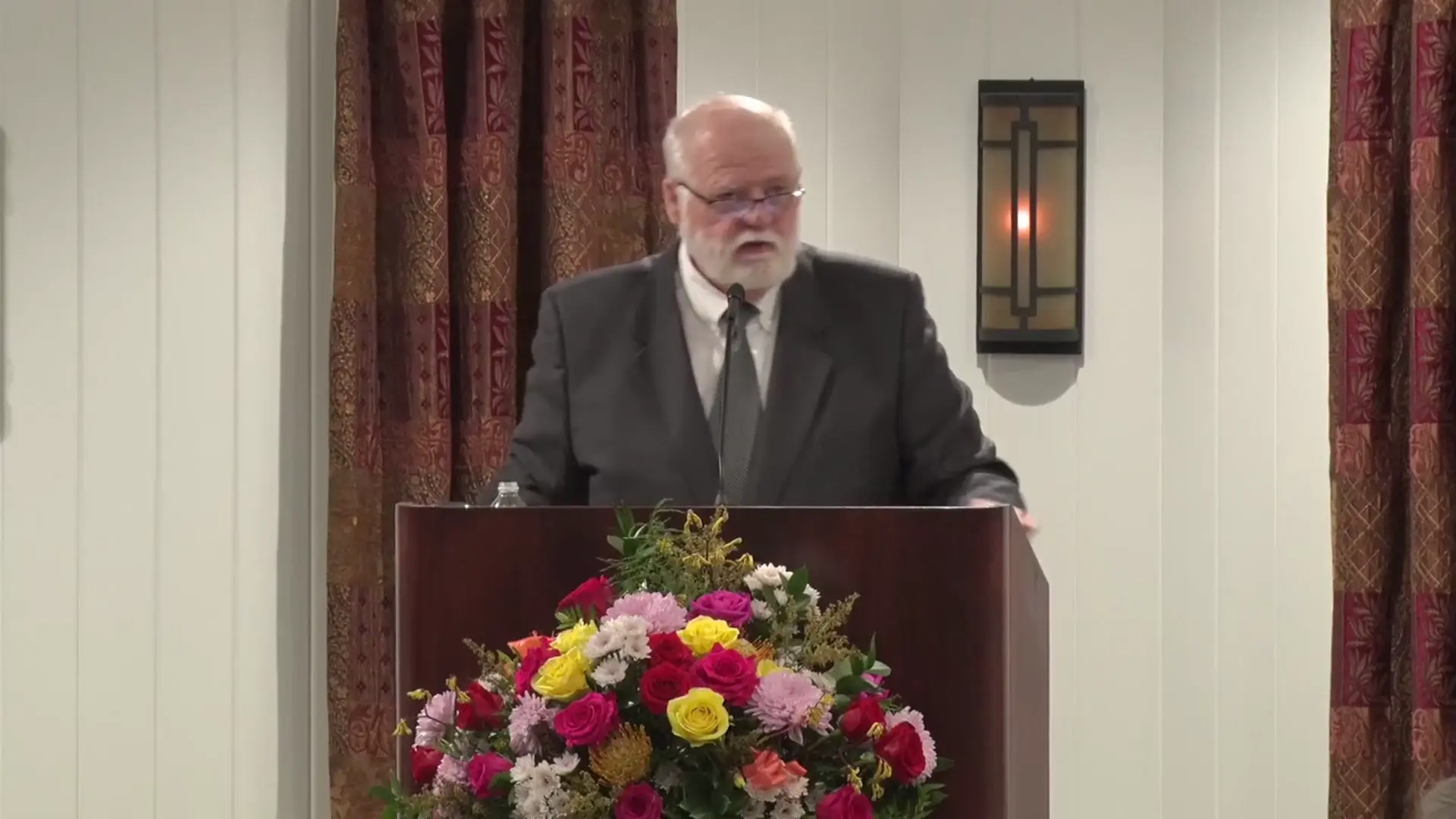
Sermon by Ted E. BowlingBrotherly love functions as a deliberate act of obedience to God's commandments rather than a passive feeling, and it directly reflects God's own nature while serving as the visible proof that believers are true disciples of Christ. This love requires giving preference to one another and transforms relationships within the spiritual family. The New Testament presents the church as one body in which every member is interdependent, so that no individual can claim independence from the rest; each part contributes essential service to the whole, and the gifts given by God exist to strengthen the body rather than to bring personal glory. When love does not accompany those gifts, they become empty and profit nothing. Prayer for the brethren constitutes a central expression of this responsibility. It is an active demonstration of brotherly love that fosters humility by removing bitterness and judgment, unites the body by drawing members out of isolation into shared fellowship, and invites God's power to strengthen the weary and help those facing temptation. Such prayer remains effective even when unseen by others, because God observes every contribution. The same duty extends to praying for those who cause harm, following the pattern of Job whose restoration followed his intercession for his misguided friends and of Jesus who, while on the cross, asked the Father to forgive His executioners. This ongoing obligation to intercede for one another mirrors Christ's continual intercession and fulfills the law of love that defines the true church. By bearing one another's burdens through prayer and service, members grow spiritually, maintain unity, and stand together in the spiritual conflict until the return of Christ.
A Little Leaven
Sermonette by John W. RitenbaughOur individual sins (committed in our thoughts, words, and behaviors) are never isolated, but sadly influence every other member of the congregation.
Money and Balancing Prosperity
Sermonette by John W. RitenbaughJesus taught that personal success must expand beyond individual achievement to encompass responsibility toward others, including the sharing of wealth as a source of benefit for the group. This principle arises from the recognition that no one lives or dies in isolation, as Paul emphasizes in Romans 14:7-9, where none of us lives to himself and whether we live or die we belong to the Lord, who died and rose to become Lord of both the dead and the living. Christ therefore shifted the focus from singular prosperity to interdependence, requiring cooperation and sharing so that personal advancement contributes to the success of the whole. The body analogy in I Corinthians 12 illustrates this reality by showing that each part of the church bears responsibility toward all other parts, making group loyalty essential to prevent self-assertiveness from becoming unbalanced. Such responsibility finds expression in the command to love one's neighbor as oneself and in the call to do all things to glorify God, ensuring that prosperity serves others rather than remaining confined to the self. This enlarged view of success reconciles Old Testament promises of reward with New Testament principles of unselfishness, because true prosperity becomes fruitful only when it flows outward in service.
What Does God Really Want? (Part 4)
Sermon by John W. RitenbaughWe are called to fulfill our job as a steward, entrusted with managing, protecting, preserving, attending, and increasing what has been entrusted to us.
What Is the Work of God Now? (Part Five)
Sermon by John W. RitenbaughNeglecting to feed the flock has been detrimental to preaching the gospel to the world. Because of neglect, members succumb to feeling insignificant.
Every Action Has a Reaction
Feast of Tabernacles Sermon by John W. RitenbaughEvery action has a corresponding reaction; even the little things we do matter. Sin produces increase (the leavening effect) just as righteousness does.
Many Are Called, But Few Are Chosen (Part Nine)
Sermon by Martin G. CollinsThe loyalty of the Laodiceans did not extend far beyond loyalty to self. Loyalty and friendship are inextricably bound together.
The Sacrifices of Leviticus (Part 4)
Sermon by John W. RitenbaughThe meal offering represents the second Great Commandment, love toward fellow man. Our service to others requires much grinding self-sacrifice and surrender.
Ecclesiastes Resumed (Part Three)
Sermon by John W. Ritenbaugh (1932-2023)Solomon emphasized in Ecclesiastes 2 that we should enjoy and derive pleasure from our work. The way that we work is a visible witness of God before men.
The Commandments (Part Nineteen)
Sermon/Bible Study byJesus taught that all outward sin stems from inner inordinate desire. What we desire or lust after automatically becomes our idol.
A Contrast of Kings
Feast of Tabernacles Sermon by Richard T. RitenbaughWe currently have no preparation for our future roles as kings and priests, but God desires to fill thousands of leadership positions in the Millennium.