


Filter by Categories
Image and Likeness of God (Part One)
Sermon by John W. RitenbaughGod, as described, is not an incomprehensible mystery but a Being who has revealed Himself clearly through His Word. He is the author of the Bible, the moving force behind its words, intended for His children to understand Him fully. He asserts that He has form and shape, as evidenced in Genesis 1:26-27, where He states that man is made in His image and likeness, implying a physical resemblance. This is not merely a figure of speech but a direct reflection of His own form, as supported by the consistent use of terms like "tselem," "demooth," and "icon," which denote shape, resemblance, and figure across various scriptures. He is not a vague entity or a mysterious blob, as some might suggest, but a Being with a visible form and an audible voice, as Jesus Christ Himself affirmed in John 5:37. His revelation through His Spirit to His children uncovers the deep things of Himself, making known what was once hidden. He does not lie, as affirmed in Numbers 23:19 and I Samuel 15, for it is not in His character to deceive; He means what He says about Himself. Unlike human perceptions or mythological depictions, His ways and thoughts are exceedingly higher, yet He has provided over 20,000 references in the Bible describing what He is like, what He can do, and what He will not do. He contrasts sharply with human tendencies to project their own characteristics onto Him, as seen in ancient mythologies. Instead, He establishes from the very beginning in Genesis 1 that humanity is made in His image, setting a foundation for understanding His purpose to reproduce Himself in us, so we might ultimately be exactly like Him. His form is not vaporous or temporary but solid and real, as demonstrated by Jesus Christ after His resurrection, teaching that a spirit being's body, including His own, has flesh and bones, though not of earthly composition. Thus, He consistently affirms through His Word that He possesses a definite form and shape, directly challenging any notion that He lacks a body or is beyond ordinary comprehension.
Image and Likeness of God (Part Two)
Sermon by John W. RitenbaughGod is revealed with form and shape, resembling a man, as consistently shown throughout biblical accounts. He is not an incomprehensible essence or a vague mystery but has tangible qualities of a body, such as shape, size, and resistance to force. In various encounters, such as with Abraham, Moses, the seventy elders, Gideon, Manoah and his wife, Job, Isaiah, Amos, and others, God appeared as a man, possessing feet, a voice, a face, a waist, hands, and a back, engaging in human-like actions like eating and conversing. Even in His glory, as seen by Moses and during Jesus Christ's transfiguration, His form remained that of a man, solid and recognizable, not a ghost or vapor. Jesus Christ, after His resurrection, emphasized His corporeality by showing He had flesh and bone, affirming His substance and tangibility to His disciples. He was restored to the glory He had before the world was, returning to a spirit-composed body with the same shape and form He had as the model for Adam. The Bible indicates that the redeemed will see God's face in the kingdom of God, where He does not need to disguise Himself or use figures of speech, confirming He retains a recognizable human-like countenance. God's revelation of Himself is clear and simple, intended for understanding, not shrouded in mystery. His word portrays Him with bodily form and parts, not as a spiritual nothing, whether walking the earth, participating in events, or seen in heaven. This consistent depiction extends to natural revelation, where even the unconverted can comprehend aspects of His power and nature through visible creation, particularly in humanity being made in His image and likeness, reflecting His bodily form and shape.
God the Father (Part 1)
Sermon by Martin G. CollinsGod the Father, though largely unknown to the world, is deeply involved in His plan to bring many sons to glory through Jesus Christ. He personally regenerates His saints and was essential to the success of Christ's sacrifice and resurrection, continuing to actively raise His children. He, along with Jesus Christ, promises to keep and preserve His people with their power. Despite the world's unawareness, the knowledge of God the Father is a gift to His church, contrasting sharply with the blindness of humankind to His true nature and plan. God the Father is revealed through Jesus Christ, who came in human flesh to fully declare Him to His called and chosen people. He has purposely hidden His identity from the world while revealing it to His church, deciding with Jesus Christ who will know Him. The tenderness of His Fatherhood, filled with love and grace, is central to Christ's message and is of the very essence of the Godhead, with love being the main attribute of God the Father. God the Father and Jesus Christ form the Godhead, two Beings in total agreement and of one purpose, as seen in prophetic visions and confirmed in Scripture. They are distinct yet unified, with God the Father as the highest authority, creating all things through Jesus Christ. Before anything else existed, God and the Word, who became Jesus Christ, coexisted as Supreme Beings, both creators working in harmony. God the Father is Spirit, without physical or measurable form, yet possessing a form and shape reflected in humanity, made in His image. His appearance, if manifested, would be glorious, with a face bright as the sun and eyes like flames of fire. He cannot be confined to one place or represented by material idols, demanding pure, holy, and spiritual worship. God the Father is immutable and changeless, perfect in character, will, purpose, and aim. His counsel is unbreakable, ensuring that His truth and laws remain constant, providing hope and confidence to His people. His perfection is unchanging, and He is not subject to emotional impulse or alteration in His plans, establishing truth as a steadfast foundation. God the Father, as the moral Ruler and supreme Judge, pronounces Himself against sin from eternity to eternity, balancing His fatherly grace with righteous judgment. He offers salvation and eternal life through Jesus Christ, revealing His teachings and example. His Fatherhood embodies selfless love, forgiveness, and sincere communication, representing the ideal of perfection for His children to seek.
Image and Likeness of God (Part Four)
Sermon by John W. RitenbaughGod is described as Spirit, a term derived from the Hebrew ruach and the Greek pneuma, both denoting an invisible force or power, much like wind or air, which is real and has substance even though it cannot be perceived by the unaided human eye. The ability to perceive spirit beings is not natural to humans but must be given, as illustrated when Elisha's servant was granted sight of the spiritual army surrounding them, and when Paul alone was enabled to see and hear Christ on the road to Damascus while his companions could not. Scripture consistently affirms that God possesses a literal body, being made in whose image mankind is formed—complete with features such as hair, eyes, hands, and a face. The many figures of speech used of God do not deny this bodily reality; rather, they presuppose it, since a figure of speech must have something real behind it. If such descriptions were merely figurative without any literal basis, no scripture could be trusted to mean what it says. God's body, unlike man's mortal flesh and blood, is composed of spirit, and is immortal, perfect, and self-existent. Because He has a body, God is not omnipresent in a bodily sense; He exists in one place at one time, consistently shown sitting, standing, walking, eating, and working from a specific location—namely heaven, from which Christ is said to sit at His right hand, and to which Christ instructed believers to direct their prayers. Despite this bodily limitation, God is able to be present everywhere through union rather than physical presence. This oneness is expressed through the biblical use of the word "in," which frequently signifies "in union with" rather than physical indwelling. Christ's statements that He is "in" the Father and the Father "in" Him, and that believers are "in" Christ as He is "in" them, describe a relationship of shared mind, purpose, and will—not a literal merging of bodies. Such union is built through relationship, memory, shared experience, and the internalization of God's word, which Christ described as spirit and life. The closer one's relationship and experiences with God, the stronger and more real this sense of presence and union becomes. This capacity for union is not exclusive to God; it can also occur with evil influence, as seen when Satan entered Judas, illustrating that as union with one strengthens, union with the other weakens. Human beings possess the choice of with whom they will be in union—God or Satan—and this choice determines their spiritual direction. Ultimately, the goal of divine revelation and conversion is for humanity to become one with the Father and the Son through truth, obedience, and relationship, culminating in complete unity within the Kingdom of God.
A God of Many Dimensions
CGG Weekly by Richard T. RitenbaughGod has 'soft' virtues, which most churches proclaim loudly and often, and 'hard' ones, which get little attention. God has having a range of character traits.
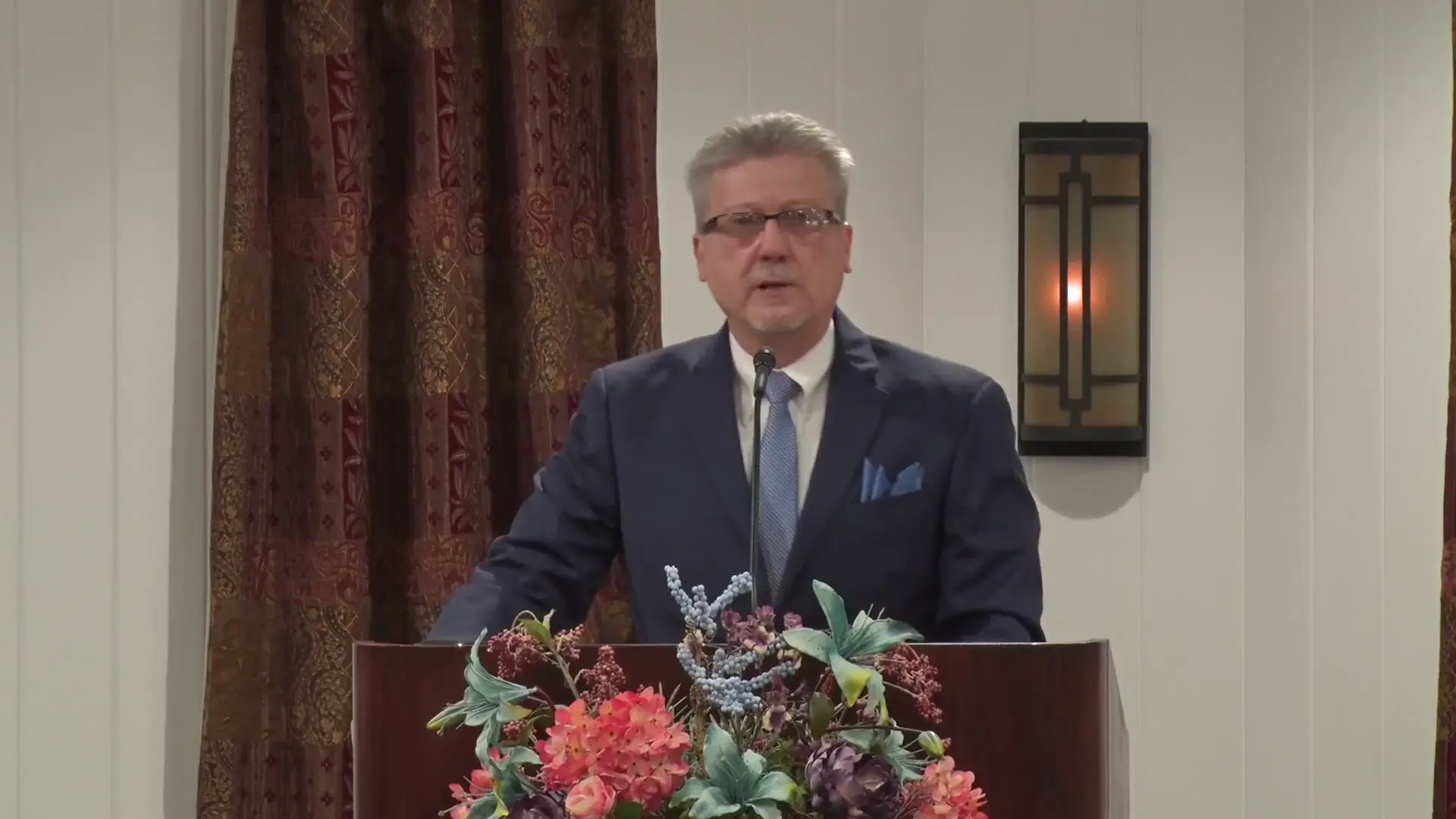
God's Throne
Sermon by Richard T. RitenbaughSolomon's opulent throne pales miserably in comparison to God's heavenly throne, surrounded by angelic beings, demonstrating the perfection of His government.
The All-Important Introduction to Revelation
'Prophecy Watch' by Richard T. RitenbaughSkipping the first chapter of Revelation deprives us of vital information necessary for understanding the rest of the book.
From Dust to Glory
Feast of Tabernacles Sermon by Clyde FinkleaAs our sanctification process comes to full term, we will see our Creator as He is, having attained the same glorified state.
The Two Witnesses (Part One)
Sermon by Richard T. RitenbaughGod wants us to recognize prophecies as they occur or shortly afterward. To cling to an interpretation before the events happen leads to missing vital details.