


Filter by Categories
Unity (Part 2): God's Pattern of Leadership
Feast of Tabernacles Sermon by John W. RitenbaughThe fallibility of God's representatives is evident as they are not sinless or infallible. Moses had a temper he needed to control, David had well-known issues, and Jeremiah struggled with his nature. Even Herbert Armstrong faced challenges with his nature, yet this did not alter his role as God's chosen representative. These examples demonstrate that God's servants have weaknesses, but God can still use them effectively for His purposes.
Unity (Part 1): God and HWA
Feast of Tabernacles Sermon by John W. RitenbaughA major cause in the splitting of the church has been the wholesale rejection of the doctrines Herbert Armstrong, under God's inspiration, restored.
Unity (Part 3): Ephesians 4 (A)
Feast of Tabernacles Sermon by John W. RitenbaughFallibility is acknowledged within the church, as it is recognized that we do things out of ignorance and weakness. Despite these human shortcomings, the focus remains on God's choice and His faithfulness to His established patterns, rather than on the infallibility or sinlessness of any individual.
Does Doctrine Really Matter? (Part Ten)
Sermon by John W. RitenbaughHuman fallibility stands in direct contrast to the unchanging nature of God and His Word. While God declares that He changes not and that every good and perfect gift comes from above with no variableness or shadow of turning, human nature proves volatile and self-directed. People readily trust in themselves that they are righteous, allowing their judgments to become skewed whenever biblical truths require personal sacrifice or discomfort. This tendency leads individuals to reject portions of God's eternal teachings in favor of their own opinions, justifications, or lies that avoid the cost of obedience. The pattern appears consistently across history. Ancient Greeks researched God's creation yet turned to their own views. Israelites in the wilderness and after Joshua's death did what was right in their own eyes rather than follow divine directives. Pharisees in Jesus' day despised teachings that challenged their self-trust. Even after conversion, some in the early church retained Gnostic elements instead of fully disengaging from prior philosophies, while later members of the Worldwide Church of God accepted massive doctrinal shifts of similar origin. This fallibility opens the door to deception through floods of appealing yet twisted words on moral and spiritual subjects. It permits selective acceptance of truth and fuels doctrines that separate inner spirituality from material conduct, leaving individuals without authoritative guidance. In every case, the result is the same: humans drift from the narrow way clearly spelled out in Scripture, demonstrating that only wholehearted reliance on God's infallible Word counters the innate human propensity to chart an independent and ultimately destructive course.
Think Soberly (Part Two)
Sermon by Mark SchindlerNo one has ever appointed themselves into a position in God's family. God's appointment is a prerogative reserved by Him alone.

Azazel: Observations and Questions
Article by Pat HigginsDoctrinal changes after decades of believing differently can raise questions. God reveals truth by His Spirit on His timetable and for His own reasons.
No One Else Matters (Part One)
Sermon by Richard T. RitenbaughEvery man is fallible. Every man has flaws. Every man has sins. If we forget that or expect too much perfection, too much righteousness, we are going to be disappointed and it is going to undermine our faith, our trust. Humans are finite, humans are flawed. They will pass away.
Knowing God: Formality and Customs (Part One)
Sermon by John W. RitenbaughFallibility surfaces specifically in the discussion of Herbert Armstrong's role as God's end-time apostle, who was raised up to re-establish the doctrines, customs, policies, and procedures of the Church of God after they had been lost. His work in setting guidelines for the church's relationship with God was developed through years of trial and error, always seeking what would best serve God's purposes. Importantly, it is stated plainly that this does not mean Armstrong was infallible; his teachings and decisions can and should be checked against Scripture. Yet his overall reliability is described as remarkably high, with a "batting average" estimated at around ninety percent rather than merely one-third. This acknowledgment of fallibility is placed within a larger framework of respect and accountability: because Christ told His apostles that rejecting them was equivalent to rejecting Him and the Father, the words of an end-time apostle carry weight that reverberates back to God Himself, even though the apostle himself was not perfect. This theme of human fallibility connects to the broader discussion of holiness, sin, and the fear of God. Sin itself is defined as missing the mark, falling short of God's standard, and turning aside from His glory—an inherent tendency of human nature to degenerate from what has been given. This tendency is illustrated in the warning against the "liberal," who is generous to himself rather than to others, refusing to discern the spirit and intent of God's word and thereby granting himself permission to sin when explicit instructions are absent. Such a person's heart is not truly seeking correction in righteousness but is instead setting his own fallible standard in place of God's. The call to "stand fast" and "keep on clinging to the traditions" taught by the apostles is presented as a necessary corrective to this natural human drift toward compromise and self-justification. Even godly men used mightily by God, like Armstrong, are fallible and subject to review, yet the traditions and standards they established—rooted in scriptural principles—remain valuable precisely because they were tested against the purpose of producing the most good toward God's purposes. Ultimately, the treatment of fallibility reinforces the central message that our security and standard of truth cannot rest in human perfection, whether our own or that of any teacher, but in a right relationship with God Himself. Because human beings, including faithful leaders, are fallible, believers are urged to verify teachings against Scripture rather than accept them uncritically, while still honoring the legitimate authority and substantial accuracy of those God has used. This balance—respecting apostolic guidance while recognizing its imperfection—models the broader theme of the sermon: that true holiness and honor before God require humility, self-examination, and a rejection of the self-serving reasoning that excuses human shortcomings rather than striving to conform to God's perfect standard.
Prophecy Fails
Sermonette by Richard T. RitenbaughHuman understanding of unfulfilled prophecy remains highly speculative and subject to change because it originates from fallible men rather than direct revelation. Even when guided by God's Spirit, teachers and students alike operate with partial knowledge and cannot speak with certainty beyond the explicit statements of Scripture itself. Herbert Armstrong grasped the overall framework of prophecy yet offered predictions and timings that have not materialized, demonstrating that his specific prognostications constitute expert opinion rather than infallible truth. Rigid attachment to every detail of such human formulations risks rendering the church obsolete, much as other groups have become fixed in outdated patterns while the world moves on. Scripture reinforces this limitation by declaring that prophecy never arose from private human impulse but from the Holy Spirit, so its certainty rests solely on God while its interpreters remain liable to error and incomplete insight. Prophetic language is deliberately symbolic and obscure, ensuring that full comprehension awaits future fulfillment. Consequently, believers are urged to watch current events rather than rely on prior conclusions, acknowledging that even the apostle Paul knew and prophesied only in part. This recognition of fallibility redirects attention from speculative prophecy to the enduring priorities of doctrine and Christian living, where divine judgment will examine obedience to the commands to love God and neighbor.

Ecclesiastes Resumed (Part Thirty-Six): Ecclesiastes 10:5-11
Sermon by Richard T. RitenbaughCause and effect relationships will always cause multiple metaphorical dominoes to fall. Similarly, sin never occurs in a vacuum but will continue to ripple.
The Five Warnings of Hebrews
Sermon by John W. RitenbaughThe modern church stands in danger of allowing salvation to slip away. Hebrews gives warnings to help us turn our lives around so we do not fall short.

Ecclesiastes Resumed (Part Thirty-Seven): Ecclesiastes 10:12-19
Sermon by Richard T. RitenbaughAs teachers, we are all burdened with an unholy tongue, but we need to rule it to produce only holy speech. Ecclesiastes 10 focuses on a leader using gracious speech.
Joshua's Four Miracles (Part Two)
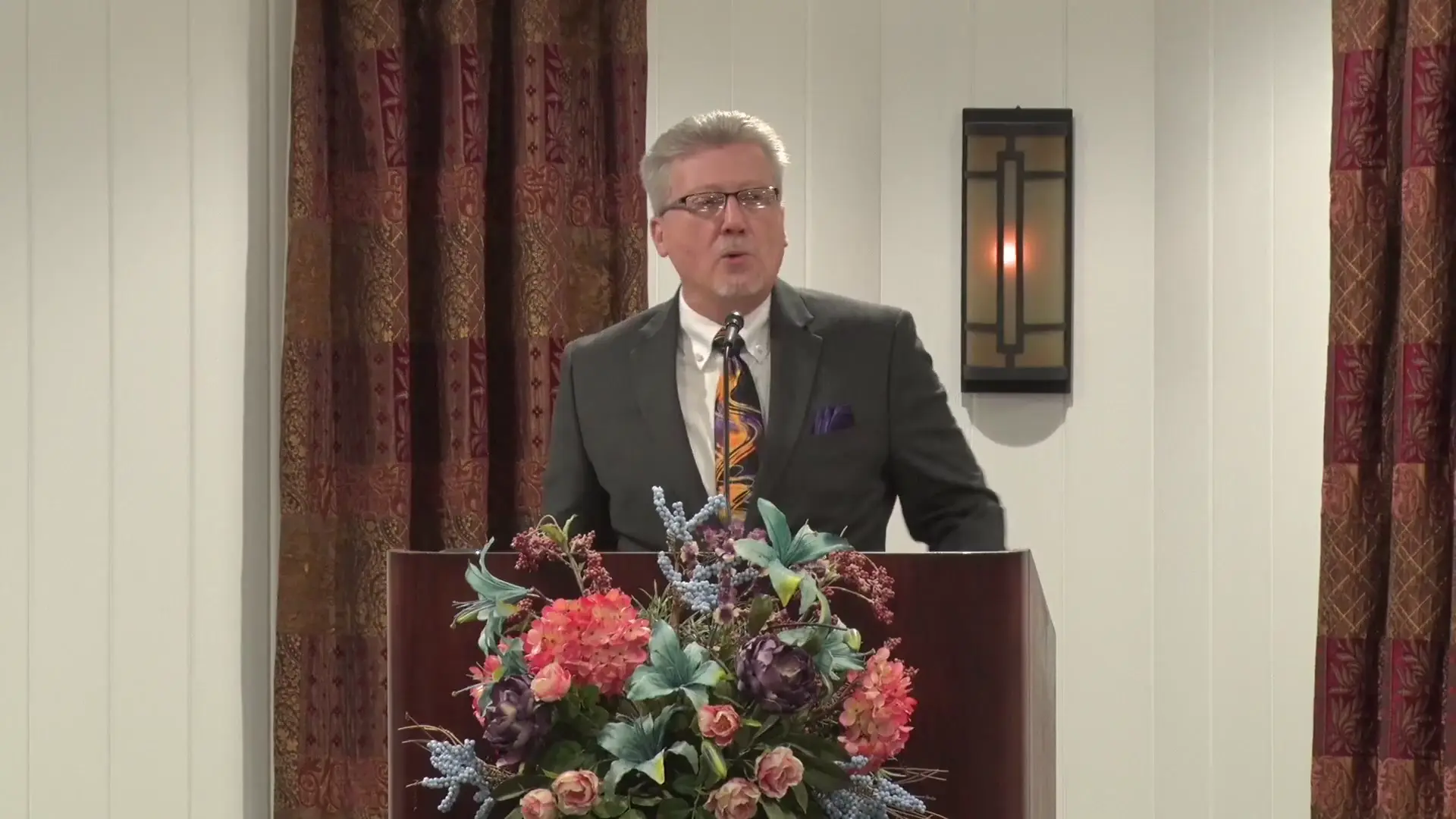
Sermon by Richard T. RitenbaughThe life and leadership of Joshua provide a metaphor for the Christian journey following baptism, a path marked by spiritual warfare, growth, and trust in God.

The Christian Walk (Part Three): In Wisdom
Sermon by Richard T. RitenbaughGod wants us to take our salvation seriously, walking in love, light, and wisdom, attaining the know-how to work out our own salvation, redeeming the time.
Devil in the Details?
CGG Weekly by David C. GrabbeA mysterious commentary has been used and repeatedly re-quoted as a proof that the azazel goat represents Satan. This source warrants closer inspection.
Did Christ Build the Church on Peter (Matthew 16:18)?
Bible Questions & AnswersThe key to understanding Matthew 16:18 lies in the correct translation of the Greek words rendered 'Peter' and 'rock.' Jesus Christ is the Rock.