


Filter by Categories
The Great Con
Sermonette by Bill OnisickAll individuals who have been duped into con schemes have the same perennial weakness: to be self-sufficient and to get something for nothing.
The Beatitudes, Part Two: Poor in Spirit
'Personal' from John W. RitenbaughBlessed are the poor in spirit, for theirs is the Kingdom of Heaven. This profound declaration by Jesus Christ introduces a spiritual quality essential for every follower. To be poor in spirit does not refer to economic destitution but to a deep recognition of spiritual need, a state of utter dependence on God for enrichment in true spiritual things. It spans the entire spectrum of human circumstances, as even the wealthiest can be spiritually impoverished if they lack a right relationship with Him. This poverty of spirit is not a natural trait but a work of God's Holy Spirit in those He calls and converts. It mirrors the economic poor's awareness of their need, yet it differs vastly, focusing on spiritual helplessness. Like David, who saw himself as destitute of resources to improve his spiritual lot and cried out to God for help, those poor in spirit recognize their inability to achieve spiritual vitality without divine assistance. Jesus connects "poor" with "spirit" to clarify that this quality is not about material lack but about an inner humility and reliance on God. It stands in stark contrast to self-exaltation or a haughty, self-sufficient disposition that the world often admires. A person poor in spirit realizes they are nothing, have nothing, can do nothing, and need everything from Him, acknowledging that without Christ, they can achieve nothing. This attitude paves the way for becoming a new creation in God's Kingdom, where the blessing of inheriting the Kingdom is both a present reality and a future certainty. Those who embody this spiritual poverty gain God's approval and are blessed with His favor, far beyond mere happiness, as they meet the high standards set by Jesus in His teachings.
Poor in Spirit (1997)
Sermon by John W. RitenbaughBeing poor in spirit is a foundational spiritual quality, essential for a relationship with God and for attaining the abundant life He desires for us. It is not about financial poverty but a recognition of spiritual lack, a deep awareness of one's need for God's provision in every aspect of life. Jesus lists this quality first among the Beatitudes, emphasizing its importance as the trigger for all other good qualities in a Christian's life. Those who are poor in spirit understand their spiritual destitution and cry out to God to supply their needs, rather than relying on worldly solutions or material wealth. This state of mind is not a product of human nature but of God's workmanship, driving us to seek Him with all our being. It contrasts sharply with the attitude of the spiritually rich, who feel self-sufficient and do not recognize their need for God, often focusing on worldly values and self-righteousness. Being poor in spirit breaks pride, motivates change, and fosters a dependence on God, as illustrated by the Prodigal Son, who, upon realizing his poverty, turned to his father for help. God focuses His attention on those who are poor in spirit, promising to lift them from affliction and provide for their needs, both spiritual and physical. This quality is linked to fasting, a spiritual exercise that mirrors physical lack to highlight spiritual need, encouraging us to feel our dependence on God's vast spiritual stores. Ultimately, being poor in spirit is a state of blessedness, opening the way to the Kingdom of Heaven and true unity with God.
Children of the Light
Sermon by Clyde FinkleaBlessed are the poor in spirit, for theirs is the kingdom of heaven. This character trait reflects an attitude of honest humility, evident in how we treat others. It stands in opposition to pride, haughtiness, and arrogance. Without a humble spirit, true repentance is impossible, and this humbleness precedes grace and inheritance into the Kingdom of God. Blessed are those who recognize their spiritual poverty and mourn that condition. This mourning is not merely for personal loss but for the sinfulness that causes suffering. It changes how we view ourselves and those around us, marking a deep sorrow for the evil and sinful acts in the world. The blessing rests upon those who mourn regarding sin, distinguishing them as children of the light.
On Self-Righteousness
CGG Weekly by John W. RitenbaughThe recognition of spiritual poverty is vital in overcoming self-righteousness, a sin that lies at the root of many others. The tax collector in Luke 18:9-14 exemplifies this by acknowledging his spiritual poverty, approaching God with a plea for mercy, aware that he has nothing of spiritual value to offer. In contrast, the Pharisee boasts of his accomplishments, blind to his own spiritual lack, believing he deserves praise. Being poor in spirit, as highlighted in Matthew 5:3, is the first virtue leading toward the Kingdom of God, for it involves realizing one has nothing of good spiritual quality to offer Him, thus eagerly seeking His counsel to glorify Him. Further insight into spiritual poverty is seen in Luke 7:36-48, where the sinful woman, aware of her many sins, pours out love on Jesus Christ, recognizing her indebtedness to Him for revealing her spiritual poverty. Unlike the Pharisee, who is blind to his own spiritual state and does not acknowledge any need for forgiveness, she acts not to gain forgiveness but out of gratitude for it. Self-righteousness, rooted in spiritual ignorance, prevents one from truly knowing God and appreciating the depth of one's spiritual need compared to His righteousness. True spiritual richness comes from this awareness, as Paul in Philippians 3:3-8 counts all personal achievements as rubbish compared to the knowledge of Christ, urging a deeper comprehension of the spiritual differences between oneself and God.

Blessed Are: Summary
Sermon by Richard T. RitenbaughIn the Beatitudes in Matthew 5, Jesus exposes the depths of His own heart, while demonstrating the deficit of our own carnal hearts.
Entrance Exam
CGG Weekly by Mike FuhrerOnly a relative few can meet God's standards because they are extensive and demanding. This fact is one reason 'many are called, but few are chosen.'

The Poor in Spirit
Sermon by Richard T. RitenbaughNothing that we could ever do could impress God, except for our contrition, acknowledgment of our infirmity, and remorse for our sins which displease God.
God's 'Heart Measure'
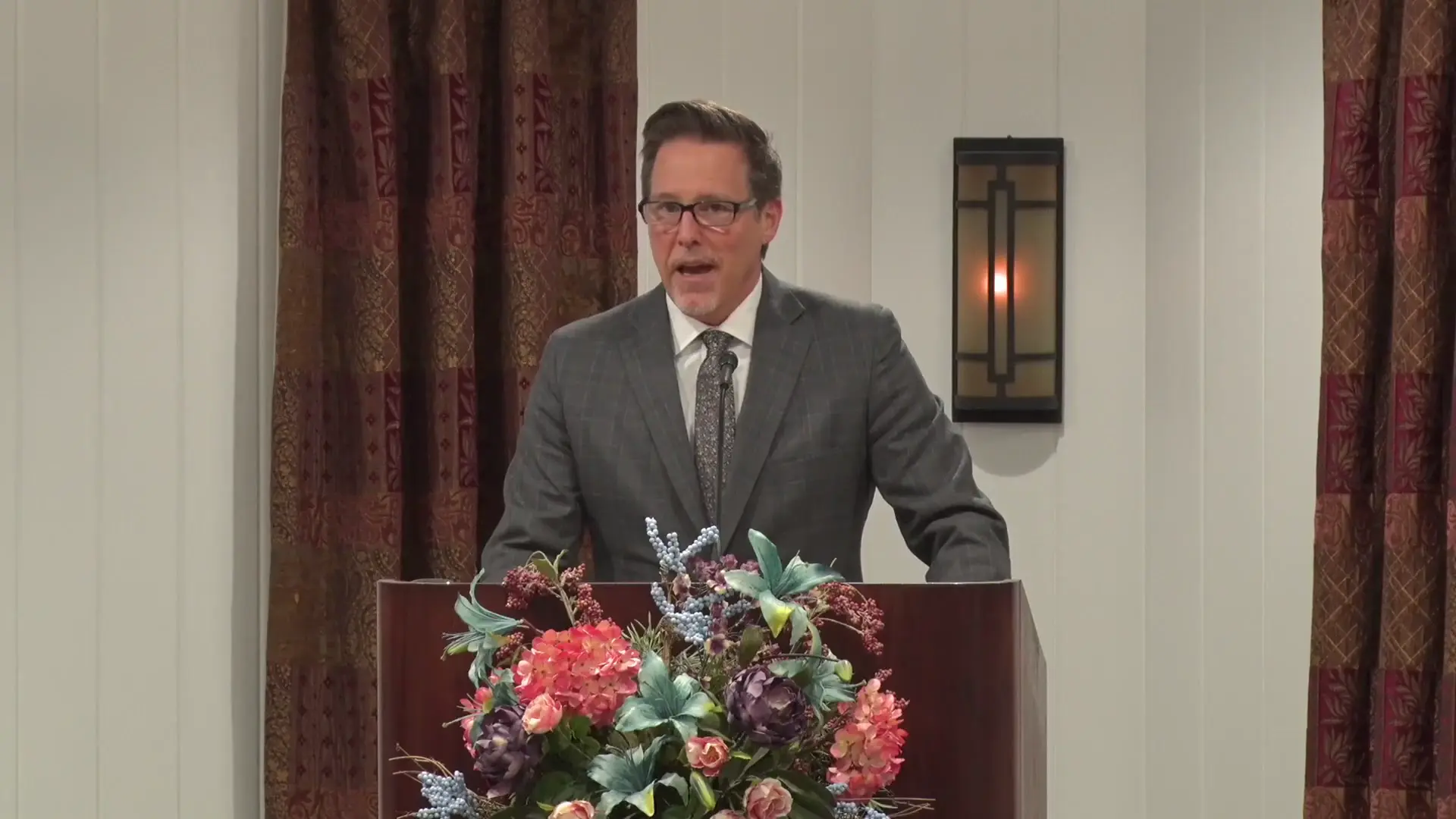
Sermon by Bill OnisickOnly those who are poor in spirit will be in God's Kingdom. Being poor in spirit has nothing to do with finances. Jesus uses a play on words here with an adjective most often associated with the physical to describe something spiritual. He uses the Greek adjective to describe our underlying spirit that is translated rather poorly as poor. It is Strong's 4434, ptochoi, and it carries a much more severe meaning than the English word poor. The real meaning here is someone that is a beggar, a pauper, completely destitute, helpless, wretched, and powerless. Jesus is saying that blessed are those who understand they are spiritually bankrupt and spiritually destitute. Blessed are they who come to understand that we have earned nothing of spiritual value. To be poor in spirit is a product of God's Spirit working in those He has called and those He is creating in Christ Jesus. When we are poor in spirit, we know that we never come even close to doing everything God commands. Every single day we fall short in our heart. The poor in spirit know that we are unprofitable servants in the eyes of God. When we compare our heart to God's holiness, we become very poor real quick, bankrupt, destitute in spirit, and this creates an underlying heart of humility. It all starts with a proper comparison between our hearts and God's heart, and this underlying attitude of failing to measure up flows over to our relationship with everyone else. When we are poor in spirit, we are restrained from thinking badly about anyone else. When we are poor in spirit, we esteem others better than ourselves. Poor in spirit is the foundation. It is internal between us and God. Poor in spirit and humility are attitudes in our heart that constrain our self-focus and promote an other-focused attitude that drives us to want to submit to them, to esteem them better than ourselves. Being poor in spirit, humble, meek, and lowly in heart are interconnected sequential attitudes that stem from first recognizing our spiritual destitution before God. Poor in spirit is the foundation. It is internal between us and God. And while meekness then is the outward expression of that, it is gentleness, kindness, and patience toward others. First, we must become poor in spirit. Poor in our hearts. God in His mercy calls us, the unworthy sinner, and we know that we are unworthy. And so, this is between us and God. And we must first recognize our complete and utter spiritual bankruptcy, our total dependence on God's mercy as we put on His yoke and His enabling Holy Spirit. Second, that poverty of spirit between us and God then fuels our humility or lowliness in our internal state of our heart. It is an accurate but very low estimate of ourselves in comparison to God's greatness, and this then spills over into our relationships with each other.

Who Do You Trust? (Part Four): You Shall Soar Like Eagles
Feast of Tabernacles Sermon by Mark SchindlerEven Hezekiah, more righteous than any other king, stumbled. But Almighty God is always ready to pick us up, enabling us to soar like eagles.
Is the United States a Christian Nation? (Part Six)
Sermon by John W. Ritenbaugh (1932-2023)The belief that America was or is a Christian nation cannot be supported by the facts. The world, governed by Satan, hates Christ's true followers.
An Ounce of Prevention
Sermonette byPoverty and destruction are the products of neglect. Preventative maintenance will help us whether we deal with physical or spiritual problems.
Ecclesiastes and Christian Living (Part Five): Comparisons
'Personal' from John W. RitenbaughSolomon provides these comparisons to indicate the choices we should make to live better lives in alignment with God, even in an 'nder the sun' world.
Why Do Bad Things Happen to Christians?
Article by StaffOf all people, one might think, Christians should be the most blessed, yet they often fall under heavy trials. Why does God allow this? What is His purpose?
Prosperity: What Is True Wealth?
Feast of Tabernacles Sermon by Martin G. CollinsNew Testament examples reverse the Old Testament emphasis, focusing instead on upon the wealth of spiritual character, salvation, and eternal life.
The Providence of God (Part Six)
Sermon by John W. RitenbaughA spiritual Israelite undergoes a metamorphosis in which his own self-centered will is broken so that God's creative work can be completed within him.
The World, the Church, and Laodiceanism
Booklet by John W. RitenbaughLaodiceanism is the attitude that dominates the end time. It is a subtle form of worldliness that has infected the church, and Christ warns against it strongly.
Increased With Goods
Sermonette by James BeaubelleThe Laodicean congregation had a penchant toward materialism, which sidetracked them from their primary goal of following Christ.