


Filter by Categories
Are We Laodiceans?
CGG Weekly by Pat HigginsIn the prevailing Laodicean attitude of God's church, there exists a critical need for awareness of our spiritual state. As Laodiceans, if we fail to rouse ourselves to open the door to Christ at every opportunity, He will make one last attempt to rescue us through the fire of tribulation. Christ expects His future bride to love Him with the same zeal and passion as He loves us, having suffered torture and crucifixion so we could be His Bride. We must acknowledge before God and Christ our need for everything, recognizing how much we require Their intimate involvement in the details of our lives. During our day, we can demonstrate our desire to walk with Them and build the relationship by opening the door to Their presence at every opportunity. Repenting and zealously increasing our contact with Them is the solution to overcoming our Laodicean tendencies.
Living by Faith and Humility
'Personal' from John W. RitenbaughAn honest awareness of need is a vital foundation for living by faith. This awareness begins with a self-evaluation that reveals our utter dependence on God, both physically and spiritually. In the Christian sense of humility, a person does not deem himself worthless due to sin alone, but because he is a mere creature, possessing nothing intrinsically good and needing to receive all spiritual virtues from God. This poverty of spirit, as highlighted in Matthew 5:3, is the diametric opposite of pride's arrogance and self-sufficiency, recognizing one's destitution in terms of the Holy Spirit and the inability to become like God without His help. Such awareness leads to humility, a fruit of realizing complete dependence on God, where one sees himself as nothing and knows his proper place is in submission before Him. This recognition of need, coupled with a desire to glorify God, empowers the called-out one to live by faith, drawing spiritual strength from Jesus Christ, who gives grace to the humble. Throughout Scripture, figures like David, Isaiah, and Paul express this desperate need when comparing their humanity to God's holiness, while Jesus Himself openly declared His dependence on the Father, setting an example of perfect submission. God responds favorably to this awareness of need, as true humility attracts His attention and glorifies Him through the way one lives. He values humility highly, promising forgiveness and the hearing of prayers to those who humble themselves, as seen in II Chronicles 7:14. This constant awareness of need, supported by the fear of God, helps neutralize pride and fosters a relationship with Him built on righteousness, kindness, and humble fellowship.
Living By Faith: Humility
Sermon by John W. Ritenbaugh (1932-2023)The awareness of need is a critical foundation for living by faith, as it reveals our profound dependence on God. This realization begins with an honest self-evaluation against His supreme character, holiness, and righteousness, exposing our spiritual poverty. We are utterly destitute of virtues valuable to eternal life and lack the power to become like Him without His intervention. As Hebrews 4:11-13 emphasizes, nothing is hidden from His sight, and all things are open to Him to whom we must give account, magnifying our need for His grace and guidance. This poverty of spirit, as described in Matthew 5:3, is not about physical lack but a spiritual recognition of our inadequacy compared to God's perfection. It is the opposite of pride, which resists Him, and instead fosters humility through an understanding of our complete reliance on Him for every breath and spiritual strength. David, in Psalm 40:17, exemplifies this attitude, declaring himself poor and needy, yet confident that God thinks upon him and lifts up the humble. The awareness of need is further illustrated through biblical examples like the tax collector in Luke 18:13-14, who, in recognizing his sinfulness, humbly sought God's mercy and was justified. Similarly, the prodigal son in Luke 15:17-21, upon seeing his unworthiness, returned to his father with a contrite heart, seeking to be made like a servant. Solomon, in I Kings 3:6-9, acknowledged his limitations as a little child before God, asking for an understanding heart, which led to divine blessings. Isaiah, in Isaiah 6:1-5, upon seeing God's holiness, declared himself undone and unclean, yearning to be changed into His likeness. Paul, in Philippians 3:3-9, counted all his earthly achievements as rubbish compared to the excellence of knowing Christ Jesus, recognizing his need for righteousness through faith in Him. Deuteronomy 8:1-3 shows how God humbled the Israelites in the wilderness to teach them dependence on His word, not just bread alone. In II Chronicles 12:5-12, impending doom led Rehoboam and the leaders of Judah to humble themselves, resulting in God's mercy, though not without consequences, to learn submission. This awareness of need drives us to humility, a deliberate choice to submit to God, as commanded in James 4:6-10. It is not natural but must be cultivated through contact with Him and His Spirit, leading to a right relationship where we see ourselves as totally dependent. This realization, as I John 5:4-5 suggests, fuels our faith, enabling us to overcome the world through belief in Jesus as the Son of God, who empowers us with His grace given to the humble.
The Great Con
Sermonette by Bill OnisickAll individuals who have been duped into con schemes have the same perennial weakness: to be self-sufficient and to get something for nothing.
Seek My Face
Sermonette by Ryan McClureGod turns His face away from those who have committed sin. Our entire spiritual pilgrimage is a quest to see God's face in full splendor (Revelation 22:1-5).
'He Who Has an Ear, Let Him Hear . . .'
CGG Weekly by David C. GrabbeA man with myopic judgment will take the good times he has as evidence of God's pleasure, and conclude that the bad times must be caused by Satan's persecution.
Praying Always (Part Six)
Article by Pat HigginsJesus' command to pray always contains the advice Christians need to strengthen their relationships with God as the return of Christ nears.
Fasting and Reconciliation
CGG Weekly by John W. RitenbaughFasting makes us feel helpless and weak, producing humility. Only then will we listen with the intensity needed to believe, repent, and submit to God.
The Sovereignty of God: Part Nine
'Personal' from John W. RitenbaughGod's sovereignty seems to imply that prayer is pointless. Yet the function of prayer is not to change God's mind, but ours!
The Role of the Outcasts (Part One)
CGG Weekly by David F. MaasWhy does God carve out a special role for rejects, off-scourings, and castaways? Are there characteristics of outcasts and 'undesirables' that we should copy?
The Beatitudes, Part Two: Poor in Spirit
'Personal' from John W. RitenbaughWhat is it to be poor in spirit? This attribute is foundational to Christian living. Those who are truly poor in spirit are on the road to true spiritual riches.
Poor in Spirit (1997)
Sermon by John W. RitenbaughBeing poor in spirit is a foundational spiritual state for qualifying for God's Kingdom. Poor in spirit describes being acutely aware of one's dependency.
Ecclesiastes Resumed (Part Fourteen)
Sermon by John W. RitenbaughSolomon ruminates about life being seemingly futile and purposeless. A relationship with God is the only factor which prevents life from becoming useless.
Christ's Vital Final Warning to His Church
Sermon by Mark SchindlerWe must be careful in our approach to our spiritual riches so we do not fall into the same trap that people with abundant physical wealth fall.
Considering the Day of the Lord
Sermonette by David C. GrabbeThe ancient Israelites smugly believed that God was on their side, and that because He had not yet responded to their sins, they would be victorious.
New Covenant Priesthood (Part Six)
Sermon by John W. RitenbaughWe must have both perseverance and humility in prayer to keep our vision sharp and clear. Without humility, the doorway to acceptance by God is closed.
New Covenant Priesthood (Part Four)
Sermon by John W. RitenbaughSacrifices of thanksgiving, praise, and gratitude are required of God's called out priests. By meditating on the right things, we prepare ourselves for prayer.
The Sovereignty of God and Human Responsibility: Part Eleven
'Personal' from John W. RitenbaughGod's sovereignty and free moral agency set up a seeming paradox. Just how much choice and freedom do we have under God's sovereign rule?
Eternal Security in the Church
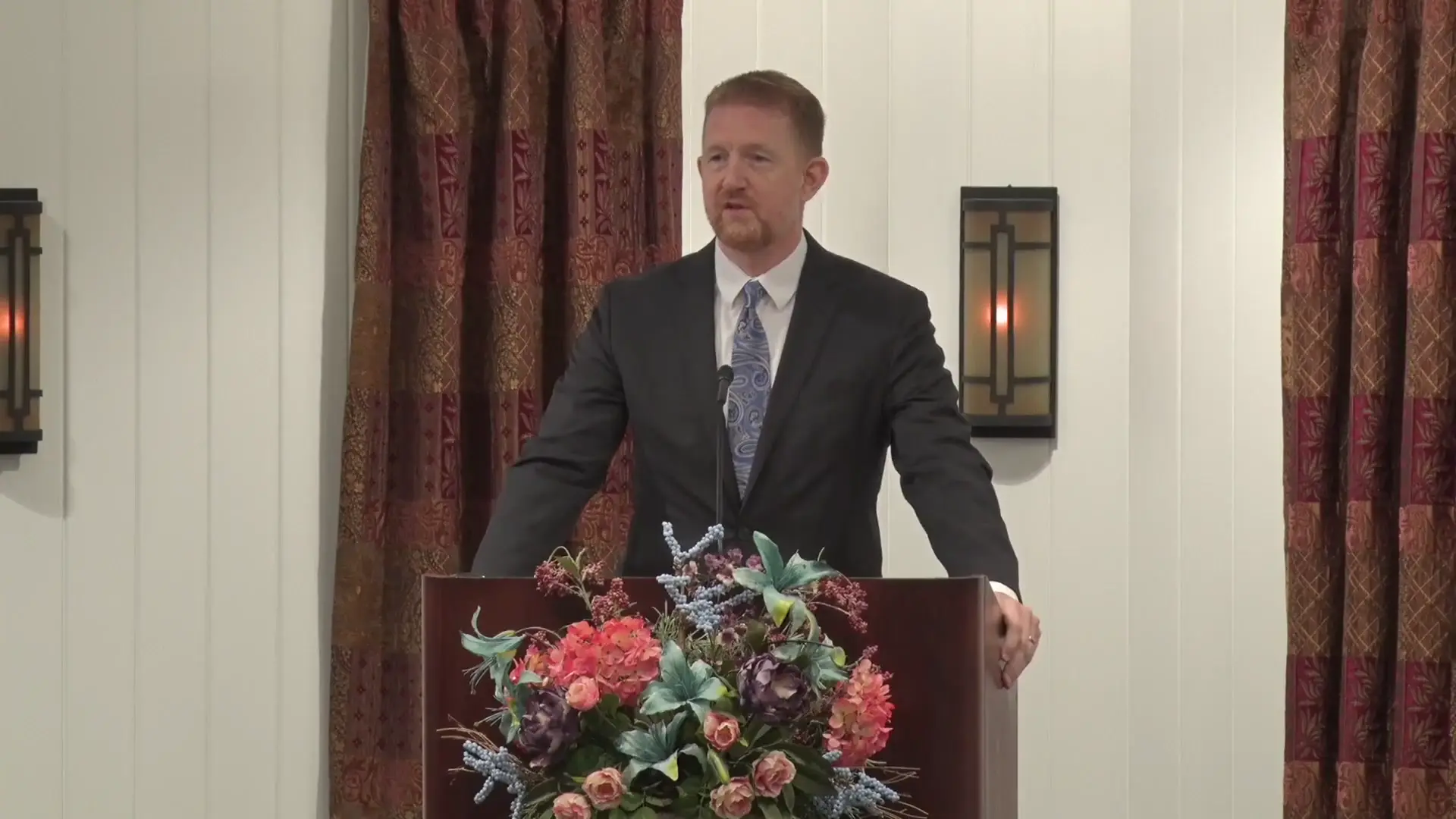
Sermon by David C. GrabbeThe doctrine of eternal security, though officially rejected by the church of God, can still be practiced functionally when believers know it is false yet live as though salvation is guaranteed regardless of their spiritual condition. This gap between stated belief and actual conduct mirrors what John Ritenbaugh called "practical atheism," where profession and practice diverge. The central concern is whether God's people recognize their true spiritual need or have become falsely secure. Ecclesiastes 8:11 explains why awareness fails: when judgment against wrongdoing is not executed speedily, the heart becomes fully set to continue in it. Because God's mercy delays consequences, human nature interprets that delay as permission, gradually eroding standards in areas like language, dress, and Sabbath observance, until unholiness feels normal since no direct penalty follows. God does not leave people without warning, however. Job 33:14 notes that "God may speak in one way, or in another, yet man does not perceive it." Haggai shows a returned remnant who could not connect their economic failures to neglecting God's house until a prophet explained it; Amos shows Israel enduring repeated disasters without recognizing God's hand; Pharaoh shows that pressure alone does not produce lasting change, since his heart returned to its former state once relief came. Leviticus 26 and Deuteronomy 28 reveal that scattering itself is a promised, loving corrective for disobedience—directly relevant to the modern church's repeated divisions, which are commonly blamed on Satan or men rather than recognized as God's own communication of a spiritual problem. The letters to the seven churches intensify this examination. Five of seven receive commands to repent, meaning there is a high statistical likelihood that any believer fits within a rebuked condition. Ephesus shows that ordinary spiritual activity—prayer, study, service—can mask a heart no longer centered on Christ, echoed by Zechariah 7:5, where God exposes fasting done not truly for Him. Laodicea is the sharpest example: self-assessment ("I am rich, increased with goods") directly contradicts Christ's judgment ("wretched, miserable, poor, blind, and naked"). This spiritual wealth need not be material; it can be pride in understanding, church affiliation, position, or experience—anything substituting for genuine need of Christ Himself, who stands outside "knocking" as a stranger. II Corinthians 5:20 reinforces that reconciliation is not a one-time, permanent event but a continuing pursuit, since God can still have something against His people—or they against Him, as Job's account demonstrates. Finally, the parable of the ten virgins illustrates that awareness of need must produce present preparation, since "oil"—representing accumulated abundance, vitality, and richness from a genuine relationship with God—cannot be transferred or acquired last minute. The foolish virgins are strangers to the Bridegroom despite calling Him "Lord," proving that unawareness of spiritual poverty, not open rebellion, is what excludes them. The unifying point throughout is that salvation is "ours to lose," and losing it results not from God's failure but from a lack of genuine, continual recognition of spiritual need.
The Role of the Outcasts (Part Two)
CGG Weekly by David F. MaasA humble spirit is a teachable and moldable spirit, but a haughty, self-satisfied, pride-filled spirit cannot be molded or shaped into a godly vessel.
The Christian and the World (Part Seven)
Sermon by John W. RitenbaughThe best way to attain true wealth and the abundant eternal life is to loosen our grip on worldly rewards and treasures, and single-mindedly follow Christ.
The Sovereignty of God (Part Nine)
Sermon by John W. RitenbaughPrayer is not a dictating to a reluctant God, but a demonstration of our attitude of dependence and need. It is a means to get into harmony with God's will.
Repentance: The Genuine Article (Part Five)
CGG Weekly by Richard T. RitenbaughWe recognize our need to change when we see, not necessarily how we are, but how we compare to and fall woefully short of the perfect righteousness of God.
Is the United States a Christian Nation? (Part Six)
Sermon by John W. Ritenbaugh (1932-2023)The belief that America was or is a Christian nation cannot be supported by the facts. The world, governed by Satan, hates Christ's true followers.
What Is the Church's Work Today (Part Three)
Feast of Tabernacles Sermon by John W. RitenbaughThe primary focus at this time is the repair of the faith once delivered that has seriously deteriorated because of heresy, apostasy, and Laodiceanism.
Prayer and Fervency
Sermon by John W. RitenbaughLiving faith has its roots in fervently, diligently seeking God and His righteousness with intense desire (like a passionate lover) through habitual prayer.

The Poor in Spirit
Sermon by Richard T. RitenbaughNothing that we could ever do could impress God, except for our contrition, acknowledgment of our infirmity, and remorse for our sins which displease God.
Unity (Part 7): Ephesians 4 (D)
Sermon by John W. RitenbaughBecause of our lack of self-discipline and willingness to guard the truth, we have allowed our theological base to deteriorate under the persuasion of the world.
Faith (Part Seven)
Sermon by John W. RitenbaughPride is a perverted comparison that elevates one above another. Because of its arrogant self-sufficiency, it hinders our faith. Faith depends on humility.
Hunger and Thirst for Righteousness
Sermon by Martin G. CollinsPhysical hunger and thirst provide important types of the desire one must cultivate for spiritual resources, realizing that man cannot live by bread alone.
Entrance Exam
CGG Weekly by Mike FuhrerOnly a relative few can meet God's standards because they are extensive and demanding. This fact is one reason 'many are called, but few are chosen.'

The Christian Fight (Part Five)
'Personal' from John W. RitenbaughThe faithful life and work of Noah illustrates that after justification, walking by faith with God is a practical responsibility.