


Filter by Categories

What Sin Is
'Personal' from John W. RitenbaughSin, though a word worn thin by overuse, names a reality that cannot be retired because it touches every human life. Unlike crime, which is visible and prompts immediate caution, sin's effects are often hidden, delayed, and therefore easy to dismiss. The long gap between Adam's disobedience and his eventual death, or the decades-long consequences of eating forbidden foods, illustrates how sin's destructive power works unseen until it finally surfaces. This hidden, cumulative danger means sin deserves even greater vigilance than visible wrongdoing. Scripture presents sin as universal and inescapable apart from Christ. Paul declares that all have sinned and fall short of God's glory, and that death spread to all because all sinned. Sin is pictured almost as a living force—an "amoebic blob" absorbing everything in its path—and the Old Testament itself is portrayed as a jailer confining all under sin, proving the futility of seeking justification through law-keeping. No class of person—moral or immoral, religious or irreligious—escapes this confinement. Paul's language in Romans intensifies this picture: sin reigns, dwells within, and wages war against the law of the mind, holding even converted believers in ongoing struggle. The unconverted are described as prisoners of war, utterly dominated by sin without resistance. God's warning to Cain reinforces this: sin crouches like a waiting slave, eager to be summoned, and if unchecked, grows progressively until one becomes practiced—even expert—at sinning. Left unaddressed, disobedience moves from ignorance to willful mastery, as Jeremiah later confirms: people become "wise to do evil" while losing the capacity to do good. Sin's definition clarifies its scope. First John calls sin lawlessness, but the broader biblical vocabulary reveals more nuance. Paraptoma (trespass) means to wander or slip from the right path; hamartia (sin) means to miss the mark, to fail a standard. Their Hebrew counterparts, chata and asham, convey similar ideas of falling short. Sin, then, is fundamentally failure—failure to be what one ought and could be—not merely the breaking of explicit rules. This explains why sin reaches into every area of life: relationships, speech, attitudes like envy or bitterness, even unseen thoughts, not just obvious crimes. The standard against which this failure is measured is the "fullness of Christ," the perfect righteousness embodied in Jesus. To fall short of that measure, in any attitude, motivation, thought, word, or deed, is sin. Because Satan's influence and human nature pervade the world, sin is as common as breathing—but this ubiquity does not make it permanent. God's purpose extends beyond merely defeating sin to eradicating it entirely in those He calls, and ultimately in all humanity. His people are therefore called to recognize their own shortcomings, resist sin's persistent pull, and grow over a lifetime into the righteous character of Christ, pressing on toward perfection.
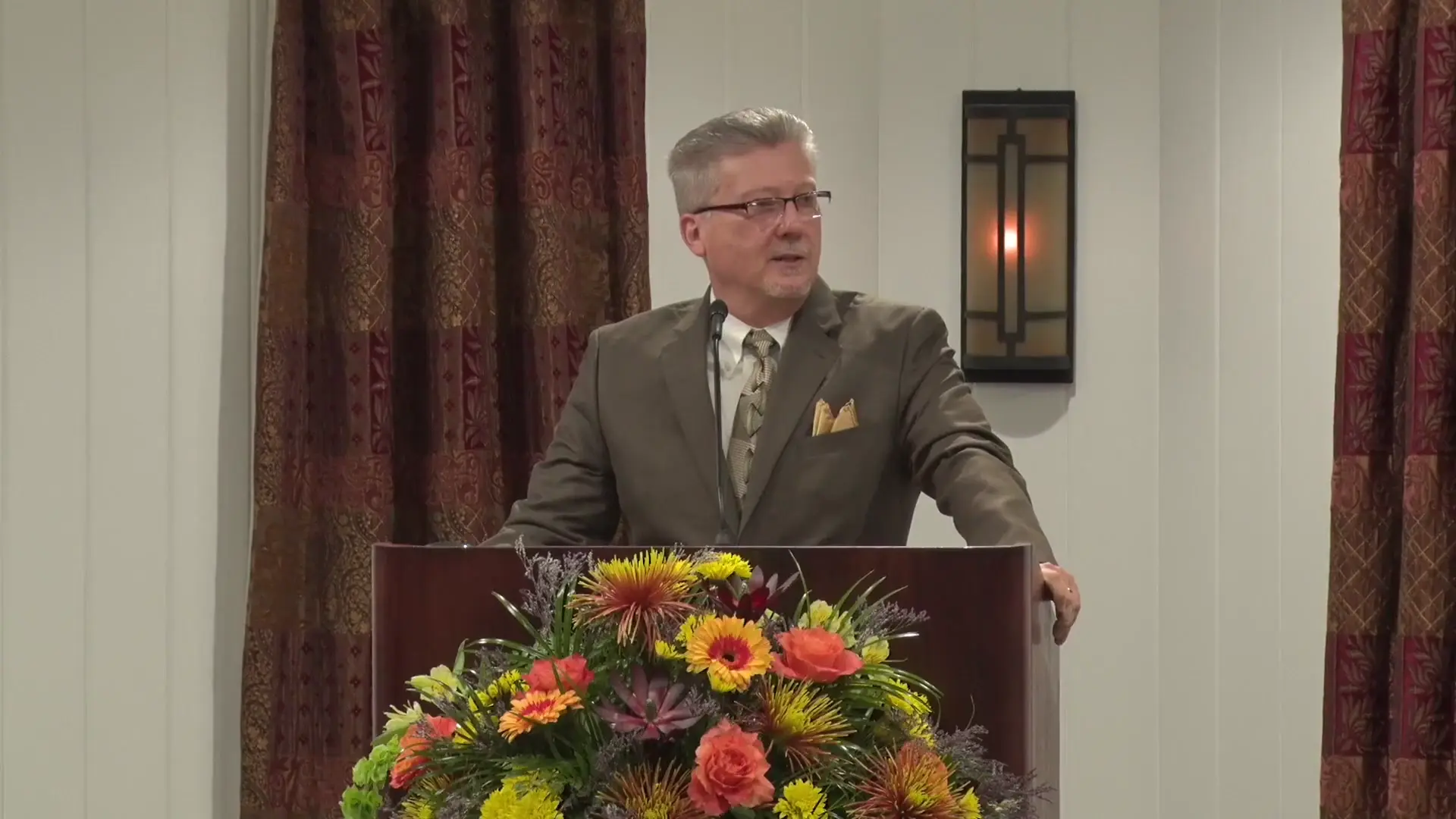
Jesus in the Feasts (Part Four): Atonement
Sermon by Richard T. RitenbaughIsaiah 53 and passages from the New Testament substantiate Christ's dual role in shedding His blood and bearing away sins, thereby reconciling humanity to God.
Sin (Part One)
Sermon by John W. RitenbaughThough relatively neutral at its inception, human nature is subject to a deadly magnetic pull toward self-centeredness, deceit, and sin.
Sin (Part Four)
Sermon by John W. RitenbaughTrue Christianity is no cakewalk into eternal life, but a life and death struggle against our flesh, the world, and a most formidable spirit adversary.
The Covenants, Grace, and Law (Part Sixteen)
Sermon by John W. RitenbaughRighteousness consists of applying the Law's letter and/or intent. Sin constitutes a failure of living up to the standards of what God defines as right.
The Providence of God (Part Seven)
Sermon by John W. RitenbaughJesus and Abraham rose above their emotional pulls by exercising living faith—a faith built on acts of obedience. Faith can never be separated from works.
Maintaining Good Health (Part 9)
Sermon by John W. RitenbaughGood spiritual health follows the same patterns and laws as do physical and psychological health. Any permanent change in character must come from within.
Intimacy with Christ (Part Four)
Sermon by John W. RitenbaughWe don't really know something unless we have experienced it. Knowing God manifests itself in the way one lives, reflecting faithfulness and obedience.
Moses, Servant of God
Feast of Tabernacles Sermon by John W. RitenbaughMoses sacrificed great worldly honor to become a servant of God, demonstrating real servant leadership. God praises Moses for his faithfulness and meekness.
Hebrews, Love, and the Ephesian Church
Feast of Tabernacles Sermon by John W. RitenbaughLike the Ephesians, the weary veterans in Hebrews were becoming apathetic through outside pressures, losing their former zeal and devotion to Christ.
Poor in Spirit (1997)
Sermon by John W. RitenbaughBeing poor in spirit is a foundational spiritual state for qualifying for God's Kingdom. Poor in spirit describes being acutely aware of one's dependency.