


Filter by Categories
Sheep Rustling
CGG Weekly by David C. GrabbeIn days gone by, sheep were a common symbol of wealth, raised for wool, meat, or trade, ensuring financial security and community status as flocks grew. Sheep were a valued resource, yielding great dividends with minimal expense beyond time and energy. Today, while physical shepherds are rare, spiritual shepherds lead large flocks in mega-churches, often becoming symbols of affluence. However, some prioritize large followings over the health of their sheep, luring them with promises of grandeur and protection rather than providing good food, clean water, peace, and safety. God's emphasis remains on the spiritual health of His sheep, not their quantity, as He calls only a certain number during this time of judgment. All sheep belong to the Chief Shepherd, and those who hear His voice follow Him to the human shepherd He deems best for their needs. For a shepherd to lure away sheep not given to them is akin to sheep rustling, a grave offense. Abraham, a great patriarch, exemplified trust in God's sovereignty by not enticing his nephew Lot's sheep to join his flocks, even deferring land choice for peace, believing that God would supply every need without the need for more sheep or better land.
Parable of the Good Shepherd (Part One)
Bible Study by Martin G. CollinsJesus Christ is portrayed as the Good Shepherd who enters by the gate, the lawful way into the sheep pen, distinguishing Himself from false messiahs who seek to steal sheep through deceit or control. As the legitimate Heir of the chosen seed, He fulfills Old Testament promises, gathering the scattered children of God into one flock. His sovereignty as the Shepherd emphasizes His role as the great and benevolent Ruler and Owner of all His sheep. As the Good Shepherd, He died for sinners who, like sheep, have gone astray, manifesting perfect goodness with a morally beautiful, noble, and true nature. He guides, supports, and sacrifices Himself for His sheep, exceeding all others in benevolence. As the Great Shepherd, He sacrificed Himself, rose from the grave, and ascended to heaven, where He now intercedes for His sheep, united with the Father in Their love for them, seeking and saving those who were lost. As the Ruling Shepherd, He will return to reward faithful under-shepherds, combining the qualities of shepherd, parent, and ruler in His authority, promising the kingdom to His little flock. A good shepherd must own his sheep, as seen when each shepherd separates his flock from others in a shared pen by a unique call, leading them to beneficial pastures and protecting them from danger. Jesus refers to His sheep personally as His own, emphasizing their familiarity and the mark of ownership through unconditional obedience and submission, reflecting His role as the Creator through whom all things were made.
Parable of the Lost Sheep
Sermonette byChrist shows His compassion and concern for those who have become distracted and fallen into error, providing an example to us to show mercy to others.
The Shepherd's Guidance (Part One)
CGG Weekly by David C. GrabbeJesus Christ, the Good Shepherd, personally knows and cares for His sheep, as highlighted in John 10:11, 14. He declares in John 10:9, "I am the door. If anyone enters by Me, he will be saved, and will go in and out and find pasture." Finding pasture is vital to a shepherd's role, as sheep are far from self-sufficient, unable to thrive without constant attention and direction. Without Him to lead, provide, and protect, His sheep would be in grave danger. Sheep, being docile, are not typically seen as destructive, yet their habitual nature leads to desolation; they follow the same trails into ruts, graze areas into wastelands, and pollute their fields with parasites and disease if left unmanaged. A skilled shepherd keeps his flock moving, changing pastures to ensure the best food and to prevent re-infection by parasites, avoiding the risks of malnourishment and sickness that come from staying in one place too long. Christ refers to the church as a flock and individuals as sheep, indicating He manages His people similarly, preventing destructive habits and spiritual disease by changing their circumstances to keep their lives dynamic. Sheep also have a tendency to go astray, as noted in Isaiah 53:6, wandering each to their own way, mirroring the current state of the church with evident envy, strife, and division. Despite this, the Good Shepherd never abandons His flock, as promised in Hebrews 13:5, calling them back when they stray, often through trials that remind them of their dependence on Him. His sheep hear His voice and respond willingly, trusting that He has a better path for them, even at the cost of personal comfort, as stated in John 10:27.
The Shepherd's Voice
Article by Mike FordGod's people are often compared to sheep, yet some question whether they need a human shepherd. How does one know whether a minister is a true shepherd?
Knowing a True Shepherd
Sermonette by Mike FordWe are cautioned to test the spirits contained in what a shepherd says to see whether they come from God. The world is not able to understand this message.
Psalm 23:2
Sermonette by Ronny H. GrahamThe shepherd has a critical role in providing conditions for sheep to rest, including freedom from fear, pests, hunger, and social friction within the flock.
Psalm 23:3
Sermonette by Ronny H. GrahamCasting takes place when a sheep falls over and its weight causes it to get stuck on its back until the shepherd intervenes.
Psalm 23
Sermonette by Ronny H. GrahamBoth David and his descendant, Jesus Christ, demonstrated their dedication in protecting the sheep, even at great personal risk, unlike hirelings, then and now.
Psalm 23:5-6
Sermonette by Ronny H. GrahamBy accepting the guidance of the Shepherd, we are taught to avoid the cup of wrath and have the cup of blessings overflow in that pasture.
John (Part Sixteen)
Sermon/Bible Study by John W. RitenbaughThe closer we get to God, the more likely we will have persecution, but also the greater and more real He becomes and the more likely we will serve Him correctly.
In Search of a Clear World View (Part Seven)
Sermon by John W. Ritenbaugh (1932-2023)The modern nations of Israel, by turning its back on the truth, has blown its opportunity for moral leadership every bit as much as ancient Judah did.
Psalm 23 (Part One)
Sermon/Bible Study by John W. RitenbaughOf all animals, sheep need the most care and are extremely vulnerable to predators, pests, and fear, leading to extremely dependent and trusting behavior.
Psalm 23:4
Sermonette by Ronny H. GrahamA major heresy is that God is completely about love and no correction. However, the rod of correction is an essential part of being guided safely.
Psalms: Book One (Part Six)
Sermon by Richard T. RitenbaughPsalm 23 depicts the gratitude we should display from a sheep's point of view, as the animal boasts of blessings and marvels about the care of his Shepherd.

Leadership and Covenants (Part Two)
'Personal' from John W. RitenbaughWe must learn the lessons of godly leadership now because our positions in the Kingdom will require their use. Society demonstrates a lack of personal leadership.
For the Perfecting of the Saints
Booklet by John W. RitenbaughDo Christians need a church? With all the church problems in recent years, many have withdrawn. Yet the church—problems and all—serves a God-ordained role.
Psalm 23 (Part Three)
Sermon/Bible Study by John W. RitenbaughThe valley-of-shadow imagery symbolizes the fears, trials, and tests needed to produce character, quality fruit, and an intimate trust in the shepherd.
Psalm 23 (Part Two)
Sermon/Bible Study by John W. RitenbaughSheep are the most dependent on their owner for their well-being. From the viewpoint of the sheep, the quality of care of the shepherd is of utmost importance.
The Holy Spirit and the Trinity (Part Three)
Sermon by John W. RitenbaughIn most biblical contexts, 'spirit' refers to the invisible, internal activating dimension of the mind. Synonyms include heart, mind, and thoughts.
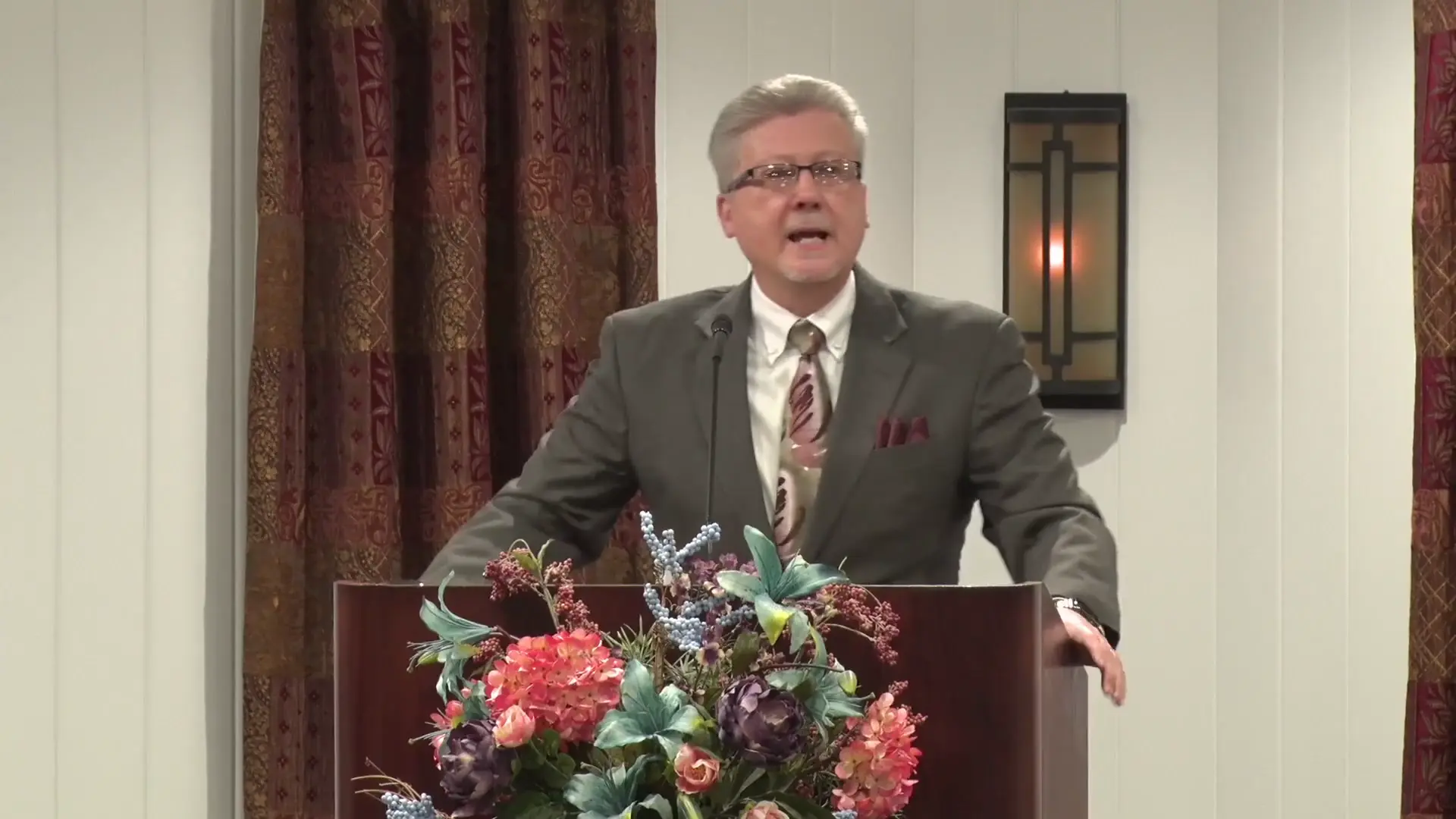
Peace, Peace (Part Three): Contentment
Sermon by Richard T. RitenbaughThe great Shepherd of the sheep acts as Shepherd to His sheep. The Father is the God of peace and the Son is the great Shepherd. They work hand in hand in the context of Christ's sacrifice and the calling and justification of the sheep so that the sheep might live for righteousness. The Shepherd and Overseer of the souls of the sheep has top goals of creating an environment for the sheep to prosper and grow. That environment is one of peace and contentment without fear without conflict and without uncertainty. When the sheep are content they have the best chance of growing of reaching maturity. The Father gives peace and the Son gives His own peace to the sheep and creates and maintains a condition or state of peace for the sheep to produce contentment and well being which fosters growth toward wholeness and completion a state of shalom a state of peace and prosperity and well being that just cannot be beat. The great Shepherd leads the sheep protects the sheep maintains the lives of the sheep with feeding and care and provides for the sheep so much that the sheep end up living abundant lives more than they need for life with a lot of extras too. The great Shepherd knows each one of the sheep personally and the sheep know Him. It is a special relationship intimate and personal. The great Shepherd is a unifier of sheep and flocks drawing them into one flock like He and the Father are one. Ultimately the great Shepherd gives the sheep eternal life. As one of His sheep one should be content at peace at rest.