


Filter by Categories
Who Is Doing the Work of God?
'Personal' from John W. RitenbaughWe should concentrate on reversing the church's serious spiritual decline before we presume to go to the world.
Approaching God Through Christ (Part Four)
Sermon by Richard T. RitenbaughJesus Christ is symbolized by the table of showbread in the Tabernacle, having gold utensils and vessels for bread and wine, symbolizing our fellowship with God.
An Acceptable Sacrifice
Sermonette byAbel was totally consumed, becoming the first martyr for faith. Likewise, when we are called to God, we can expect to be used until we are consumed.
Two Loaves, Baked with Leaven
Sermonette byThe leavening indicates that the wave loaves speak to this life rather than the resurrection. It is accepted by God only because of the other sacrifices.
The Sacrifices of Leviticus (Part 2)
Sermon by John W. RitenbaughThe sacrifices were neither insignificant nor barbaric, but a teaching tool for us. In the burnt offering, we see Christ in His work for the already redeemed.
Offerings (Part One)
Sermon/Bible Study by John W. RitenbaughThe burnt offering shows Christ giving Himself completely to God as God's portion. It represents a life fully devoted to God, which is what truly satisfies Him.
The Offerings of Leviticus (Part Two): The Burnt Offering
'Personal' from John W. RitenbaughThe burnt offering is completely consumed on the altar. This type of offering teaches us about Christ's total dedication to God—and how we should emulate it.
Offerings (Part Four)
Sermon/Bible Study by John W. RitenbaughThe peace offering symbolizes the abundant life that results from complete devotion to God (the burnt offering) and service to others (the meal offering).
The Offerings of Leviticus (Part Five): The Peace Offering, Sacrifice, and Love
'Personal' from John W. RitenbaughThe peace offering teaches many things, but one of its main symbols is fellowship. Our communion with the Father and the Son obligates us to pursue peace.
The Sacrifices of Leviticus (Part 5)
Sermon by John W. RitenbaughThe meal offering represents the intense self-sacrifice required in service to man. Our service to man must be done for God's sake rather than man's appreciation.
Sanctification and Holiness (Part 5)
Sermon by John W. RitenbaughGod gives conditions for acceptable sacrifices and offerings, differentiating the holy and authentic from the defiled, unclean and strange.
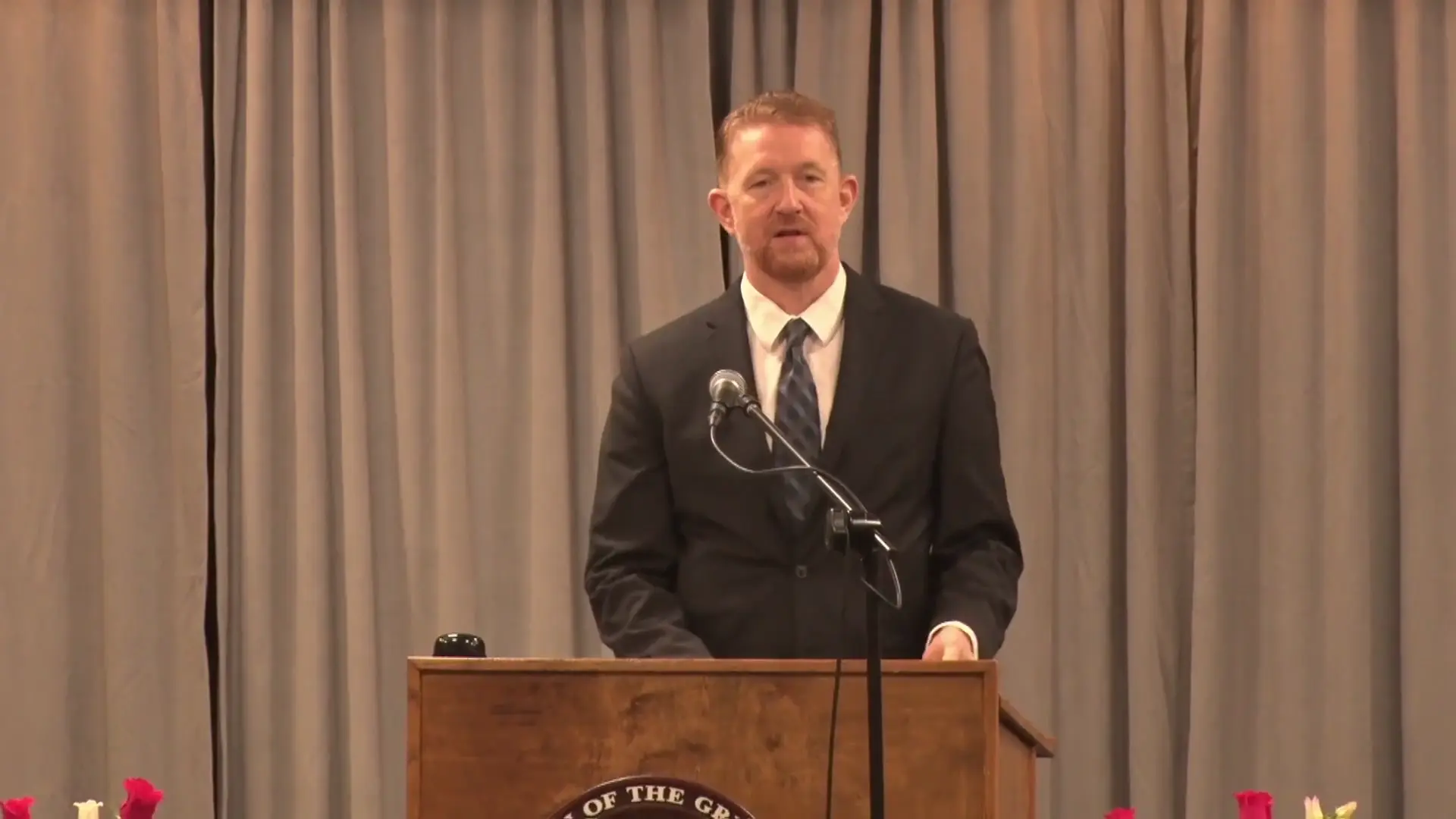
Eating Before the Lord
Feast of Tabernacles Sermon by David C. GrabbeBelievers are a present royal priesthood offering spiritual sacrifices within the church, nourished by Christ's exclusive altar. The Feast of Tabernacles mirrors Levitical consecration, with its seven-day structure and blood application to ears, thumbs, and toes symbolizing hearing God, serving, and walking steadily. This pattern emphasizes present sanctification over merely prophetic future, inviting believers to be continually filled from God's table. Neglecting this spiritual food risks stagnation, so the feast serves as a vital period of consecation, strengthening believers to serve alongside their High Priest.
A Vivid Comparison (2000)
Sermonette by John W. RitenbaughChurches or institutions that accept offerings gained from evil enterprises accept tainted money, coddling the sinner for the sake of gain.
Keep It Clean
Sermonette by John W. Ritenbaugh (1932-2023)God's Word describes the ritual harlot and the sodomite as vile dogs and the basest of people. The wages of sexual immorality would defile any offering.
Taking Your Priestly Responsibilities Seriously!
Sermon by Martin G. CollinsGod is training us as a holy priesthood, called to offer unblemished sacrifices, honoring His name, putting down pride, presumptuousness, and arrogance.
Psalms: Book Two (Part Three)
Sermon by Richard T. RitenbaughBook II of the Psalms was written largely by David and shows how he reacts to some gruesome trials by surrendering to God's redemption.
What Does 'Discerning the Lord's Body' Mean? (Part One)
CGG Weekly by David C. GrabbeThose who eat from an altar become partakers of it, because the altar is the main instrument of worship. By eating a share of the sacrifices, physical Israelites placed themselves in fellowship with the object of their worship. As long as the altar was God's and the sacrifices were performed according to His instructions, eating from it played a meaningful part in true worship. But when Israelites ate from the altar of another so-called god, which means a demon, they joined in fellowship with that demon. Paul says no one can have it both ways. Either a person partakes of the wine and bread and fellowships with Jesus Christ, or he participates in what demons offer, but not both. The overall principle is that we become spiritually unified with whatever we partake of. When each person partakes of the cup of blessing and the bread at Passover, he becomes one with Christ. Because the whole church partakes of the same symbols, everyone who partakes becomes one with Him and with one another. The Lord's body is therefore a collective noun, made up of those whom the Father called and who are now in fellowship with Christ through symbolically sharing in His blood and body.
Hebrews (Part Fifteen)
Sermon/Bible Study by John W. RitenbaughWe dare not allow a root of bitterness to spring up in us as a result of trials - those burdens intended by God to strengthen us and perfect us.