


Filter by Categories
The Feast: Vacation or Holy Time?
CGG Weekly by Mark SchindlerThe Feast of Tabernacles and all of God's feast days are holy times, set apart by Him to be observed as He commands, for the purpose of helping us to become holy as He is holy. These occasions are not mere vacations, though they may include aspects of being away from home, free from work or school, and engaging in different activities. Their purpose is far more serious and spiritual, requiring us to share this holy time with the Father, the Son, and one another in the way and place God has determined for us to serve Him and our brethren. Just as the Sabbath is not optional holy time, neither are God's holy days. We must examine ourselves to ensure our deceptive hearts have not demoted God's solemn and holy time to a mere elective. When God calls a holy convocation of His people, we should do our utmost to be there, despite physical circumstances such as age, health, or unforeseen difficulties, seeking God's will diligently to appear before Him.
Pentecost and Time
Sermon by Richard T. RitenbaughGod established holy time at creation by separating light from darkness on the first day and placing the sun, moon, and stars on the fourth day to mark signs and mo'adim. These appointed times divide days, seasons, and years while serving as recurring indicators of God's presence and plan. The mo'adim function as holy convocations where God sets aside specific portions of time, infuses them with His presence, and invites His called people to meet Him there for instruction, blessing, and growth in understanding. Pentecost illustrates this principle most directly. Commanded through a count of fifty days from the wave sheaf offering, it requires deliberate numbering of weeks and days, the basic units of time established at creation. This annual observance reminds the elect to number their days, redeem the limited time of conversion, and synchronize their lives with God's schedule. The fifty days represent the span of a converted life, during which believers must align their priorities with God's purpose so that character is formed and preparation for the Kingdom occurs. Keeping these appointed times reveals God's plan across past, present, and future, granting wisdom that mortals otherwise cannot grasp. Synchronization extends beyond the annual holy days to the weekly Sabbath, where God tests whether His people will rest and gather with Him at the appointed time and place. Walking with God, as Noah and Enoch did, demands the same precise obedience to His timing in every aspect of life, including moral conduct and daily decisions. Those who remain in harmony with God's holy time receive ongoing revelation, correction, and the assurance that their lives progress toward eternal life rather than missing the appointed opportunities for salvation.
The Commandments (Part Seven)
Sermon/Bible Study by John W. RitenbaughThe Sabbath stands as holy time set apart by God for the purpose of releasing people from moral, physical, and spiritual burdens. From the outset of His ministry Jesus magnified the law by demonstrating its intent through consistent Sabbath activity centered on deliverance. He healed those suffering chronic conditions, thereby illustrating that the day functions as an occasion for loosening bonds imposed by Satan and human frailty. These acts of mercy were never performed under threat of immediate death but served as visible signs of the deeper spiritual freedom God intends for His people. Jesus repeatedly justified such works by declaring that His Father continues working on the Sabbath and that He Himself performs the same redemptive labor. The healings, the instruction given in synagogues, and the allowance of necessary provisions for the hungry disciples all reflect the principle that holy time is to be used for the works of salvation. Priests in the temple performed doubled duties on the Sabbath without guilt because their service advanced God's redemptive purposes; likewise, those who follow Christ are called to carry out comparable acts of kindness, teaching, fellowship, and prayer. The commandment itself connects holy time both to the completion of creation and to the deliverance from Egyptian bondage, revealing that the day simultaneously recalls God's creative power and anticipates His ongoing work of forming sons in His image. Any activity that fails to advance liberty, faith, or service to others requires careful examination, for the Sabbath was made for man's well-being through communion with the Redeemer rather than for passive idleness or ordinary labor. By imitating the Father's ceaseless redemptive activity, observers of holy time participate in the very mission Christ embodied.
The Commandments (Part Five)
Sermon/Bible Study by John W. RitenbaughThe Sabbath is a period of time God purposefully sanctified and set apart for the benefit of mankind, a time dedicated to God's spiritual creation.

Polluted Sabbath?
Sermon by Bill OnisickPolluting and profaning God's Sabbath means to allow the distractions of the world to prevent us from calling the holy Sabbath a delight.
The Commandments (Part Six)
Sermon/Bible Study by John W. RitenbaughGod gave the Sabbath to His people so they can know Him intimately. Idolatry, scattering, and captivity are the natural consequences of Sabbath-breaking.
The Commandments (Part Eight)
Sermon/Bible Study by John W. RitenbaughIn our hectic culture, we commit far too little time to God, depriving ourselves of the Holy Spirit and attenuating the faith required to draw close to God.
The Fourth Commandment (Part 5)
Sermon by John W. RitenbaughThe reason for refraining from many activities on the Sabbath is not labor or energy, but the overall motivation. Certain works are perfect for the Sabbath.
The Fourth Commandment (Part One) (1997)
'Personal' from John W. RitenbaughMost people think the fourth commandment is least important, but it may be one of the most important! It is a major facet of our relationship with God.
The Fourth Commandment (Part 1)
Sermon by John W. RitenbaughThe Sabbath is a special creation, a very specific period of holy time given to all of mankind, reminding us that God created and is continuing to create.
The Fourth Commandment (Part 2)
Sermon by John W. RitenbaughThe Sabbath reminds us that God is Creator and that we were once in slavery to sin. The Sabbath is a time of blessing, deliverance, liberty, and redemption.
Leadership and Covenants (Part Five)
'Personal' from John W. RitenbaughUniversal in scope, the Edenic Covenant introduces God to mankind as his Creator and establishes the way human beings are to relate to Him and the creation.
Carefully Tending and Keeping God's Extraordinary Blessings
Feast of Tabernacles Sermon by Mark SchindlerGod's Sabbaths are inestimable blessings which should not be squandered; we must tend and keep these blessings, avoiding the careless use of hallowed time.
Is It Salvational? (Part Three)
CGG Weekly by David C. GrabbeWhen Jesus returns, many will be prohibited from entering the Kingdom! They think they know Him, yet they are just using Him to make themselves important.

How to Count to Pentecost
Sermon by David C. GrabbeIn 1974, a quiet and ill-advised change was made to how Pentecost is counted, inadvertently aligning the toil of harvesting with a high holy day Sabbath.
Made His Wonderful Works to Be Remembered (Part Two)
Sermon by Mark SchindlerThose called by God now have a unique privilege and responsibility to live in God's truth, distinguishing them from those who have hope but lack understanding.
How to Have a Great Feast
Sermon by Richard T. RitenbaughThe Feasts of God are not vacations, but are holy convocations when God assembles His family for the purpose of enabling us to learn to fear and honor Him.
What Is the Feast of Trumpets, Anyway?
'Ready Answer' by StaffThe Feast of Trumpets has very little directly written about it in Scripture. Here are the basic facts about this pivotal and holy day.
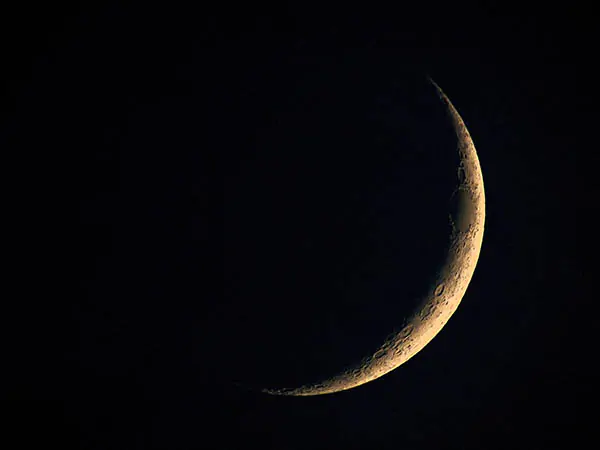
The New Moons
'Personal' from John W. RitenbaughA concise explanation of what the Bible says about New Moons and what that means to us today — what it means to 'observe' the New Moons.