


Filter by Categories
What Are the 'Ordinances' of Colossians 2:14 and Ephesians 2:15?
Bible Questions & AnswersThe word 'ordinances' does not refer to God's laws. It is translated from the Greek word dogma and refers generally to opinions, judgments, and decrees.
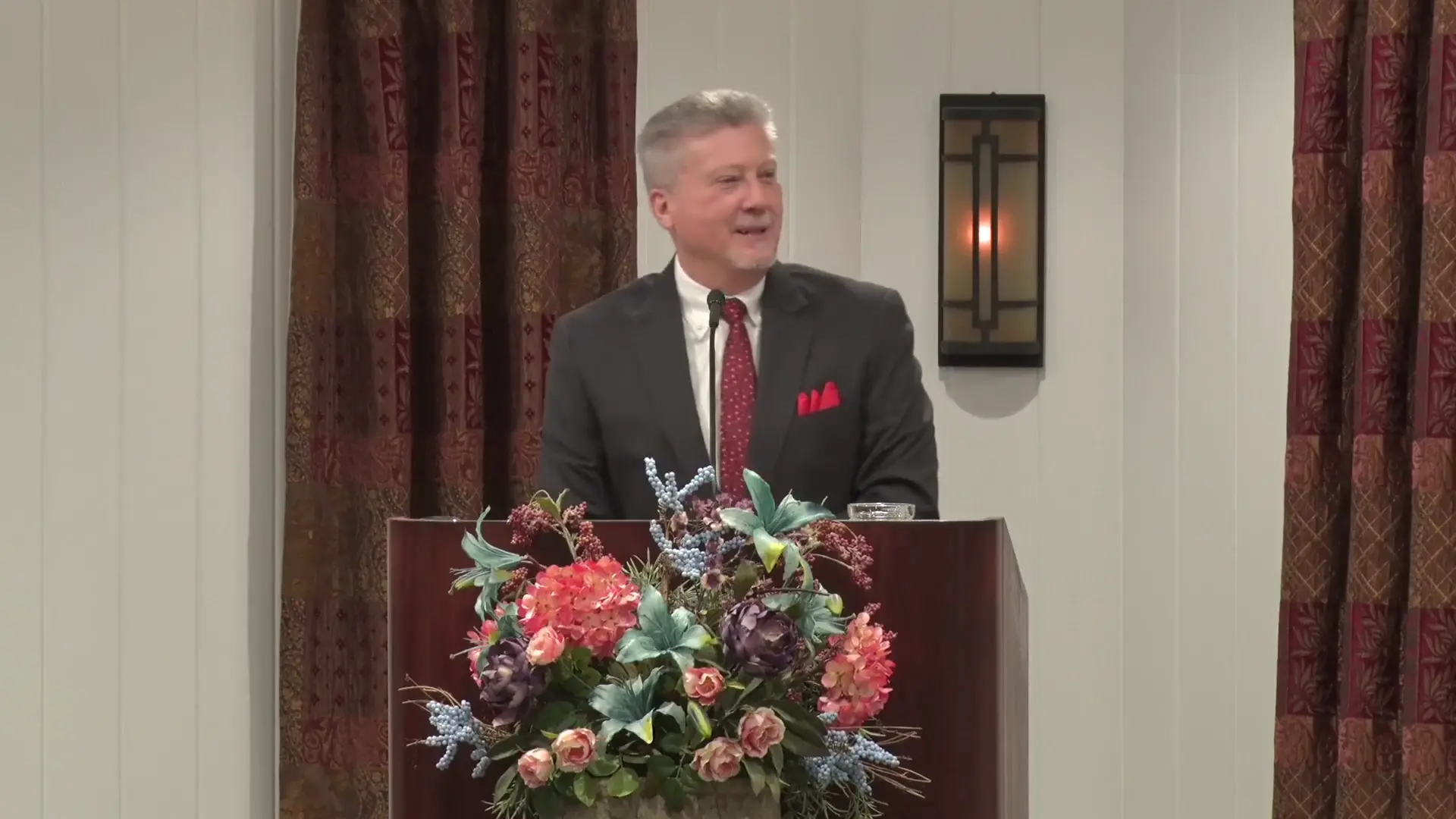
The Jerusalem Council's Conclusion
Sermon/Bible Study by Richard T. RitenbaughChrist struck down the middle wall of partition between Jew and Gentile, bringing both into the same body. This act established that God saves Jew and Gentile alike by grace through faith rather than by works. Ephesians 2 explains that both groups, though once dead in trespasses, are made alive together with Christ, raised up together, and seated together in the heavenly places. The same grace that justifies one justifies the other, eliminating any requirement that Gentiles adopt circumcision or the full customs of Moses as a means of salvation. This truth undergirds the Jerusalem council's decision. Because the partition has been removed, the apostles refuse to impose an unbearable yoke that would distinguish one group from the other. Peter and James affirm that both Jew and Gentile are purified by faith and granted the Holy Spirit without partiality. The council therefore writes only four practical prohibitions to foster unity and avoid offense, while recognizing that the Gentiles already hear the law of God in the synagogues. The broken partition thus confirms that justification is identical for all and that God's law remains the standard of conduct for the one body.
Hebrews: Its Background (Part Five)
Sermon by John W. Ritenbaugh (1932-2023)When Hebrews was written, the newly converted Jew to the Way encountered persecution from the established religion and culture similar to what we experience.
The Covenants, Grace, and Law (Part Twenty-Five)
Sermon by John W. RitenbaughIn Galatians, Paul took issue with the Halakhah, not God's word. Halakhah was a massive collection of human opinion that placed a yoke on its followers.
The Covenants, Grace, and Law (Part Six)
Sermon by John W. RitenbaughCircumcision is a token, sign, or seal that one was the heir of Abraham. No physical sign has the power to transfer righteousness to the doer.
Christ Our Peace
Feast of Tabernacles Sermon by Martin G. CollinsWe do not have the ability to bring peace to the world; only Christ can do that, first reconciling people to God and then with other people.
Unity (Part 6): Ephesians 4 (C)
Sermon by John W. RitenbaughUnity has to come from the inside out, with God raising a leader which His people, having their minds opened by His Spirit, will voluntarily submit to.

Why Hebrews Was Written (Part Eight): Hebrews 1
'Personal' from John W. RitenbaughHebrews 1 delivers a knock-out punch to skeptics like many first-century Jews who claimed He falls short in qualifying as our High Priest and Savior.
Fellowship With God
Sermon by Martin G. CollinsOnly those who have fellowship with God can have any hope, understanding, peace, or rest. The world remains under the sway of Satan, unable to live righteously.
Sanctification and Holiness (Part 3)
Sermon by John W. RitenbaughIn Numbers 16-18, God performed several miracles to demonstrate conclusively that not everyone is called to the same function and that He remains the Boss.
Spiritual Fine Tuning
Feast of Tabernacles Sermon by David F. MaasAs maturing Christians, we are called to lay aside the childlike tendency to over-correct, violently and impulsively moving from one ditch to the other.