


Filter by Categories
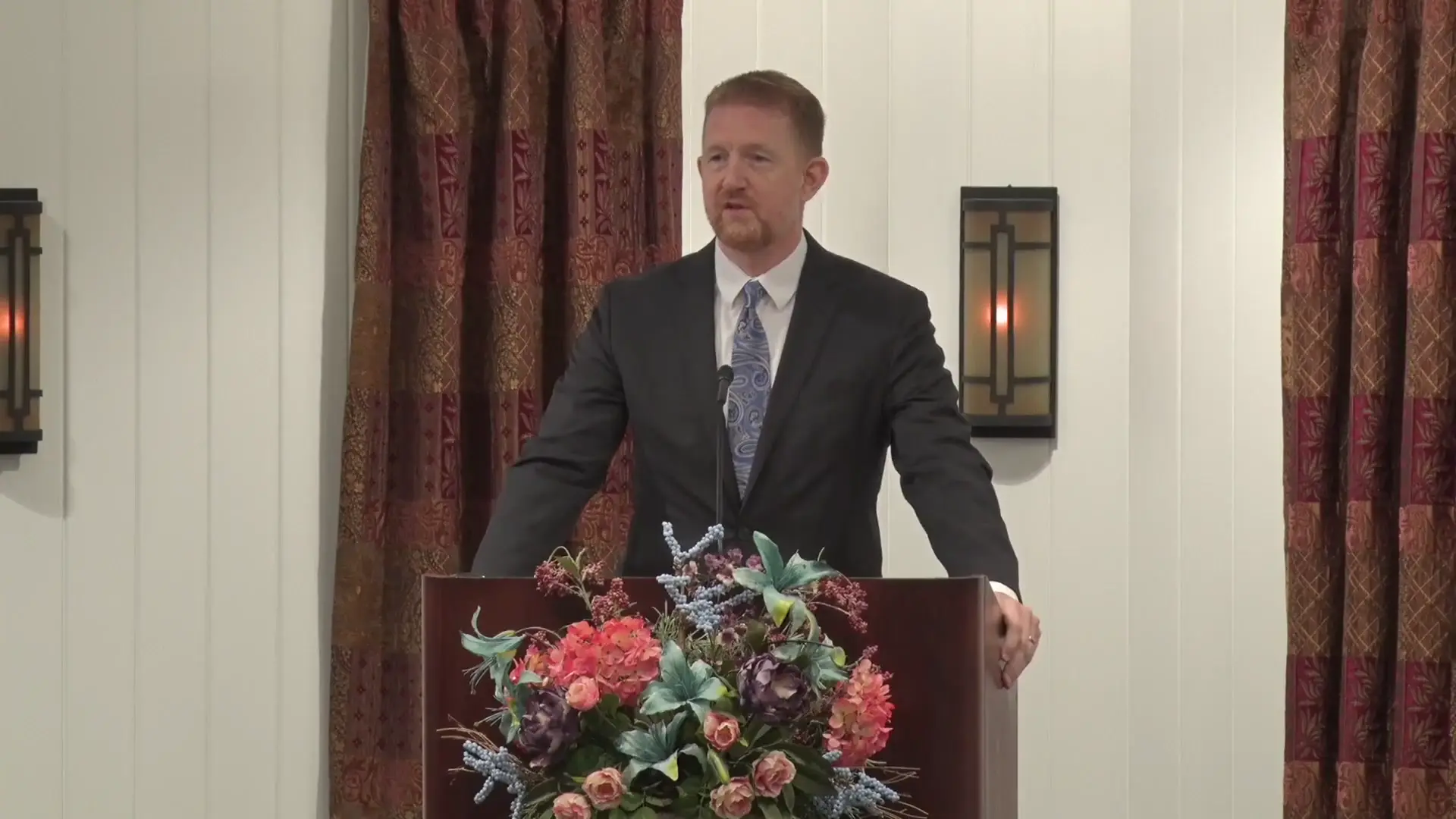
Eternal Security in the Church
Sermon by David C. GrabbeFalse security emerges as the central danger explored throughout this examination of self-evaluation, framed against the doctrine of eternal security, or Once Saved Always Saved, which the church of God officially rejects. Even though this doctrine is formally rejected, the deeper concern is that one can know it is false and yet still live as though eternal security were true, exhibiting a kind of practical atheism where stated beliefs fail to match actual conduct and priorities. This false sense of security is shown to develop through several mechanisms. Ecclesiastes 8:11 establishes that because judgment is not executed speedily, the human heart becomes fully set to continue in wrongdoing; God's mercy and patience, meant to allow time for repentance, are instead misread by carnal reasoning as permission or license, producing security that is entirely false. This pattern appears nationally in Israel's and Judah's failures to recognize God's corrective actions, in Pharaoh's temporary compliance during the plagues followed by immediate relapse once pressure lifted, and in the church's own repeated scattering and schisms, where the sovereign hand of Christ is overlooked while blame falls on Satan, ministers, or circumstance. The letters to the seven churches in Revelation intensify this theme. The Ephesian congregation demonstrates that rudimentary spiritual activities like prayer and Bible study can persist even while love for Christ has faded, creating a false sense of security despite the threat of having one's lampstand removed. The Laodicean church exemplifies this most starkly: believing itself rich, prosperous, and in need of nothing, while Christ pronounces the opposite judgment. This self-deception is not limited to material wealth but extends to spiritual riches such as understanding, church affiliation, position, or tenure, any of which can become a false anchor of security apart from genuine, active dependence on God Himself. The concept of reconciliation, drawn from II Corinthians 5:20, further undermines assumptions of guaranteed security, showing that even those already justified must continually pursue reconciliation, since Christ's ongoing controversy with several of the churches proves that being unreconciled remains a real possibility for God's own people. The parable of the ten virgins reinforces this warning through the image of oil, understood broadly as spiritual abundance, richness, and vitality accumulated only through a sustained, daily relationship with God. The foolish virgins' false security lay in assuming their limited spiritual supply was sufficient, only to discover too late that preparation cannot be rushed. Ultimately, salvation is portrayed as "ours to lose," a contest already weighted in believers' favor through Christ's victory, yet still capable of being forfeited through complacency, misplaced confidence, or neglect of the ongoing pursuit of God. Genuine security, therefore, is not found in past decisions, habits, or achievements, but only in continual, active seeking of God Himself.
Feeling Secure?
CGG Weekly by Richard T. RitenbaughIn earlier times most people in the United States felt little need to secure their homes or vehicles, as the likelihood of theft remained low and few gave the matter serious thought. Rising rates of violent crime, including murders, gang activity, drive-by shootings, home invasions, and carjackings, combined with constant media coverage, gradually eroded that sense of safety until many no longer felt secure even within their own residences. The attacks of September 11, 2001, intensified this vulnerability by demonstrating that no one was safe at any time or place. The government faces formidable obstacles in providing security, including thousands of miles of open borders, thousands of daily domestic and international flights, the nation's vast size and population that allow terrorists to blend in, constitutional protections for religion, speech, association, and arms that limit restrictions on potential threats, and a general tolerance that delays strong responses. Media reporting on every intelligence fragment and every perceived gap in defenses further heightens anxiety by suggesting that both physical safety and personal freedoms are at risk. Christians possess a distinct advantage in maintaining a sense of security because the Scriptures supply comfort, peace, and hope amid such threats. They trust that all things work together for good to those who love God and are called according to His purpose, that they may cast every care upon Him because He cares for them, and that He will perfect, establish, strengthen, and settle them after any period of suffering. Biblical examples show God's people enduring trouble through faith and emerging victorious, while those who die hold the hope of resurrection and the promise of eternal life. This assurance rests not on resignation but on the certainty that God fulfills every promise He has made. Consequently they take to heart the declaration that He will never leave nor forsake them, enabling the bold affirmation that the Lord is their helper and they will not fear what man can do to them.
Money, Control and Sacrifice (2015)
Sermonette by John W. RitenbaughIn the important things in life, money is powerless. Wealth cannot buy forgiveness, eternal life, or God's Spirit. Riches do not profit in the day of wrath.
Money, Control, and Sacrifice
Sermonette byWealth will certainly damage our character if we permit it to control us. Riches cannot buy forgiveness, the Holy Spirit, or eternal life.
Why Governments Can't
Commentary by John W. Ritenbaugh (1932-2023)While working for the government may provide a feeling of security, it can also breed complacency and laziness, inspiring a wholesale lack of motivation.
Carelessness
Sermon by Richard T. RitenbaughCarelessness, indicative of not thinking, when reinforced or carried on into life, can be lethal or irreparable. Undervaluing our way leads to a careless lifestyle.
New Covenant Priesthood (Part Eight)
Sermon by John W. RitenbaughPride leads to destruction, tricking us into thinking we deserve better than we have. Paradoxically, pride is a mark of inferiority, causing overcompensation.
Pride, Humility, and Fasting
Sermon by John W. RitenbaughThe intent of fasting is to deflate our pride—the major taproot of sin—the biggest deterrent to a positive relationship with God. Humility heals the breach.
Poor in Spirit (1997)
Sermon by John W. RitenbaughBeing poor in spirit is a foundational spiritual state for qualifying for God's Kingdom. Poor in spirit describes being acutely aware of one's dependency.
Parable of the Rich Fool
Bible Study by Martin G. CollinsEven if we have everything we could ever want or need, when we die, our goods will do nothing for us. Because of wealth, the fool believes he has no need of God.
Lot's Day and Our Day
Sermonette byThe West is obsessed with materialism and guaranteed security, as many institutions protect—even encourage—mediocrity, incompetency, and malfeasance.
Deuteronomy (Part 5) (1994)
Sermon by John W. RitenbaughParadoxically, humble obedience and dependency upon God strengthens us, while prideful self-sufficiency weakens us.
Faith (Part Seven)
Sermon by John W. RitenbaughPride is a perverted comparison that elevates one above another. Because of its arrogant self-sufficiency, it hinders our faith. Faith depends on humility.

My House or God's?
'Prophecy Watch' by David C. GrabbeIn a revealing passage (John 7:53-8:1), the apostle John contrasts Jesus Christ to the Jews. God wants His people to prioritize Him above themselves.
Guarding Against a Laodicean Attitude
Sermonette byWe cannot not allow ourselves to backslide, allowing pressure from the world's culture to draw us away from the faith once delivered to the saints.
What's So Bad About Babylon? (1997)
Feast of Tabernacles Sermon by John W. RitenbaughBabylon constitutes the fountainhead of instruction that, like strong drink, impairs the ability to function properly while creating the illusion of ability.

Zephaniah (Part Two): God's Wrath on the Whole World
Sermon by Richard T. RitenbaughEven though the Gentiles will be punished, only Israelites had a special relationship with God, and consequently were more accountable for their failure.
Whom the Lord Loves He Chastens (Part One)
Sermon by Martin G. CollinsIf we are not receiving God's correction or chastisement, we should be concerned! God's chastening is what He uses to sanctify His spiritual children.

Be There Next Year
'Personal' from John W. RitenbaughMembers of God's church usually come home from the Feast of Tabernacles with renewed strength. Yet, some fall away each year. Here's how to stay the course.
New Covenant Priesthood (Part Nine)
Sermon by John W. RitenbaughPride elevates one above God, denigrating any dependence upon God, replacing it with self-idolatry. We ought to boast or glory in the Lord instead of ourselves.