


Filter by Categories
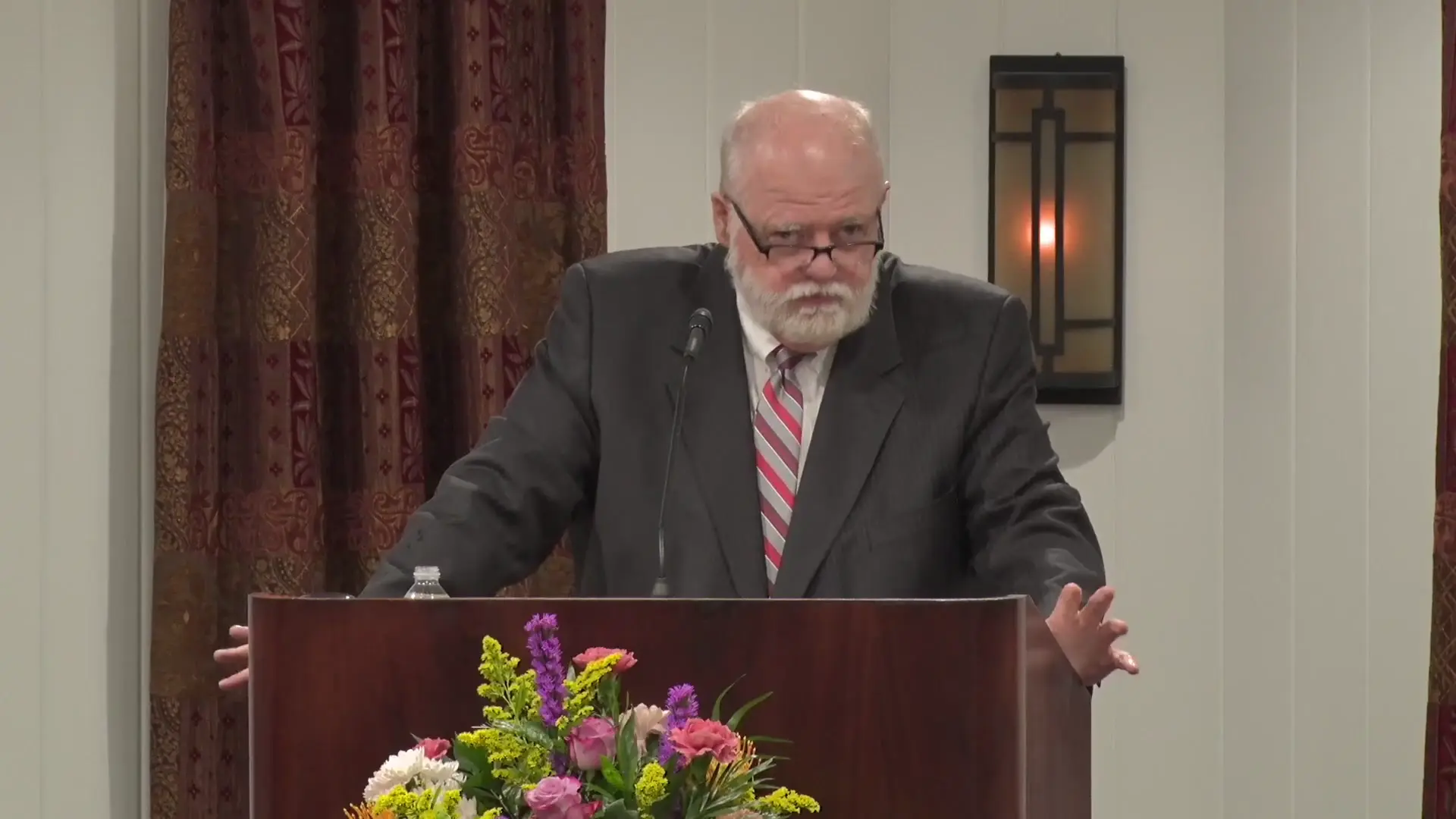
The Sons of Korah: Door Keepers
Sermon by Ted E. BowlingThe narrative of Korah, Dathan, and Abiram reveals a profound lesson in humility and obedience within the context of serving God. Korah, a descendant of Levi, led a rebellion against Moses and Aaron, as recorded in Numbers 16:3, challenging their authority by asserting that the entire congregation was holy and questioning why Moses and Aaron exalted themselves. This act of pride and disrespect for God's chosen leaders resulted in divine judgment. The earth opened and swallowed Korah, Dathan, and Abiram alive, and fire consumed 250 of their supporters, marking them as a sign of warning, as noted in Numbers 26:10-11. Remarkably, the children of Korah did not perish with their father. Unlike the families of the other rebels who stood with Korah and were destroyed, the sons of Korah aligned themselves with Moses, demonstrating faith and obedience. This distinction spared them from the fate of their father. Over time, their lineage transformed from one of rebellion to one of devoted service. David and Samuel appointed the Korahites as gatekeepers of the Tabernacle, as seen in I Chronicles 9:17-19, entrusting them with the sacred duty of guarding the entrance to God's house. The sons of Korah embraced their role with profound dedication, expressing their longing to serve even as doorkeepers in the house of God, as reflected in Psalm 84. This psalm, attributed to them, reveals their heartfelt desire to be near God's presence, valuing a single day in His courts above a thousand elsewhere. Their transformation from a legacy of rebellion to one of humble service stands as a powerful example of redemption and the honor found in guarding the sanctity of God's dwelling place.
Countering Presumptuousness
Sermon by Richard T. RitenbaughIn the narrative of Numbers 16, the rebellion of Korah, Dathan, and Abiram exemplifies the grave sin of presumptuousness. Korah, a son of Izhar from the tribe of Levi, along with Dathan and Abiram, sons of Eliab from the tribe of Reuben, and On, son of Peleth, gathered 250 leaders of the congregation, men of renown, to rise up against Moses and Aaron. They accused Moses and Aaron of taking too much authority upon themselves, asserting that all the congregation was holy and that the LORD was among them, questioning why Moses and Aaron exalted themselves above the assembly. Moses, upon hearing their challenge, fell on his face and responded by declaring that the LORD would show the next morning who was His chosen and holy, the one whom He would cause to come near to Him. He instructed Korah and his company to take censers, put fire and incense in them before the LORD, to determine whom the LORD would choose as the holy one. Moses further rebuked them, pointing out that the God of Israel had already separated the sons of Levi to serve in the tabernacle and stand before the congregation, yet they sought the priesthood as well, revealing their discontent with the roles God had assigned them. As a consequence of their rebellion, Moses warned the people to separate themselves from Korah, Dathan, and Abiram. When he finished speaking, the ground split apart under them, and the earth opened its mouth, swallowing them, their households, and all their possessions. They went down alive into the pit, and the earth closed over them, causing them to perish from among the congregation. This dramatic judgment underscored God's swift punishment of presumptuous sin, demonstrating that those who exalt themselves are cast down, as their actions defied the authority and placement God had established.
A Warning from Jude (Part Three)
CGG Weekly by David C. GrabbeKorah and his ilk had a message of equality and populism, but were really interested in enhancing their own positions. God places people as He pleases.
Authority: Why So Many Resent It
Sermon by Martin G. CollinsIn the narrative of pride and rebellion against authority, the story of Korah, Dathan, and Abiram stands as a stark warning. Korah, a cousin of Moses and a man of renown in the congregation of Israel, held a significant position in the priesthood. Yet, cloaked in the hardness of pride, he deceived himself into believing he was not truly rebelling but rather rescuing Israel from perceived authoritarianism. He portrayed himself as altering the government to serve the people more equitably, masking his true motives with grandiose deceits. Korah's craftiness rallied murmurers and hardened rebels into a campaign that sounded altruistic, claiming more power for the people. This led to a brazen uprising against Moses and Aaron, as recorded in Numbers 16:2-3, where two hundred and fifty leaders of the congregation accused them of exalting themselves above the assembly of the Lord. Moses, in abject humility, prostrated himself, fearing God's wrath upon the rebels and the nation. Korah, along with Dathan and Abiram, refused to heed Moses' call, defiantly rejecting his authority with accusations and complaints, as seen in Numbers 16:8-14, blaming Moses for their plight in the wilderness. Despite any partial truths in their grievances, their attitude of pride, self-centeredness, and rebelliousness was a wicked sin. The rebellion culminated in a divine judgment, as described in Numbers 16:28-34, where the earth opened and swallowed Korah, Dathan, Abiram, and their followers alive into the pit, a drastic measure by God to save the rest of the nation from the sin of pride and arrogance. This event, highlighted in Jude 11 as an example of perishing in rebellion, underscores the severe consequences of rejecting authority out of self-centered pride, serving as a sobering reminder of the peril in questioning rightful authority without just cause.
Taking Our Lead From God
Article by StaffIn the history of God's church, many have mirrored the rebellious spirit of Korah, Dathan, and Abiram, striving for prominence and power as seen in Numbers 16:1-50. These individuals, initially few, challenged the divinely appointed leadership of Moses and Aaron, accusing them of self-exaltation with the claim that all of Israel was holy and the Lord was among them. Their argument, though seemingly reasonable, was rooted in presumptuousness, a sin that quickly spread, ensnaring 250 renowned men and ultimately leading to the death of nearly 15,000 people. Despite witnessing the divine judgment of fire consuming their leaders, the congregation continued to blame Moses and Aaron, revealing a persistent attitude of disobedience and rebellion. This same mindset of self-righteousness and contentiousness, evident in Korah's example, sadly permeates the church today, as many forget that God alone determines rightful leadership and roles within His flock.

Ingratitude
Article by Mark SchindlerSome people cannot seem to realize a blessing if it slaps them across the face! Ingratitude can hold a person back in his or her relationship with God.
Sanctification and Holiness (Part 2)
Sermon by John W. RitenbaughDathan and Korah agitated for a democratization of priestly responsibilities. God shows that not everybody set apart is holy in the same way.
Think Soberly (Part One)
Sermon by Mark SchindlerAs we examine our spiritual gifts, we must avoid any presumption that we alone carry exclusive knowledge that other church groups are too blind to see.
Thou Shall Not Covet
Sermon by John O. ReidBecause virtually every sin begins as a desire in the mind, the command against coveting (lustful cravings) could be the key to keeping the other commandments.
The Handwriting Is On the Wall (Part Two) (2007)
Feast of Tabernacles Sermon by John W. RitenbaughThe sheep do not belong to any man or group, but to Christ. It is Christ's responsibility to get the sheep into the Kingdom, not the ministry's.
Sanctification and Holiness (Part 3)
Sermon by John W. RitenbaughIn Numbers 16-18, God performed several miracles to demonstrate conclusively that not everyone is called to the same function and that He remains the Boss.
Questioning God
Sermonette by Joseph B. BaityBiblical figures such as Miriam, Job, and Zechariah illustrate the dangers of questioning of God's sovereignty or authority.