


Filter by Categories
Curses
Sermonette by Martin G. CollinsUttering curses with the desire to inflict pain upon someone is as old as humanity. The Bible calls for the death penalty for cursing parents or dignitaries.
Reacting to Criticism
Commentary by Martin G. CollinsMany engage in the destructive habit of criticizing others in a demeaning way, fostering a critical mood that permeates society. Negative and derogatory comments are inevitable, and it is a constant challenge to control the tongue, both our own and that of others. We cannot avoid criticism, no matter how hard we try, as it will come regardless of our actions or inactions. David's experience with being cursed by Shimei illustrates a wise response to such hostility. Even under the stress of his son Absalom's rebellion, David did not react with anger but committed himself to God, using wisdom to handle the situation. God often tests our patience and forbearance in trials, sometimes requiring us to endure curses with compassion rather than seeking vengeance. When we accept criticism, whether right or wrong, without retaliation in thought or action, God may see our anguish and compensate us with a blessing, for He sees all. Jesus Christ offers guidance on reacting to those who wrong us, teaching that we should show compassion and forgive them. If we desire God's forgiveness for the things we say about others, we must first forgive those who offend or harm us. Solomon's wisdom in Ecclesiastes 7 advises not to take to heart everything people say, lest we hear someone cursing us, acknowledging that our own hearts have known times when we, too, have cursed others.
Are You Sharp-Tongued? (Part One)
'Ready Answer' by StaffThe power of the tongue to both bless and curse is a profound duality. With it, we bless our God and Father, and with it, we curse men, who have been made in the similitude of God. Out of the same mouth proceed blessing and cursing, and this ought not to be so. Most individuals do not constantly speak blessings or pronounce curses without end; rather, their words often fall somewhere in between, occasionally flying out in anger or defensiveness. No one desires to wreak havoc or destruction on others through their utterances, yet each possesses the ability to effect such harm. Consider the inconsistency of a spring sending forth both fresh and bitter water from the same opening. Can a fig tree bear olives, or a grapevine bear figs? No spring can yield both salt water and fresh. This illustrates the contradiction in our speech when we allow both kindness and cruelty to flow from us. If words hurt or cut others down even occasionally, it raises the question of how much bitterness taints the stream before it is noticed. The expectation in relationships is to trust that words will be refreshing, pleasant, loving, and positive. When harsh words of anger, gossip, merciless criticism, or caustic sarcasm strike, especially in moments needing kinder attention, it brings shock and a sense of betrayal. All are capable of such communication, and each must examine whether their tongue produces both figs and olives, both fresh and bitter water.
Sticks and Stones
'Ready Answer' by Ted E. BowlingWhat are we to do when destructive words come our way? We must learn to take everything with much patience and longsuffering, which will result in peace.

Ecclesiastes and Christian Living (Part Thirteen): Confessions
'Personal' from John W. RitenbaughAs he closes Ecclesiastes 7, Solomon makes a confession about the search for wisdom, saying that, even to him, true wisdom remained beyond his grasp.
Ecclesiastes Resumed (Part Twenty-Five)
Sermon by John W. Ritenbaugh (1932-2023)Gossip about us from someone we may have trusted can be painful, yet our tongue has likely been just as detrimental against someone who may have trusted us.

Taking an Insult
Sermon by Ted E. BowlingWhen Jesus commands us to turn the other cheek and go the extra mile, He did not present that option as weakness but as powerful demonstrations of spiritual maturity.
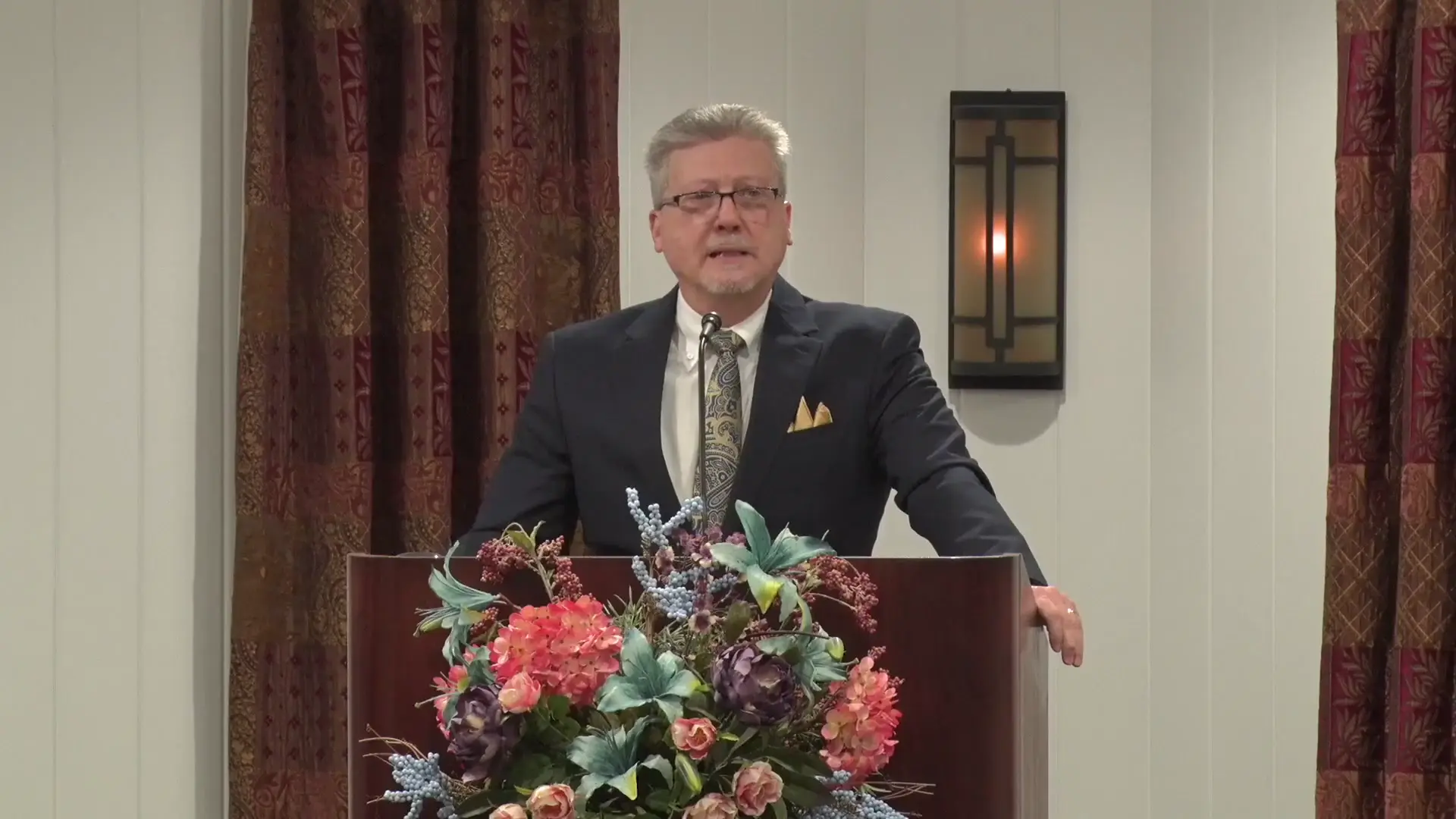
Psalm Genres (Part Two): Imprecatory Psalms
Sermon by Richard T. RitenbaughThe concept of cursing others, technically called imprecation, forms the foundation for understanding a distinct category of psalms known as imprecatory or curse psalms. An imprecation is a spoken curse, literally meaning "to pray toward" or "upon," and in its biblical sense refers to a formal prayer or psalm asking that calamity befall someone. This practice appears in Scripture through righteous figures such as Joshua, who cursed anyone who would rebuild Jericho as a fortified city, and even Jesus Christ, who cursed a fig tree to teach lessons about faith and hypocrisy. These examples establish that not all curses are inherently evil, since God allowed both Joshua and Jesus to pronounce them. The imprecatory psalms themselves—found in psalms such as 5, 69, 83, 109, and 137, among others—arise from authors under severe persecution who call for disaster or death upon their enemies. Rather than being expressions of petty vindictiveness, these are cries for God's justice against extreme, life-threatening evil. Four principles clarify their proper understanding: first, they are prayers directed to God, never personal acts of vengeance—the psalmists never take matters into their own hands. Second, they arise from a deep sense of violated justice, functioning as hyperbolic expressions of outrage against egregious wickedness rather than everyday grievances. Third, they call for God's justice as a means of mercy for the oppressed, seeking to balance the scales of righteousness rather than empower the victims to retaliate. Fourth, they are rooted in the covenant relationship between God and Israel, as seen in Deuteronomy 29-30, where God promised blessings for obedience and curses for disobedience, including turning curses back upon Israel's enemies once the nation repented. Examples like Psalm 83 show Asaph asking not merely for destruction but for the enemies' shame to lead them to repentance and seeking God's name. Psalm 5 demonstrates the pattern of lament, brief imprecation, and trust in God's righteous defense. Psalm 109, containing twenty-four curses, illustrates hatred directed not at people themselves but at the sin and wickedness God Himself hates, with David explicitly leaving vengeance to God rather than claiming it himself. Ultimately, these psalms must be weighed against Christ's command in Matthew 5:43-45 to love enemies, bless those who curse, and pray for persecutors, reflecting the character of a Father who gives sun and rain to both evil and good. Cursing others in the imprecatory sense is therefore rarely appropriate for believers today; it requires the righteousness of figures like David or Joshua, freedom from personal hatred or spite, and genuine submission to God's justice. Rightly understood, these psalms serve not as models for habitual cursing but as tools for processing anger and trusting that God will punish wickedness in His own time, even if final justice awaits Christ's return.
Swear Not at All!
'Ready Answer' by StaffToday's society is becoming increasingly insensitive and calloused to the base and profane words. Here is how to eliminate obscenities from our lives.
The Sixth Commandment (Part One) (1997)
'Personal' from John W. RitenbaughOur society is becoming increasingly violent. The sixth of the Ten Commandments covers crime, capital punishment, murder, hatred, revenge and war.

Elisha, the Young Men, and the She-Bears
'Ready Answer' by Ted E. BowlingSome see Elisha's encounter with the youths of Bethel and the she-bears in II Kings 2:23-24 as cruel and vengeful. The narrative tells a different story.
The Beatitudes, Part 8: Blessed Are the Persecuted
'Personal' from John W. RitenbaughPersecution is a fact of life for a Christian. Jesus Christ says we are blessed if we are persecuted for righteousness' sake — here's why.
Elisha, the Young Men, and the She-Bears
Sermonette by Ted E. BowlingSome Bible commentaries call Elisha short-tempered for causing two female bears to maul 42 youths for making fun of him. There is more to the story.
Communication and Leaving Babylon (Part Two)
'Personal' from John W. RitenbaughOur human nature reflects the nature of malevolent spirits' attitudes. The only way to overcome it is through God's creating a new heart in us by His Spirit.
Sanctification and the Teens
Sermon by John W. RitenbaughYoung people in the church must realize that they are not invincible. Not only is God's law no respecter of persons, but also sanctification can be lost.
Government (Part Five)
Sermon by John W. RitenbaughOnly those who are governable will be allowed to govern with God. No government will work without each individual submitting in his area of responsibility.
Back to Life (Part Five)
Sermon by Martin G. CollinsAll of us who are called by God are so precious in His sight that Jesus Christ, before we were even born, died for us, saving us from oblivion.
Balaam and the End-Time Church (Part 1)
Sermon by Richard T. RitenbaughBalaam illustrates the paradox of someone who knows God's will, but willfully and deliberately disobeys, presumptuously thinking he could manipulate or bribe God.