


Filter by Categories
The Power of the Holy People
CGG Weekly by David C. GrabbeThe power of the holy people, where the church is concerned, is the Holy Spirit, the essence of God's mind and the agency by which the Father and the Son live in the begotten Christian. More specifically, this power is God Himself, the Source of that Spirit. The church's power, Jesus Christ living in us by His Spirit, ensures that the gates of the grave will not prevail against the church, and God's purpose will not fail. Even though it is prophesied that the holy set-apart peoples of Israel will fall, and the church of God may not always have an open door to preach the gospel powerfully to the world depending on what God is doing at any given time, we can have every confidence that the power of the New Covenant church will never be shattered, for that power is God Himself. The holy people mentioned in Daniel 12:7 could represent the nations of Israel, and the idea that their power can be shattered implies that God's power is not under discussion.
Entrusted with Godly Holiness
Feast of Tabernacles Sermon by Mark SchindlerGod has entrusted His holiness to those called now into the body of His Son, Jesus Christ, forming a relationship with Him that must stand forever. This entrusted holiness is being honed in a major separation from the ways of this dying world, both physically and spiritually. Those called to offer sacrifice to God bear a major responsibility, not only for themselves but for all of mankind who will follow under our elder brother, Jesus Christ. As part of this tiny called-out group from all over the world, we are entrusted with His holiness through His Spirit, to be united in love with the Father and the Son, and to be holy as They are holy. This entrusted holiness and love will be a beacon of our unity with Him for the entire world to see, bringing the wrath of a dying world upon those called now, yet we must remain faithful in the place He is preparing for us through continuous growth, understanding, and love under the guidance of the Holy Spirit. In this very room and among the scattered brethren of God are the elect, called to truly be holy as God is holy, in unity through His Holy Spirit. God has entrusted us now with His holiness from the inside out, and we must vigorously stay the course, diligently learning and living His Word. This is our entrusted position for eternity, and we must be fervently driven in every aspect of our lives to grow in truth, love, and grace under His tender loving care. Judgment has begun with the household of God, and we need to be carefully diligent with the holiness already entrusted to us.
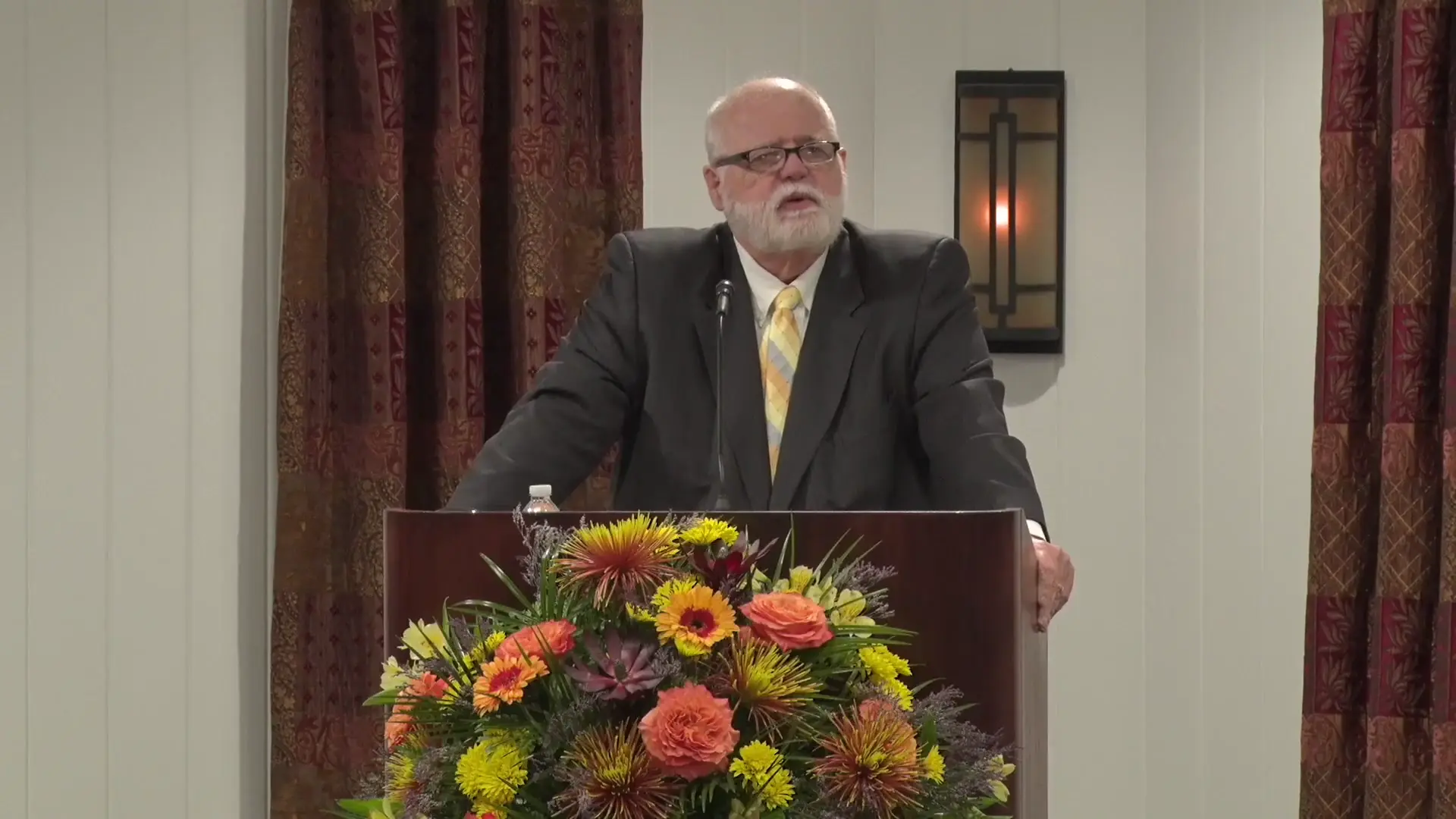
Be Holy, as I am Holy
Sermon by Ted E. BowlingGod has called us to be holy, set apart for His purpose, just as He sanctifies the Sabbath as a sign between Him and His people. Holiness means to be a cut above, separated from our sinful nature and dedicated to God, reflecting His character and qualities through the possession of His Holy Spirit. As recorded in I Peter 1:15-16, we are to be holy in all our conduct, for He who called us is holy. God made Abraham holy by separating him from his family, establishing a covenant with him, as seen in Genesis 12:1-3 and 17:1-7. Abraham walked before God blamelessly, demonstrating faithfulness and devotion, earning the title of friend of God, as noted in James 2:23 and Isaiah 41:8. This relationship exemplifies the bond God desires with His people, to be close, to love Him, and to share in His interests. The children of Israel were chosen as a holy people, a special treasure above all nations, to represent God on earth, as stated in Deuteronomy 14:2 and Exodus 19:5. They were called to live in obedience to His commandments and covenant, maintaining a distinct identity as a light to other nations. Despite being made holy, their loyalty often wavered under worldly influences. Today, we are also made holy, chosen to be a special treasure and a light to the world, as reiterated in Deuteronomy 14:2 and John 15:16. God chose us before the foundation of the world to be holy and blameless before Him, according to Ephesians 1:3-6. As I Peter 2:9 declares, we are a chosen generation, a royal priesthood, a holy nation, called out of darkness into His marvelous light to proclaim His praises. Titus 2:11-14 further emphasizes that Christ gave Himself to redeem and purify us as His own special people, zealous for good works. Becoming holy is a process of sanctification and conversion, requiring us to grow closer to God through obedience and godly conduct. As urged in I Peter 1:13-15, we must gird up the loins of our mind, preparing mentally and spiritually for challenges, focusing our thoughts to resist temptation, and striving to be holy as He is holy. Finally, II Peter 1:10 calls us to be diligent in confirming our calling and choosing by God, ensuring our behavior reflects our relationship with Him and leads others away from sin.
The Holiness Code
Sermon by Richard T. RitenbaughThe concept of Holy People is central to understanding the purpose of the laws and statutes in Leviticus, particularly in chapters 17 through 23. God has set apart His people, declaring them holy through a covenant relationship, as a reflection of His own holiness. He proclaims, "You shall be holy, for I the LORD your God am holy," emphasizing that His essential nature is purity and that His people must strive to mirror this character. This holiness is not achieved merely by following laws, but begins with God's act of sanctification. He sets His people apart as a holy nation, chosen by His grace, to reflect His righteous character. Only God has the power to make something holy, as no human can attain this state without His involvement. The laws provided are a guide to teach how God lives, showing the way His people should live to remain set apart and grow in holiness. The process of becoming holy is twofold. Initially, God pronounces His people holy through a legal declaration when they enter into covenant with Him. Subsequently, they must spend their lives growing in holiness, learning to live as He does through obedience and cooperation with His Spirit. This ongoing sanctification is a response to being set apart, not the means to achieve it. God's purpose is to build righteous character in His people, a process requiring willing cooperation over time. Without His Spirit, adherence to these laws results only in moral behavior, not true holiness. Those whom God calls and works with can become truly holy, reflecting His character in thoughts, speech, and deeds, growing more like Christ and thus becoming holier. The laws given to Israel were meant to show His way, setting them apart as a physical nation. While some laws may not apply in their literal form to a spiritual nation living among other nations, their spiritual principles remain relevant. These principles help maintain holiness and promote the building of holy character, ensuring that God's people continue to reflect His unchanging nature.
As He Is Holy (Part One)
CGG Weekly by Ronny H. GrahamGod's people are called to be holy, set apart for His purpose. As declared in Leviticus 20:7-8, 26, we are to consecrate ourselves and be holy, for He is the LORD our God, who sanctifies us and has separated us from the peoples to be His. This holiness is not merely an initial state but a process, as we must grow in obedience to become holy as He is holy. Exodus 22:31 reinforces this, stating that by following God's instructions, we shall be holy men to Him, indicating a future fulfillment and ongoing transformation. Furthermore, the brethren are described as holy, referred to as saints or holy ones, underscoring our sacred calling. Our attitude toward holiness must reflect reverence for what God has designated as holy, recognizing the seriousness of being set apart for Him.
Sanctification and Holiness (Part 1)
Sermon by John W. RitenbaughThe concept of sanctification, or being set apart by God for a special purpose, defines the identity of His chosen ones as holy people. God declared to the Israelites in Exodus 19:6 that if they obeyed His voice and kept His covenant, they would be a peculiar treasure to Him above all people, a kingdom of priests, and a holy nation. This setting apart is not due to any inherent superiority, as Deuteronomy 7:6-8 clarifies that the LORD chose them to be a special people unto Himself, not because they were numerous, but because of His love and the oath sworn to their fathers. Similarly, in I Peter 2:9-10, the church is described as a chosen generation, a royal priesthood, a holy nation, and a peculiar people, called out of darkness into His marvelous light to show forth His praises. This parallel underscores that both Israel and the church are sanctified by God's grace, not by their own works, to be distinct from the world. God's act of sanctification involves separating His people for His purpose, as seen in Isaiah 43:10-12, where He calls them His witnesses to declare that He alone is God. This responsibility to witness through living a set-apart life is central to their identity as holy people. Furthermore, I Peter 1:15-16 emphasizes the call to holiness, urging them to be holy in all manner of conduct, just as He who called them is holy, reflecting the purity and cleanliness implied in sanctification. Thus, those set apart by God are to embody His character, becoming a dwelling place for Him, individually and collectively, as a spiritual house and priesthood offering acceptable sacrifices through Jesus Christ, as noted in I Peter 2:5.
Sanctification and Holiness (Part 5)
Sermon by John W. RitenbaughHoliness begins not with human effort but with divine action: God declares in Deuteronomy 14:1-2 that Israel is "a holy people unto the LORD your God," a status conferred by His choice rather than earned by works. This calling immediately carries practical weight, for the same passage forbids eating anything "abominable," a term denoting what is impure, unclean, and devoid of holiness—paralleling the earlier concept of the "stranger," something unrecognized and unacceptable to God. Leviticus 11 reinforces this by linking dietary law directly to holiness: "You shall sanctify yourselves, and you shall be holy; for I am holy." Eating unclean things renders one defiled, and this defilement is not merely ceremonial. Leviticus 18:23 and Ezekiel 22:11 use the same Hebrew word (tameh) for sexual sin and spiritual corruption, proving that dietary defilement carries genuine spiritual weight, not just ritual symbolism. This principle of holiness extends to worship itself. Malachi 1 shows God rejecting blemished offerings because they reveal contempt for Him; what is placed on His altar—symbolically His table—must be pure, just as His holy people must remain pure. Only unblemished animals from the clean list of Leviticus 11 and Deuteronomy 14 qualify as offerings, demonstrating that God accepts back only what He Himself has sanctified and designated. Under the New Covenant, this holiness is internalized: believers are now the temple of the Holy Spirit and of God Himself (1 Corinthians 3:16-17; 6:19-20), replacing the physical Tabernacle and Temple as God's dwelling place. Defiling this spiritual temple—whether through unclean eating or sin—is equated with the ancient defilement of God's sanctuary, as illustrated by Antiochus Epiphanes's desecration of the Temple with swine's flesh. Acts 10 clarifies that only those God cleanses through His calling and the blood of Jesus Christ are made holy; all others remain unclean, defiled, and unrecognized by Him—strangers in the New Testament sense. Haggai 2 illustrates that holiness cannot be transferred by contact, but defilement can: uncleanness spreads while holiness does not. This means God's holy people must guard their purity actively, since sin—not mere ceremonial food violation—renders both persons and their offerings unacceptable to God, exactly as it did for the defiled priests of Malachi's day. This entire framework converges on the question of the Wavesheaf offering in Joshua 5. Since only offerings from consecrated, covenant-keeping people are acceptable, and since Canaanite grain and land were declared defiled and abominable (Leviticus 18:24-25; Ezekiel 36:17), no Wavesheaf offering could lawfully have been made from Canaanite produce. Only grain planted and harvested by circumcised Israelites—descendants of Abraham, the line through which Christ Himself came—could symbolically represent the Firstfruits, Jesus Christ. This is why Joshua 5 records no Wavesheaf offering: Israel possessed no qualifying grain, reaffirming that only what God's holy people cultivate, consecrated to Him, is fit to symbolize the holiness of His Son and the true beginning of the Pentecost harvest.
Holiness of God (Part 3)
Sermon by John W. RitenbaughAs bearers of God's name, we must aspire to holiness. Perfecting holiness is the process by which we are transformed from the glory of man to the glory of God.
Deuteronomy and Holiness
Feast of Tabernacles Sermon by John W. Ritenbaugh (1932-2023)God has provided the God-plane marriage relationship to teach us how to submit to one another, sacrificing our self-centeredness for the benefit of our spouse.
The Priesthood of God (Part Three)
Sermon by John W. Ritenbaugh (1932-2023)Because God is holy, His people must also be holy, displaying the character of God. Holiness designates God-like qualities found in those sanctified by God.
Living Up to Our Responsibilities
Sermonette by Mark SchindlerMuch of the pain and anguish of a trial to the Body of Christ may well be caused by someone letting down in his or her responsibility within the Body.
His Eye Is on the Sparrow (Part Four)
Sermon by John W. Ritenbaugh (1932-2023)From the beginning, God has set apart certain individuals, putting them through a sanctifying process, perfecting their character until they reflect His image.
Who Are We and Where Do We Fit? (Part One)
Sermon by John W. Ritenbaugh (1932-2023)If we really considered or believed in our hearts that our calling was truly a treasure, we would take extraordinary steps to prevent any loss of it.
His Eye Is on the Sparrow (Part Five)
Sermon by John W. Ritenbaugh (1932-2023)As the lives of the major biblical figures were predestined, so are our lives. God chooses, moves, and manages the lives of His servants.
Deuteronomy (Part 7)
Sermon by John W. RitenbaughSanctification is an incremental process in which we systematically destroy the sin within us as our forebears were asked to destroy the inhabitants of Canaan.
God's Perseverance With His Saints (Part One)
Sermon by Martin G. CollinsGod, as our true Shepherd, provides total protection of His called out-ones forever. Being kept in God's name refers to assimilating the attributes of God.
His Eye Is on the Sparrow (Part Three)
Sermon by John W. Ritenbaugh (1932-2023)We do not need to excessively fear Satan, his demons, or the world, but we should fear and respect the One who has complete involvement in our lives.
The World (Part 1)
Sermon by John W. RitenbaughOur worldview must be shaped by a fear of God, a love for His people, and a hatred for the world's practices that destroy our relationship with God.

Pentecost Revisited (Part Two): Joshua 5
'Personal' from John W. RitenbaughJoshua 5 makes no mention of a harvest, an altar, a priest, the waving of the sheaf, or the offerings God commanded to accompany the waving of the sheaf.
New Covenant Priesthood (Part Two)
Sermon by John W. RitenbaughThe Sabbath is not a mere ceremonial observance, but identifies God's people as different, and consequently a perpetual irritant to the world.
Searching for Israel (Part Twelve): The Sign
Article by Charles WhitakerMost Israelites are blind to their origins, thinking that only Jews are Israelites. Here is why Israel has forgotten its identity.
Examine and Come Out
Sermon by John W. RitenbaughThe Old Testament examples were given to show us what God had to do to pave the way for our calling, sanctification, and ultimate glorification.