


Filter by Categories
Asa's Laodicean Attitude
Sermonette byKing Asa started his reign trusting in God's intervention and providence, but like the Laodiceans, he finished his course weak and compromised. Here's why.

Job, Self-Righteousness, and Humility
'Personal' from John W. RitenbaughThe story of Job reveals a man whom God forced to see himself as he really was, and his true self-image paved the way to a leap forward in spiritual growth.
The Beatitudes, Part Two: Poor in Spirit
'Personal' from John W. RitenbaughWhat is it to be poor in spirit? This attribute is foundational to Christian living. Those who are truly poor in spirit are on the road to true spiritual riches.
New Covenant Priesthood (Part Six)
Sermon by John W. RitenbaughWe must have both perseverance and humility in prayer to keep our vision sharp and clear. Without humility, the doorway to acceptance by God is closed.
God's 'Heart Measure'
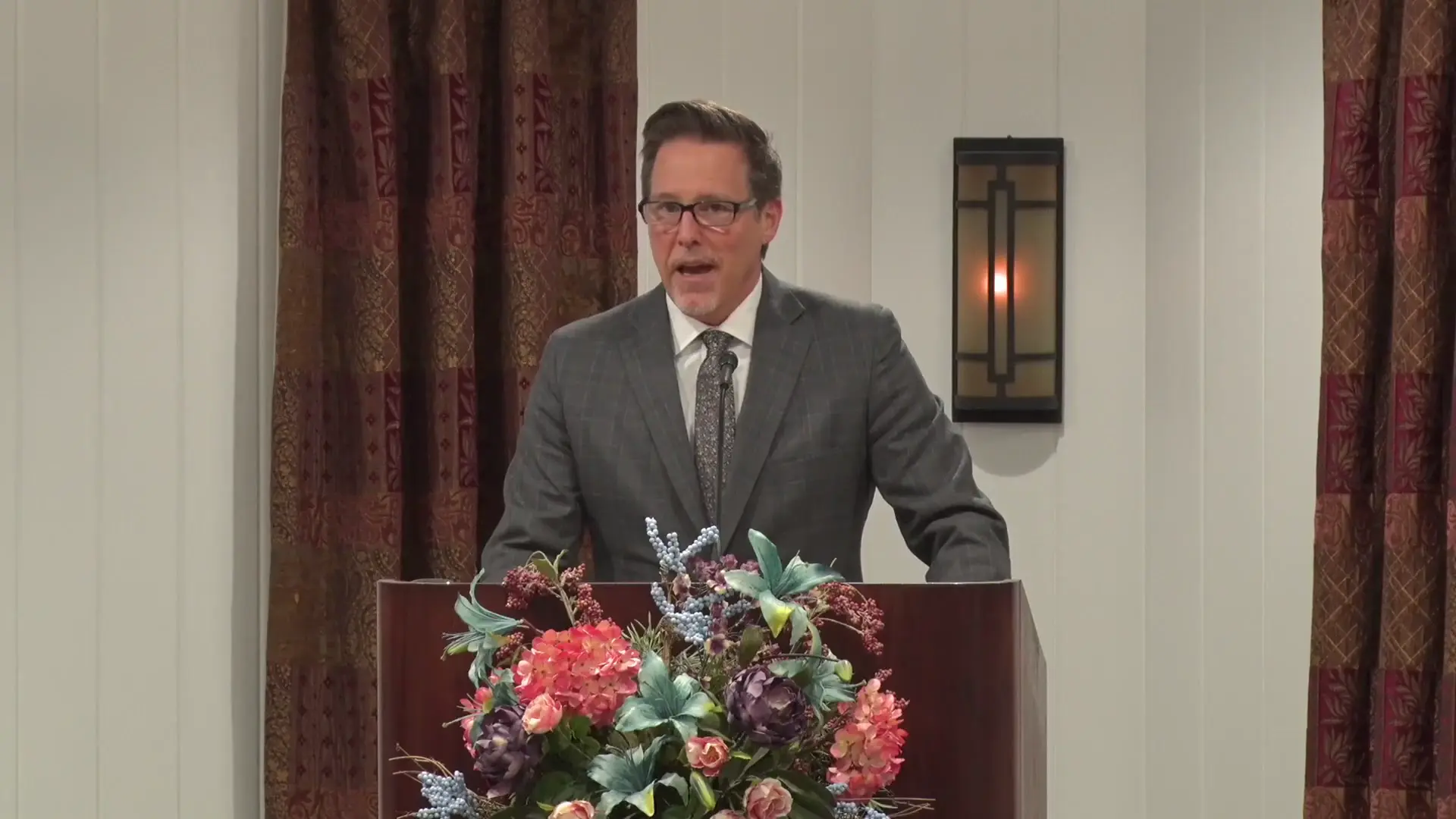
Sermon by Bill OnisickAs we examine our hearts, we must recognize our spiritual bankruptcy, understanding that we have earned nothing of spiritual value. Jesus Christ begins His ministry in Matthew 5:3 by declaring, "Blessed are the poor in spirit, for theirs is the kingdom of heaven," emphasizing that this attitude is the most critical and essential element for a relationship with God. Being poor in spirit is not about physical poverty but a spiritual state of being completely destitute, helpless, and wretched, as conveyed by the Greek word ptochos (Strong's 4434), which carries a far deeper meaning than simply being poor. Our carnal hearts, rich in spirit, are full of pride and self-righteousness, often comparing ourselves to others and judging them, which God despises. In contrast, to be poor in spirit is a product of God's Spirit working within us, as Jesus teaches in Luke 17:10 that even after doing all we are commanded, we must say, "We are unprofitable servants. We have done what was our duty to do." The poor in spirit know they fall short daily in their hearts and are unprofitable in God's eyes, fostering an underlying humility when comparing our hearts to God's holiness. This spiritual bankruptcy restrains us from thinking badly of others and leads us to esteem them better than ourselves. Jesus proclaims in Luke 4:18 that He is anointed to preach the gospel to the poor, and in Matthew 11:5, He states that the poor have the gospel preached to them. Recognizing our complete dependence on God's mercy, we put on His yoke and Holy Spirit, as Jesus urges in Matthew 11:29, "Take My yoke upon you and learn from Me, for I am gentle and lowly in heart, and you will find rest for your souls." This poverty of spirit is the foundation of our internal relationship with God, driving us to a state of humility and lowliness in comparison to His greatness.
Deuteronomy (Part 5) (1994)
Sermon by John W. RitenbaughParadoxically, humble obedience and dependency upon God strengthens us, while prideful self-sufficiency weakens us.
The Beatitudes, Part Four: Hungering and Thirsting After Righteousness
'Personal' from John W. RitenbaughIt is quite rare to see a person who truly hungers and thirsts after God's way, but this is the kind of desire God wants us to have.
Parable of the Two Debtors
Bible Study by Martin G. CollinsJust as we have been forgiven a huge, unpayable debt, so must we extend forgiveness to those who owe us, showing that we appreciate what has been done for us.
Parable of the Two Sons
Bible Study by Martin G. CollinsPeople react to God's calling differently. The Parable of the Two Sons explains that one's ultimate obedience to God is what really matters!