


Filter by Categories

The Model Prayer (Part One): Introduction
Bible Study by Richard T. RitenbaughPrayer is meant to be a consistent, regular part of a Christian's worship. Jesus set the example by speaking to His Father often, rising well before dawn, withdrawing to private places, and praying all night before significant decisions. He commands His disciples to pray always, and since those who abide in Him ought to walk as He walked, His habit becomes the pattern for daily life. Through prayer in Christ's name, believers have direct access to the Father, who responds in love. Daily prayer must be sincere and private, not a hypocritical public display to win the approval of men, and not vain repetition of rote words as the heathens treat their idols. God is a real Person who desires a real relationship, so believers speak to Him reverently but personally. The model prayer, with its present-tense imperative verb suggesting habitual performance, is an outline for everyday prayers, not a script to recite mindlessly. It begins and ends with praise and honor of the Father, keeps the Kingdom of God in view, and places personal needs in the middle: daily provision, forgiveness, and help with trials and Satan's opposition. Because believers remain fleshly and often fail, they need constant physical and spiritual maintenance. Keeping God, His Kingdom, and His will as priorities matures prayers and lives.
Avoiding Prayer? Consider Carefully
CGG Weekly by Richard T. RitenbaughPrayer is earnest communication from human beings directly to the almighty God, who hears David and all who trust Him (Psalm 10:17; 34:15, 17). Jesus commands daily prayer: He says "when you pray," not "if," asks the Father for "daily bread," and teaches that men always ought to pray (Luke 11:1-4; 18:1; 21:36). Yet modern busyness crowds out prayer and Bible study and ultimately damages the believer's relationship with God. Prayer is far more than asking for things. The model prayer begins with honoring God's holy name, which places us in a humble attitude before the Most High. "Your kingdom come" is a statement of solidarity with His plan of salvation, recommitting us each day to what He is working out in us and in the world and keeping eternal life before us. "Your will be done" is a statement of submission, sending us from prayer determined to fulfill His will in every thought, word, and deed, provided we avoid vain repetition. Since the Father already knows our needs, physical requests occupy only a single line, and even that may allude to God's Word. Prayer's benefits are immediate, personal, and primarily spiritual: it orients us toward God and prepares us for the day. Neglecting prayer tells God that sleep, work, or entertainment matter more than He does, shows a weakening heart, and breaks the first and great commandment to love God with all the heart, soul, and mind (Matthew 22:37-38). A foundering prayer life is corrected with sincere, fervent, regular prayer, trusting that God will bring the believer safely home.
Agur's Prayer
Sermonette by Cody FordAgur presents a concise daily prayer that requests only two things from God: the removal of falsehood and lies along with provision of neither poverty nor riches but only the food allotted each day. This request arises from his awareness of human tendencies to deny God when full or to steal and profane His name when poor. By asking for balance Agur seeks to avoid extremes that lead to sin and instead maintain a right relationship with God. His approach models humility and dependence rather than self-centered petitions for success or abundance. The prayer illustrates that God supplies needs while desiring ongoing contact that keeps believers from drifting into pride or resentment. Daily conversation with Him through short thanks for ordinary blessings or requests for guidance strengthens the bond and reduces the likelihood of slipping into wrongdoing. When trouble arises such contact becomes the natural response rather than an occasional plea. Agur's example connects to the broader teaching that placing God first allows all other matters to align properly while constant prayer fosters the relationship He seeks with His people.
The Prayers of Jesus
Sermon by Richard T. RitenbaughPrayer is a vital spiritual tool, alongside fasting, study, and meditation, for forming God's character in us, and it must be used with the right attitude rather than by rote. Jesus is the example to follow, and His disciples likely saw Him pray at least daily, yet waited three years to ask Him to teach them. His Model Prayer in Matthew 6 is a template, not a vain repetition, and it moves through nine steps: salutation to the Father, praise, longing for the Kingdom, submission to God's will, daily needs, forgiveness (hinging on forgiving others), guidance and protection from temptation and the evil one, closing praise, and an "Amen" as a seal of commitment. Daily bread, daily forgiveness, and daily protection from Satan are things we need to ask for every day. Prayer is mainly private, as Jesus often withdrew alone, even praying all night or rising long before daylight, and is not for display like the Pharisees'. God already knows our needs, so prayer is for our benefit: it brings us into fellowship with the Father and Son and teaches us God's mind, as a son needs contact with his father to become like him. We pray in Jesus' name, which means asking what He would ask, and Christ as High Priest intercedes for our weaknesses. Jesus' own prayers, including thanks in rejection and submission in Gethsemane, model adoring acquiescence to God's will, in keeping with "pray without ceasing."
Are We Laodiceans?
CGG Weekly by Pat HigginsAt day's end, ask how much time we spent communicating with God and Christ and how much time They were in none of our thoughts (Psalm 10:4).
The Habit of Praising God
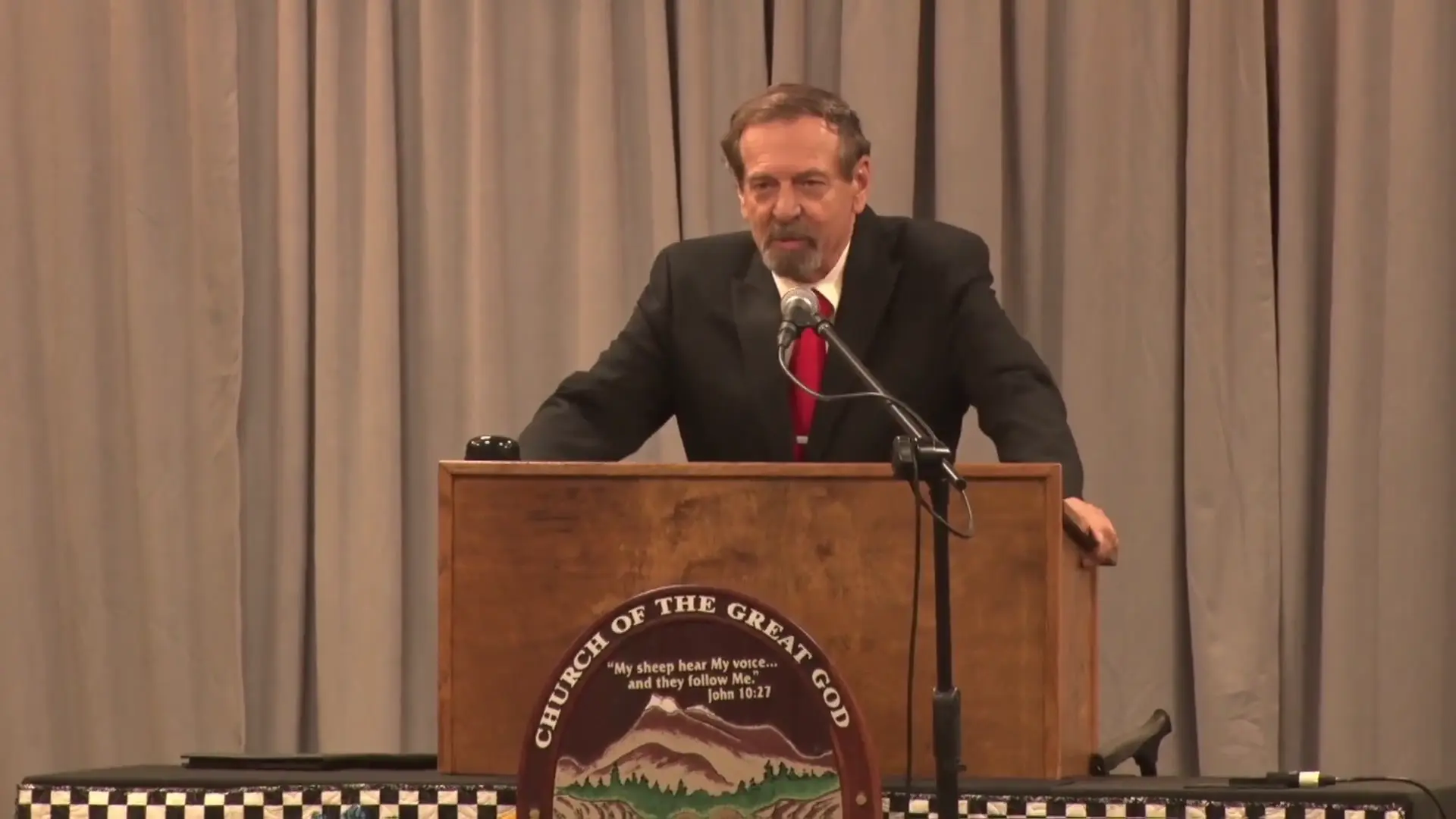
Feast of Tabernacles Sermon by James BeaubelleThe habit of praising God stands out as a disciplined, daily practice that flows from a humble, grateful heart rather than mere ritual or flattery.
Fearing God
Feast of Tabernacles Sermon by Kim MyersIf we fear our boss, college professor, employer, or spouse more than God, we are guilty of idolatry, putting human figures in the place of God.
The Book of Daniel (Part Four)
Sermon by Martin G. CollinsSin, the real opiate of the people, makes us oblivious to danger, giving us a debased and reprobate mind. It is not static, but leads to destruction.
Conforming to This World
Sermon by Richard T. RitenbaughIt is far easier to conform to the world than to Christ. We must yield to God to renew our minds, living in the spirit rather than in the flesh.
New Covenant Priesthood (Part Six)
Sermon by John W. RitenbaughWe must have both perseverance and humility in prayer to keep our vision sharp and clear. Without humility, the doorway to acceptance by God is closed.
Instruction in the Morning
Sermon by Charles WhitakerSpiritual breakfast is the most important meal of the day. The early morning hours seem to be the most advantageous time to receive the counsel of God.
Finishing Your Gun Lap
Sermon by John O. ReidThe most dangerous lap we encounter is when everyone around us tends to be compromising. Today, what was once aberrant behavior is now considered normal.
The Wearing Out of the Saints
Sermon by John O. ReidDaniel foretells of a leader who will 'wear out the saints of the Most High.' Though we may feel worn out now, we will prevail in the end if we stay the course.