


Filter by Categories
Overcoming (Part Two): Self-Justification
Bible Study by Richard T. RitenbaughAdmitting mistakes stands as a necessary step beyond overcoming self-deception, since once a person begins stripping away the lies he tells himself, human nature resists what it sees and turns instead to self-justification, defending either the behavior itself or the unwillingness to change it. This pattern is not new but traces back to the first humans, who, like Cain and later Ananias and Sapphira, attempted to hide their sins from God, from others, and even from themselves; as Herbert W. Armstrong observed, the hardest thing for a human being to do is admit he is wrong, and people will construct elaborate justifications rather than simply own their faults. Scripture illustrates this tendency through the lazy man who blames the weather or beasts in the street for his inaction, and Solomon warns that such self-justification can destroy a person, especially since delayed punishment only emboldens the heart to continue in evil. Familiar excuses—"it's too hard," "I forgot," "it's not fair," "the Devil made me do it"—do not impress Christ, who in the Parables of the Minas and the Talents condemned the servant who buried his talent as "wicked and lazy," judging by works rather than intentions or excuses. This habit of excusing sin is passed down to children, as parents who justify their own wrongdoing—paralleling the pattern seen in the kings of Judah—teach the next generation to rationalize bad behavior rather than admit fault, a tendency modern society reflects in pleas like temporary insanity, which may succeed in human courts but not in God's judgment. Even the admission "I'm only human, and all have sinned" can become another form of self-justification, allowing a person to hide behind humanity's universal sinfulness rather than confess specific sins, since God is not interested in excuses but in personal repentance, overcoming, and growth. Ultimately, self-justification gains nothing, for the penalty of sin is death, and only the sacrificial death of Jesus Christ can truly justify a person before God, who seeks those willing to admit their faults and work daily to overcome them, promising eternal reward to such overcomers. David exemplifies this needed admission of mistakes: after justifying his adultery and murder much as anyone might, he was confronted by Nathan, stripped of his self-deception, and responded not with further excuses but with genuine repentance, asking God to cleanse and purge him and resolving to serve God and others rather than himself. His example demonstrates that admitting one's mistakes, however serious, followed by sincere repentance and changed conduct, is essential to working out one's salvation and seeking the Kingdom of God.
Blame Games
Sermonette by Joseph B. BaityThe tendency to point fingers at others is hard-wired into human nature. Mistakes are the portals of discovery if we admit them and learn from them.

Lessons From Saul and David
Sermon by Ted E. BowlingGod chose both Saul and David, the first complying with the people's choice (judging by outward appearance and stature), the second by judging inwardly.
Self-Government and Responsibility (Part Three)
Sermon by John W. RitenbaughJacob's Trouble, or the Great Tribulation, comes about because people are not meeting their God-given responsibilities: keeping His Commandments.

How Much of the Mind of Christ Do We Have?
Sermon by David C. GrabbePossessing the mind of Christ is a lifelong process rather than a quick transformation. True unity requires seeking Christ's mind through faith, humility, and love.
The Imposter Syndrome
Sermonette byThe Imposter Syndrome leads to an identity crisis with an exterior covering or facade that protects exposure of internal feelings of inadequacy.
As Much as Depends on You
Sermon by Martin G. CollinsThough we are sometimes confronted with conflict, we have a duty to make peace through exercising love. Unity and peace are fruits of God's Spirit.
Teaching Us to Think (Part One)
Sermon by Richard T. RitenbaughGod is putting His children through a demanding educational program designed to teach godly values and impart spiritual maturity. Learning is hard work.
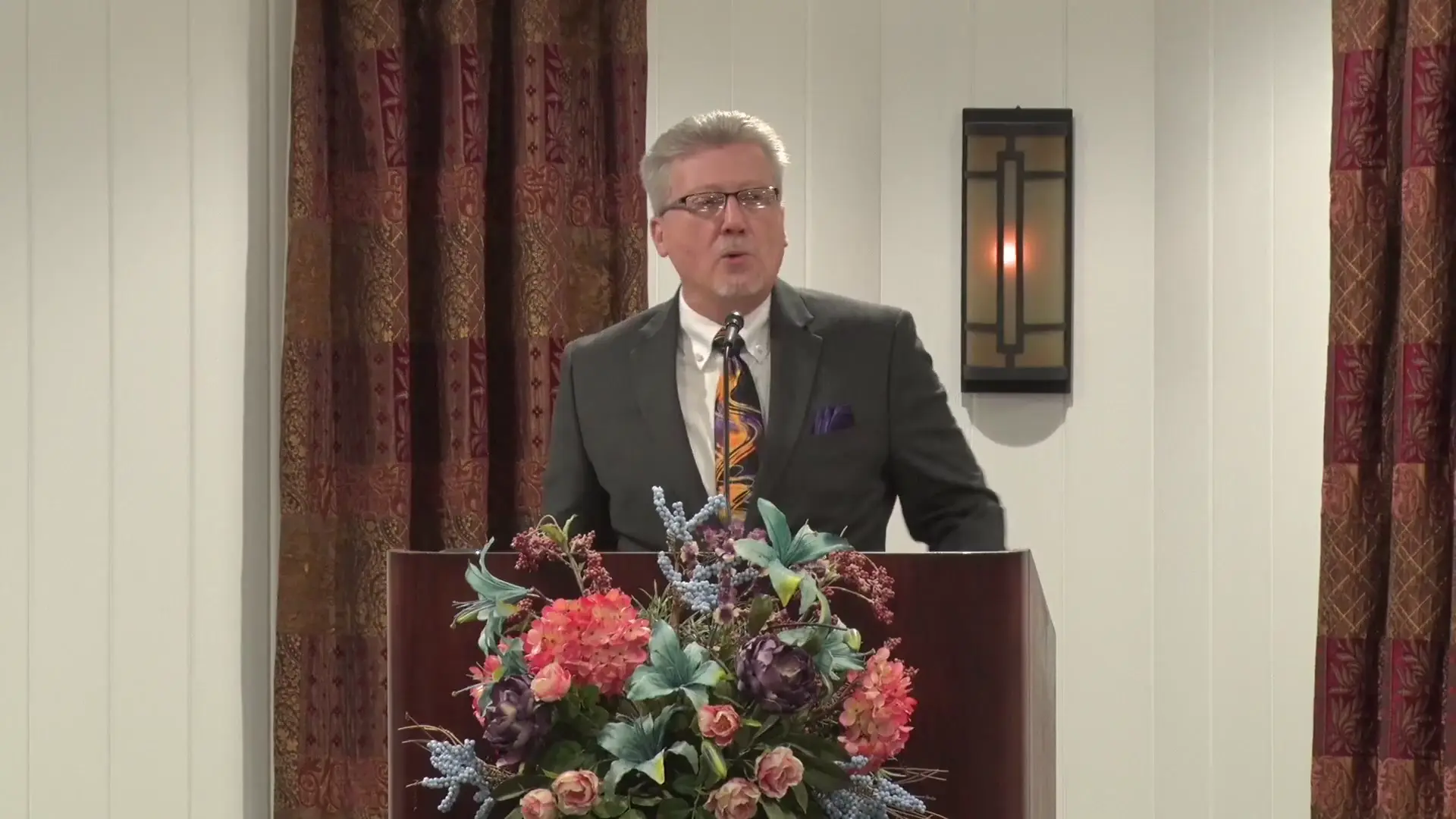
Joshua's Four Miracles (Part Two)
Sermon by Richard T. RitenbaughThe life and leadership of Joshua provide a metaphor for the Christian journey following baptism, a path marked by spiritual warfare, growth, and trust in God.

Have You Become an Example to All Who Believe?
Sermon by Martin G. CollinsWhether we are called to welcome others, speak truthfully, keep commitments, or guard our own speech, credibility flows from consistent daily actions.
Soldier On! (Part Two)
CGG Weekly by John ReissGod does not want us to allow hardships to paralyze us. Instead, He wants us to learn the lessons inherent in the trial and move forward in faith.
Ecclesiastes (Part Four; B)
Sermon by John W. RitenbaughGod manipulates events to occur at precisely the right time. The timing God uses for us are just as precisely planned and scripted as they were for Christ.