


Filter by Categories
Jerusalem and the Plan of Redemption
Sermon by Martin G. CollinsIsrael's harlotry and rejection of God's covenant gave Jerusalem an increasingly unsavory association, calling for its impending judgment and destruction.
Symbolism, Types, and Prophecies
Sermonette byWe must be careful about applying a biblical symbol to prophetic events too rigidly. The term 'Zion' may apply to the church, but not all the time.
City of Peace
Feast of Tabernacles Sermon by Martin G. CollinsParadoxically, Jerusalem has not been a city of peace, but a magnet for conflict, a situation which will not end until Christ returns.
One God and One God Only
Sermonette by Mike FordIn Genesis 22:2, God commanded Abraham to take his only son Isaac, whom he loved, and go to the land of Moriah to offer him as a burnt offering on one of the mountains that He would specify. Moriah refers to an area of land containing several small peaks, now known as Jerusalem, located 40 to 45 miles from Beersheba where Abraham lived at the time. In Genesis 22:14, after God provided a ram for the sacrifice instead of Isaac, Abraham named the place The-LORD-Will-Provide, reflecting the assurance that in the Mount of the LORD, it shall be provided, signifying God's provision for those who trust and obey Him completely.
Abraham's Sacrifice (Part Two): Love Exemplified
Sermon by Richard T. RitenbaughThe love of Abraham for Isaac serves as an emblem for the love of the Father for His Son and for all the children of Adam and Eve.
Eden, The Garden, and the Two Trees (Part Two)
Feast of Tabernacles Sermon by John W. RitenbaughThe real cradle of civilization is not Mesopotamia, but Jerusalem, where God started His physical creation and where He will bring it to spiritual fruition.
Abraham (Part Twelve)
Sermon/Bible Study by John W. RitenbaughBased on his long friendship with God, Abraham could systematically calculate the reliability of God's promises even in the lack of visual evidence.
Abraham's Sacrifice (Part One): Faith Perfected
Sermon by Richard T. RitenbaughThe Scriptures place a paramount importance on sacrifice. Abraham's 'sacrifice' of Isaac confirmed him to the position of father of the faithful.
Eden, The Garden, and The Two Trees (Part Three)
Feast of Tabernacles Sermon by John W. RitenbaughJesus' crucifixion took place outside the camp of Israel, just outside the border of the Garden of Eden, the general area where the Miphkad Altar stood.
The Angel of God
Sermon by Richard T. RitenbaughThe Angel of the Lord is the pre-incarnate Christ, who appears at critical moments in history to deliberately move events toward their fulfillment.
Abraham's Sacrifice (Part Five): Promises Confirmed
Sermon by Richard T. RitenbaughSome critical scholars, unable to distinguish between conditional and unconditional promises, mistakenly jump to the conclusion that God cannot be trusted.
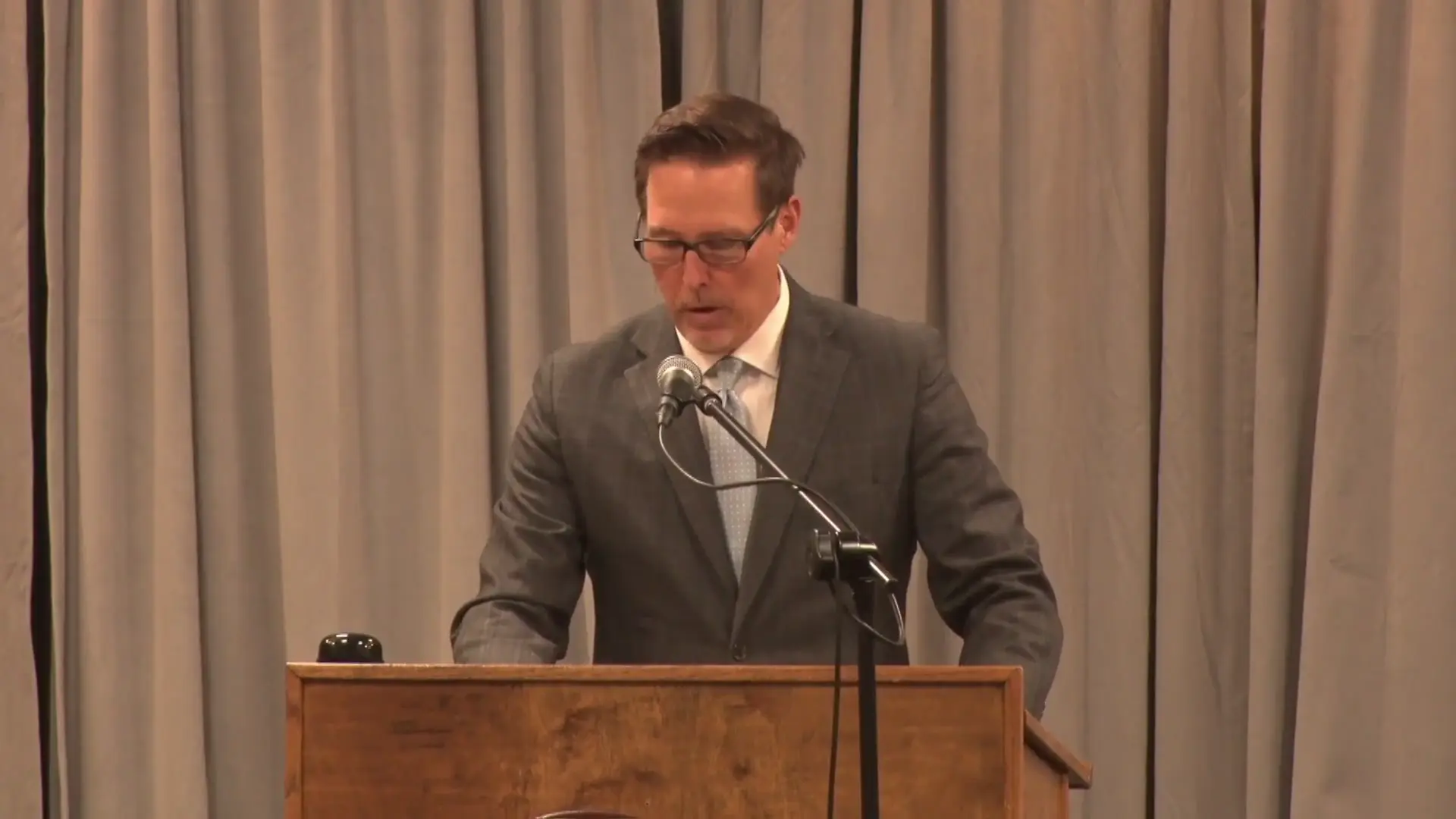
The Divine Paradox: Joy Through Sacrifice!
Feast of Tabernacles Sermon by Bill OnisickThe Feast of Tabernacles represents the apex of Israelite joy, characterized by a divine paradox where communal rejoicing is inextricably linked to sacrifice. This celebration demands more offerings than all other feasts combined, illustrating that true, lasting joy arises not from ease but from complete devotion, humility, and surrender. Acceptable sacrifice requires genuine repentance, tangible cost, and careful stewardship of speech, ensuring that negative words do not contaminate the community as polluted grain would. Ultimately, the Feast serves as an optimal environment for spiritual transformation, where believers practice becoming like God through daily living sacrifices that put the carnal nature to death, shifting focus from self to God and producing the abundant spiritual harvest that mirrors the joy Jesus Himself endured for the cross.

Living Stones
Sermon by Ted E. BowlingI Peter 2:9 reveals how precious we are to God, a chosen generation, a royal priesthood, and a living stone fitted to join our spiritual siblings.