


Filter by Categories
The Fall of Jerusalem and the Coming of the Son of Man
Sermonette byThe formula 'the coming of the Son of Man' is code for 'the Day of the Lord.' The formula does not refer to the fall of Jerusalem in 70 AD, but the days ahead.
Stay in Jerusalem
Feast of Tabernacles Sermon by Charles Whitaker (1944-2021)The rebuilding of Jerusalem, as detailed in the decrees of Gentile kings, holds significant importance for God's people. Under Cyrus the Great's decree, about 47,000 Jews returned from Babylon with the explicit purpose of building a house for God in Jerusalem. However, many did not settle in Jerusalem itself, returning instead to their ancestral cities in Judah and Benjamin, which hindered the city's economic and political rebirth. Even a century after the initial return led by Zerubbabel and Joshua, Jerusalem remained unimpressive, with its walls broken down and the city not significantly rejuvenated. The rebuilding of the Temple, a key mandate of Cyrus' decree, faced similar challenges. Although the foundation was laid and initial efforts were made, resistance from surrounding Gentiles halted progress. The remnant's lack of zeal was evident as they interpreted a royal order to stop construction as a sign that the time to build God's house had not come, focusing instead on their personal affairs for nearly two decades. Eventually, the Temple was rebuilt, but the delay reflected their lukewarm commitment. Under the later decree of Artaxerxes, Ezra and Nehemiah were commissioned to reestablish a community governed by God's Law in Jerusalem. This decree aimed to create a form of theocracy, requiring separation from the surrounding pagan influences. Nehemiah's efforts in rebuilding Jerusalem's walls symbolized this separation, serving as an emblem of distinction from the Gentiles. The wall was not merely physical but represented a barrier against cultural and religious assimilation, ensuring that God's people remained sanctified by adhering to His Law. Despite these efforts, the people's commitment wavered. They struggled with intermarriage and adopting pagan practices, failing to consistently separate themselves from the surrounding nations. Over time, after Ezra and Nehemiah, the Jews further assimilated into worldly ways, ultimately losing the essence of separation that the wall of Jerusalem symbolized. Their half-hearted obedience prevented the full reestablishment of God's government among them.
Jerusalem and the Plan of Redemption
Sermon by Martin G. CollinsThe rebuilding of Jerusalem has been a recurring theme throughout its tumultuous history, marked by destruction and restoration. Each time Jerusalem was rebuilt, stone robbers used masonry from previous occupations, complicating the earth layers at the site. When Israel returned from exile around 538 BC, rebuilding the temple and the city was among the top priorities of those who returned, as restoration of the nation was inconceivable without reestablishing Jerusalem as the seat of divine and Davidic kingship. During the years immediately following the capture of the city by Nebuchadnezzar, it lay in ruins, but Cyrus the Great decreed the return of the captive Jews to their city and the rebuilding of the walls, which by Nehemiah's time had been broken down for 140 years. Under Nehemiah, the city regained much of its former splendor. Later, under Herod the Great, Jerusalem was again restored to much of its former glory, with the Temple enlarged and beautified, and a better water supply provided. Under Herod's grandson, Herod Agrippa, in AD 41, the area inside the city wall was doubled. The restoration of Jerusalem after the exile provides essential background for understanding its importance in the teachings of Jesus Christ about restoration. However, the physical city faced further destruction, as Jesus prophesied its fall, which occurred in AD 70 under Titus, marking a significant judgment against earthly Jerusalem for its sins. While the physical city disintegrated, the concept of a spiritual restoration emerged, shifting focus from the earthly Jerusalem to a heavenly vision of the city.
The Second Exodus (Part One)
'Prophecy Watch' by David C. GrabbeAfter seventy years in Babylonian captivity, the Jews began returning to Canaan. Under Ezra and Nehemiah, the wall around Jerusalem was rebuilt, and the Temple was restored under Zerubbabel and Joshua. This rebuilding marked a significant restoration for the southern Kingdom of Judah, though the northern ten tribes of Israel did not return to the land during this period. The prophecies concerning a future Second Exodus indicate a greater return for both Judah and Israel to the Promised Land, surpassing the historical rebuilding of Jerusalem in scope and significance.
Cyrus: God's Anointed
'Prophecy Watch' by Richard T. RitenbaughWhen we think of messiah, we think of Jesus Christ. Yet the Bible has a much broader definition. The pagan emperor Cyrus the Great was also a messiah!
Meet the Minor Prophets (Part Four)
'Prophecy Watch' by Richard T. RitenbaughThe books of Zechariah and Malachi create a bridge to the New Testament and the coming of the Son of Man.
Preparing to Rule!
'Personal' from John W. RitenbaughHave you ever considered what it will be like right after Christ returns? What will you do, as a king, to help and govern the people placed under you?
City of Peace
Feast of Tabernacles Sermon by Martin G. CollinsParadoxically, Jerusalem has not been a city of peace, but a magnet for conflict, a situation which will not end until Christ returns.
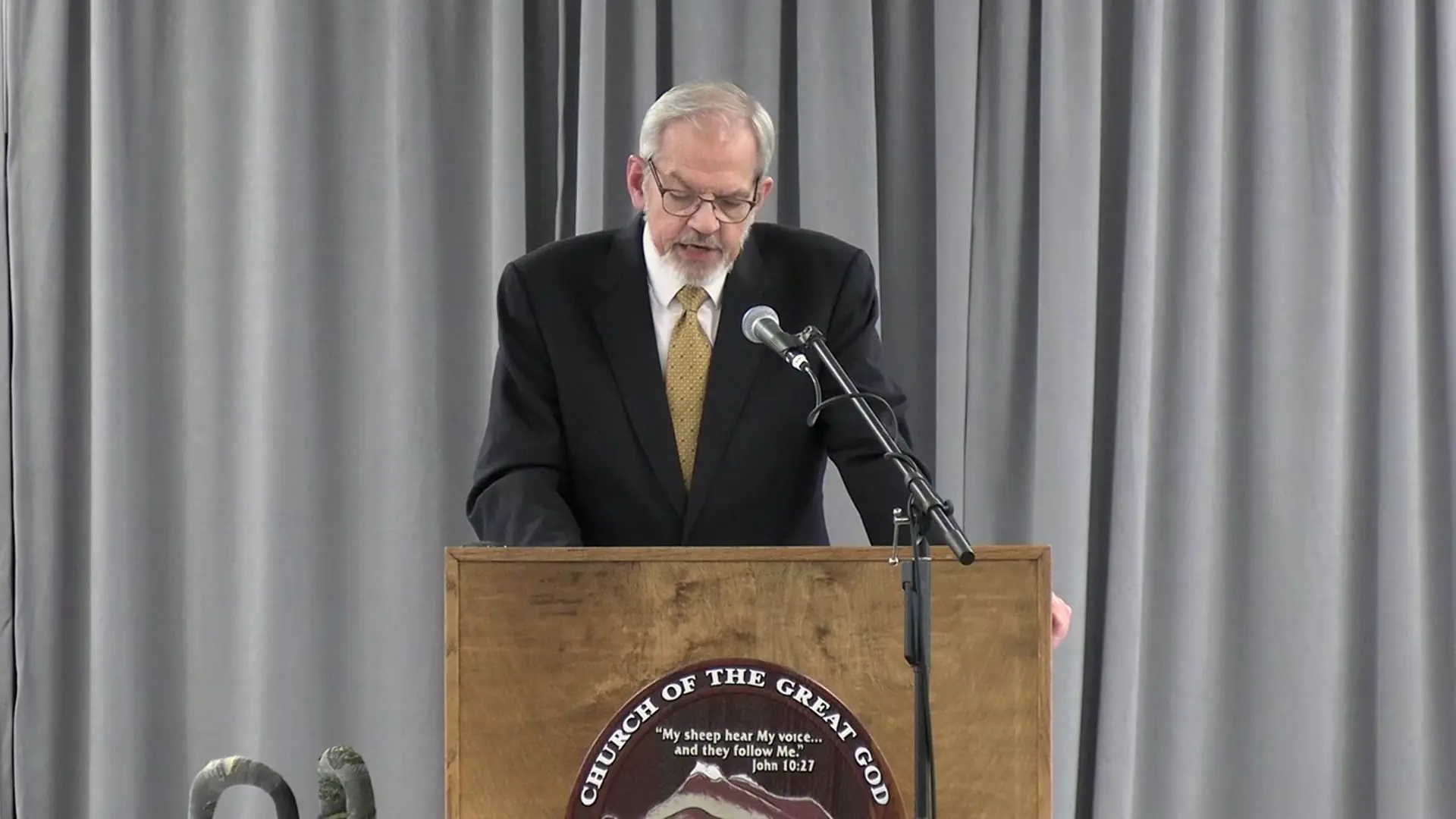
The Bride of Christ (Part Two)
Feast of Tabernacles Sermon by Mark SchindlerOur daily choices build character that will endure divine testing. By aligning with God's divine order, we do our part in yielding to this active preparation.
'Seventy Weeks Are Determined...'
'Prophecy Watch' by Richard T. RitenbaughThe Seventy Weeks Prophecy is contentious among prophecy experts. But simply taking the Bible at face value makes the meaning of this prophecy crystal clear.
Preparing To Rule
Feast of Tabernacles Sermon by John W. Ritenbaugh (1932-2023)How can a group of rag-tag upstarts with no experience—that's how the world's leaders perceive us—hope to succeed where they have utterly failed?
The Book of Daniel (Part Seven)
Sermon by Martin G. CollinsDaniel's efficacy in prayer resulted in his view of God's omnipotence and absolute sovereignty. God has a timetable in world history.