


Filter by Categories
Simplifying Life (Part Seven): Practicing Spiritual Scales
Sermon by David F. MaasBy practicing spiritual scales such as prayer, Bible study, meditation, and fasting, we avoid costly wasters of time and simplify our lives. We must habitually engage in these spiritual scales, not merely understand or eliminate negative habits, to bring precision, harmony, and maturity to our life in Christ. Just as musicians practice scales daily to build foundational muscle memory and simplicity under complexity, our spiritual life becomes less chaotic and more tuned when we consistently practice these spiritual tools. Spiritual maturity is not automatic; it requires dedicated practice, much like training for godliness, which holds promise for the present life and the life to come. Practicing spiritual scales simplifies life by reducing chaotic responses and the need for constant re-learning, preparing us to handle unfamiliar patterns with readiness. God's called-out saints need to expand their daily use of these spiritual scales, increasing meditation time, scripture readings, and systematic Bible study. We must begin the day with our spiritual scales, including Psalms, Proverbs, Old and New Testament readings, prayer, meditation, and regular fasting, to prevent falling into unproductive patterns. Let us set goals to become proficient in every aspect of our spiritual practice, tuning our lives by hiding God's Word in our hearts that we might not sin against Him.
The Path from Here to Beyond
Commentary by John W. Ritenbaugh (1932-2023)We have no idea when Christ will return. We must, in our mind's eye, see our God crafting us into what He desires, preparing us for His Kingdom.
Highly Skilled Overcomers
Sermon by Richard T. RitenbaughFollowing our passions only applies if we invest the career capital to perfect our craft, honing our skills so that other people will pay for what we have to offer.
Walking With God Through Trials
Sermonette by Craig SablichTrials, instead of prompting a 'woe is me' attitude, should be re-evaluated as valuable experiences, nudging us into God's divine purpose for us.
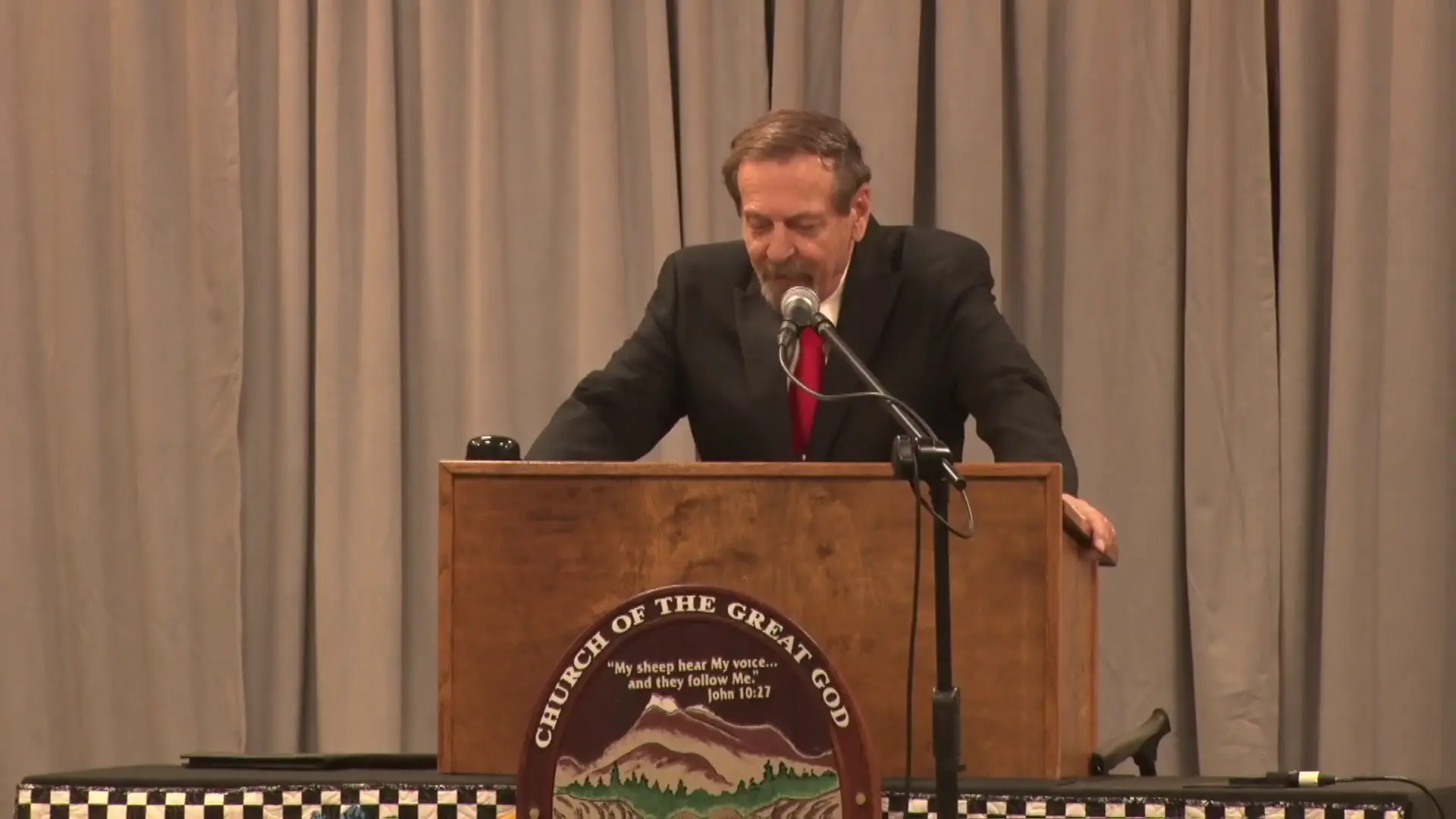
The Habit of Praising God
Feast of Tabernacles Sermon by James BeaubelleVirtues are cultivated habits that transform right action into a natural, effortless expression of character, with the mind of Christ serving as the ultimate model. Among these virtues, praise stands out as a disciplined, daily practice that flows from a humble, grateful heart rather than mere ritual or flattery. Rooted in the fear of the Lord and exemplified by the psalmist's consistent worship and the grand glorification seen in Revelation, praise is both a personal discipline and a communal act of joyful reverence. It encompasses acknowledging God's multifaceted roles—from Creator to Healer—and extends beyond spoken words to include one's entire way of living; as illustrated by the virtuous wife in Proverbs 31, a life lived in faithful obedience becomes a continuous act of praise, inseparably linking reverence, conduct, and glory to God.

Unsheathe Your Sword! (Part Two)
'Ready Answer' by Pat HigginsGod promises the overcomer, victor, or conqueror the status of son of God. To accomplish this, we must use our sword, God's Word, to vanquish the foe.
Prepared for Goliath
Sermonette by Christian D. HunterDavid did not use the implements of King Saul because he had not tried them out. Instead, he used the sling—the tool he already knew.
Titus 2:11-14
Sermon by John W. RitenbaughWe are obligated to dress and keep what is placed in our care, improving what He has given to us. We dare not stand still, but must make effort to grow.
The Unleavened Life Is a Happy Life!
Sermon by John W. RitenbaughThe Days of Unleavened Bread define our responsibility in God's plan to purge out habits, attitudes, and teachings that do not conform to God's way.

The Christian Walk (Part Three): In Wisdom
Sermon by Richard T. RitenbaughGod wants us to take our salvation seriously, walking in love, light, and wisdom, attaining the know-how to work out our own salvation, redeeming the time.

Why Hebrews Was Written (Part Thirteen): Hebrews 2 and the Next Five Years
'Personal' from John W. RitenbaughWe must keep God's Word fresh in our minds through diligent study and practice of His way of life to keep from drifting spiritually during perilous times.