


Filter by Categories
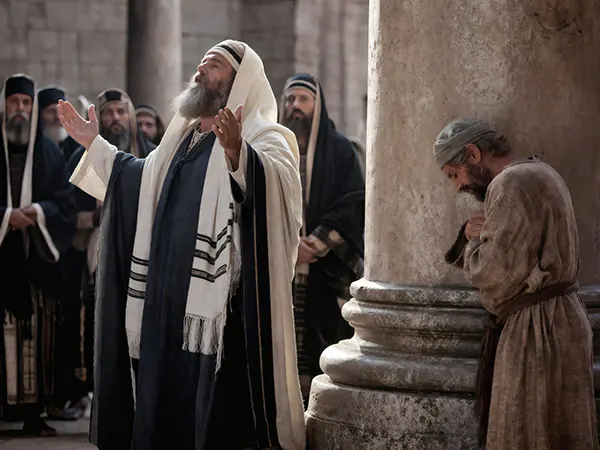
Parable of the Pharisee and the Tax Collector
Bible Study by Martin G. CollinsThe parable of the Pharisee and the tax collector contrasts self-righteousness with humility, and its purpose is to expose those who trust in themselves that they are righteous and despise others. Though it involves prayer, it concerns how to be justified before God rather than how to pray. Both men are sinners, and each lets the judgment he has formed of himself shape his prayer. The Pharisee trusts in his own works rather than in Christ's sacrifice, acts as though God owes him salvation, and shows how little he grasps of God's holiness and his own lowly spiritual state. He treats others as nothing, comparing himself not with God's perfection but with the imagined greater flaws of others, and so he is bankrupt of compassion. His prayer glories in what he is, what he does, and what he gives, using "I" five times. He never intercedes for the tax collector. The tax collector humbles himself before God, repents, and pleads for mercy, and he goes home justified, declared righteous. Human beings are justified not by works but by God's mercy and grace, and our part is to humble ourselves in faith, repent, and ask forgiveness. None of the Pharisee's fasting and tithing could justify him. It is far less humiliating to humble ourselves than to be humbled by others, and the one who humbles himself is exalted. Solomon states the same principle: let another praise you, not your own mouth.
More Righteous Than the Pharisees?
Sermon by John O. ReidJesus Christ desires to show the contrast between those who trust in themselves and those who trust in God through the Parable of the Pharisee and the Publican. The Pharisee, in his address to God, lists all his accomplishments, expecting divine favor based on his actions. He fasts twice a week beyond the required public days, tithes on everything he possesses, and prides himself on his apparent piety. Yet, he misses the deeper intent of God's law, contrasting himself with others and trusting in his own righteousness. His fault lies in relying on this superficial righteousness, not acknowledging his sinfulness, and making public professions of his greatness, which displeases God, who looks upon the heart and sees the true nature within, despite outward appearances. In contrast, the publican's approach to God is marked by humility and repentance. He stands afar off, aware of his unworthiness to draw near to God, and does not lift his eyes or hands, but strikes himself in frustration over his sins. His prayer is short, hindered by fear and shame, yet full of sighs and groans, trusting in the Spirit to intercede for his unspoken needs. Unlike the Pharisee, he compares himself not to other men but to God, seeing his flaws and pleading for mercy as a sinner. In the end, he returns home justified, while the Pharisee does not. This parable reveals that true righteousness exceeds mere outward compliance with the law, as exemplified by the Pharisees. It requires genuine humility and a heart aligned with God's intent, seeking forgiveness and transformation rather than self-glorification.
The Pharisees (Part 2)
Sermon by Richard T. RitenbaughIn the Parable of the Pharisee and the Publican, Jesus illustrates a profound contrast between self-righteousness and humility. He addresses those who trust in their own righteousness, exalting themselves while despising others. The Pharisee, standing alone in haughty separation, boasts of his own goodness, declaring his superiority over others with a self-centered tone, emphasizing his own actions repeatedly in his prayer. He views himself as the cream of the crop, going beyond what the law requires, and fears contamination by associating with sinners, treating God almost as an equal in his pompous gratitude for not being like other men. In stark opposition, the Publican stands afar off, overwhelmed by his unworthiness to even approach God. He cannot lift his eyes to heaven, beating his breast in anguish over his sins. His prayer is a mere seven words, a desperate plea for mercy, casting himself entirely upon God's compassion. Jesus declares that this humble man, the sinner who places himself at God's mercy, goes away justified, while the Pharisee, who exalts himself and looks down on others, is rejected. God will not accept such self-righteousness, promising to humble those who elevate themselves above others. Through this parable, Jesus underscores that true righteousness lies not in self-congratulation but in humble reliance on God's mercy.
The Pharisees (Part 3)
Sermon by Richard T. RitenbaughAlthough the Pharisees imposed harsh regulations, they found loopholes for themselves while proudly and hypocritically displaying their piety for show.
Was Job Really Self-Righteous?
Sermonette by Clyde FinkleaSelf-righteousness is defined as being smugly proud of one's own opinion and intolerant of others. What Job repented of was his misunderstanding of God.
Doorway to the Kingdom
Sermonette byAny time we feel prompted to exalt ourselves, we demonstrate Satan's spirit of pride, thereby jeopardizing our entry into God's family.
On Self-Righteousness
CGG Weekly by John W. RitenbaughSelf-righteousness lies at the root of many other sins. Because we are self-centered, self-righteousness will follow as surely as water runs downhill.
Forgiveness and Reconciliation
CGG Weekly by John W. RitenbaughForgiveness from God is directly tied to our forgiving those who have sinned against us! We must reciprocate God's forgiveness by forgiving others.
Delusions of Perfection
Sermon by Richard T. RitenbaughWe need to exercise humility and forbearance when we deal with the weaknesses of our brethren, restoring them in love as we would expect them to do for us.
Grace, Mercy, and Favor (Part One): To the Beaten
Sermon by Mark SchindlerGod's people may fall into the trap of forgetting the sinful past from which God rescued them and come to look disdainfully on those not yet called.
Tearing Your Clothes
Sermonette by James C. StoertzTearing one's clothing has lost its meaning, such as when it is used as a form of vanity like in torn clothing fashions or as a form of faux humility.
The Danger of Trusting in Oneself
Sermon by Martin G. CollinsThose wise in their own eyes, including philosophers, politicians, educators, and religious leaders, have failed in their quest to make the world better.

Pride, Humility, and the Day of Atonement
'Personal' from John W. RitenbaughThe Day of Atonement, when God commands us to afflict our souls, is a day of self-evaluation and repentance to seek unity with Him and our brethren.
Hypocrisy: The Last Sin of America
Sermon by Martin G. CollinsHaving its roots in a Greek word denoting 'actor', hypocrisy suggests pretending or deceiving—a filthy inside disguised by a clean outside.
Living By Faith: Humility
Sermon by John W. Ritenbaugh (1932-2023)Paradoxically, God stoops to us when we humble ourselves. Humility produces honor from God; if we humble ourselves, He will hear us.
New Covenant Priesthood (Part Six)
Sermon by John W. RitenbaughWe must have both perseverance and humility in prayer to keep our vision sharp and clear. Without humility, the doorway to acceptance by God is closed.
The Beatitudes, Part Two: Poor in Spirit
'Personal' from John W. RitenbaughWhat is it to be poor in spirit? This attribute is foundational to Christian living. Those who are truly poor in spirit are on the road to true spiritual riches.
Is There a True Church?
'Personal' from John W. RitenbaughMany 'church of God' organizations claim to be part of—or even the only—church of God. The Bible reveals specific characteristics of God's church.
Pride, Humility, and Fasting
Sermon by John W. RitenbaughThe intent of fasting is to deflate our pride—the major taproot of sin—the biggest deterrent to a positive relationship with God. Humility heals the breach.
From Pride to Humility
Sermon by John O. ReidTwo tests to reveal the presence of pride are the way we treat others (especially our own family) and the way we receive instruction or correction.

The Problem with Pride
Sermon by Ryan McClureLiving by 'No pride, no problem' eliminates the grief associated with placing our desires over God's will for us when facing demotions or loss of status.
Christ's Vital Final Warning to His Church
Sermon by Mark SchindlerWe must be careful in our approach to our spiritual riches so we do not fall into the same trap that people with abundant physical wealth fall.
Overcoming Hypocrisy
Sermonette by Bill OnisickWe are continually in danger of being deceived by our carnal nature, a nature which distracts us from following God, even though we go through the motions.
Faith (Part Six)
Sermon by John W. RitenbaughThe hallmark of Christian character is humility, which comes about only when one sees himself in comparison to God. Pride makes distorted comparisons.
Is Ignorance Truly Bliss?
Sermonette by David C. GrabbeThe 'people of the lie' do not believe they have any major defects and, consequently, do not have any need to examine themselves, let alone change.
Living by Faith: Human Pride
Sermon by John W. RitenbaughOur human nature is pure vanity with a heart that is desperately deceitful and wicked, motivated by self-centeredness, a deadly combination for producing sin.
The Secret Sin Everyone Commits
Sermon by Martin G. CollinsSelf-righteous people tend to trust in their own heart, be wise in their own eyes, justify themselves, despise or disregard others, and judge or condemn others.

When Actions Contradict Stated Beliefs
Sermon by Martin G. CollinsHypocrisy consists of professing beliefs or virtues that one does not genuinely possess. The primary motivator is pride, and its resulting sin is lying.
Grace, Mercy, and Favor (Part Four): Favor to Live as God Lives
Sermon by Mark SchindlerWe earn God's favor by obedience; there is a direct tie between submission to His will and His favor. The more one submits, the more favor and grace accrues.
Living By Faith and Human Pride
'Personal' from John W. RitenbaughThe Parable of the Pharisee and the Tax Collector shows how destructive pride is to relationships. The Pharisee stood and prayed with himself, thanking God that he was not like other men, whether extortioners, unjust, adulterers, or even the tax collector, and boasting that he fasted twice a week and tithed on all he possessed (Luke 18:11-12). Pride can make a person condescending and self-righteous, so that he sees himself as greater than others, and this attitude can lead him to misuse them. At the same time, pride blinded the Pharisee to his own spiritual condition. He measured himself against others and found himself superior, while remaining unaware of his need before God. This illustrates one of pride's most destructive fruits: self-deception, a blindness to one's own spiritual state that tends to produce a sense of infallibility. The proud person offends God by exalting himself and offends others by a haughty preoccupation with himself, and he ignores the instruction that would correct him.

Private Religion
Sermon by Richard T. RitenbaughSomeone misusing piety to draw attention to themselves to enhance their reputation destroys character and they will not enter the Kingdom of God.
Faith in the Healer
Sermon by Richard T. RitenbaughWe must establish an iron clad trust in God for spiritual matters, including healing, rather than having a misguided trust in self or other human beings.
The Weightier Matters (Part 4) : Faith and Fidelity
Article by StaffFaith and fidelity to God and His way of life should be a major part of our character. Here is what faith and fidelity are, how to recognize a lack of them.
Do Not Judge: What Does it Mean?
Sermon by Clyde FinkleaThe caution not to judge is more accurately rendered, 'do not condemn' rather than to evaluate according to their fruits. We risk condemning ourselves.
'He Who Has an Ear, Let Him Hear . . .'
CGG Weekly by David C. GrabbeA man with myopic judgment will take the good times he has as evidence of God's pleasure, and conclude that the bad times must be caused by Satan's persecution.

The Merciful
Sermon by Richard T. RitenbaughThe harsh religion of the Pharisees was unfeeling, placing more attention on rituals and man-made laws, and had turned their super-righteousness into sin.
Many Are Called, But Few Are Chosen (Part Eight)
Sermon by Martin G. CollinsWe should not expect brethren to be perfect; we all sin. God has not given His People the prerogative to judge another member as a tare.
Habakkuk: A Prophet of Faith (Part Four)
Sermon by Martin G. CollinsWe may find God's means of correction discouraging, but when we place His actions in context with His overall plan, we can find peace in God's sovereignty.
Evil Is Real (Part Four)
CGG Weekly by Richard T. RitenbaughVanquish the sins at their point of origin—the human heart—and our deeds will be clean before God.
The Spirit of Gratitude
Sermon by Charles Whitaker (1944-2021)Pride, the kind demonstrated by Nebuchadnezzar when he boasted about what he had accomplished, militates against any feelings of gratitude.