


Filter by Categories
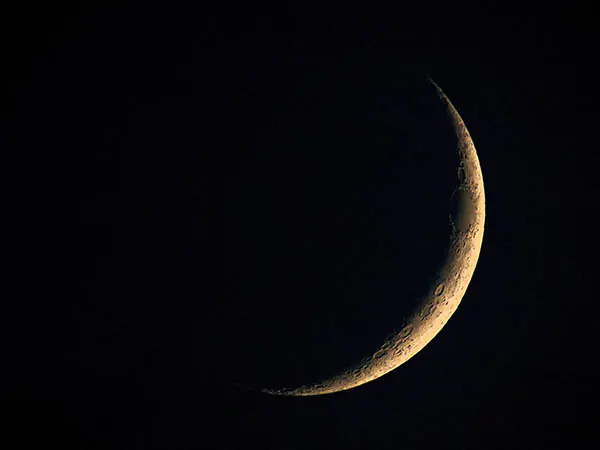
The New Moons
'Personal' from John W. RitenbaughThe beginning of the month, marked by the new moon, receives special sacrifices from God (Numbers 28:11-15) and trumpet blasts over the offerings (Numbers 10:10), yet God nowhere commands Israel to assemble, rest from work, or feast on it. Those offerings set the day apart from common days, but it is not a holy day, except for the Feast of Trumpets, which falls on the new moon of Tishri. Israel added to what God said by feasting and apparently by refraining from buying and selling (1 Samuel 20:5-6; Amos 8:5-6). That feasting was a social custom, neither evil nor commanded. The added strictness showed a heart far from God's justice and mercy, and God warns against adding to His word (Deuteronomy 12:32; Proverbs 30:6). The new moon's true function is as a time marker. The festivals of Leviticus 23 fall on fixed dates but different weekdays, and those dates are calculated from the new moon. Abib's new moon begins the sacred year, Passover comes fourteen days later, and the fall festivals arrive six new moons after Abib. Colossians 2:16 suggests the early church noted the new moons in some way, though not with the sacrifices, which Hebrews 5 through 10 shows are fulfilled in Christ. Because the festivals are still kept, the new moons should at least be carefully marked as they come and go. They may also serve as occasions for spiritual sacrifices of thanks and praise (Hebrews 13:15-16). They are a tool like the weekly preparation day, not a commanded observance. Any custom built around them is man's custom, not God's.
Faith and the Calendar (Part Five): Summary
Sermon by John W. RitenbaughGod assigned the tribe of Judah to be the caretakers of the oracles. The real issue in this controversy is faith in God's sovereignty and His faithfulness.
Faith and the Calendar (Part One)
Sermon by John W. RitenbaughThe issue is not mathematical or astronomical, but instead a matter of trust in God's faithfulness, authority, sovereignty, oversight, or ability to govern.
Faith, Government, and the Calendar (Part Four)
Sermon by John W. RitenbaughThe calculated Hebrew calendar reflects God's faithfulness in providing His children a reliable calendar. Concocting one's own calendar is presumptuous.
A Reminder and a Warning to Be Prepared
Sermon by Clyde FinkleaThe Feast of Trumpets signifies a spiritual alarm, admonishing us to repent, reflect, and prepare for the Day of the Lord, a horrendous time of judgment.
Jesus in the Feasts (Part Three): Divine King
Sermon by Richard T. RitenbaughThe trumpet blast is both a memorial and a proclamation that Almighty God is present, powerful, and personal, reminding us how we must respond.