


Filter by Categories
Bezaleel of the House of Judah
Sermonette by Ted E. BowlingGod augmented Bezaleel's natural abilities, not only in physical craftsmanship, but also in the soft skills of management, patience, and longsuffering.

The Nation of Israel—Biblical Israel? (Part Two)
'Prophecy Watch' by Pat HigginsThe house of Judah, distinct from the broader Israel of the Bible which often refers to the Ten Lost Tribes, holds a unique identity that has not been lost to the world. True to God's promise, their observance of the Sabbath has preserved their recognition globally. In the prophecy of Genesis 49, Jacob ascribes specific traits to Judah, stating that Judah's brothers will praise him and that he will defeat his enemies. The descendants of Judah, evident in the modern State of Israel, have indeed triumphed over adversaries in significant conflicts, showcasing their resilience and strength as a nation. Further, Genesis 49 highlights Judah's role of leadership and rulership among the tribes. The imagery of a scepter in verse 10 symbolizes sovereignty, power, and authority, indicating that Judah has a responsibility to lead. This prophecy points to nations with leaders and monarchs who trace ancestry to Judah, suggesting that such nations could be among the tribes of Israel. Descendants of Judah are often found as leaders across various fields such as politics, science, finance, business, entertainment, and art, fulfilling the God-ordained gift of leadership described in the prophecy. Additionally, Judah receives a special blessing of prominence, chosen as the tribe to produce the greatest ruler, Jesus Christ, to Whom every knee will one day bow.
Searching for Israel (Part Five): Solomon and the Divided Kingdom
Article by Charles WhitakerUnder David, the scepter came to Judah, and it was not to depart from the tribe of Judah, as declared in Genesis 49:10. Upon Solomon's death, Rehoboam, his son, faced rebellion from certain tribes against the house of David, which represented the ruling authority of the tribe of Judah. The rebelling tribes expressed their dissent, saying, "What portion have we in David? We have no inheritance in the son of Jesse. To your tents, O Israel! Now, see to your own house, O David!" Consequently, Rehoboam's kingdom, named after its leading tribe, became the Kingdom of Judah, consisting of only three tribes and often referred to as the southern kingdom due to its location. Someone of the tribe of Judah will always rule a part of Israel, though another part exists under different leadership.
The Scepter of the Kingdom of God (Part One)
CGG Weekly by Martin G. CollinsMatthew 27:29 records that a reed was placed in Christ's hand as a mock scepter. But when He returns, He will take the scepter of the Kingdom of God.
The Scepter of the Kingdom of God (Part Two)
CGG Weekly by Martin G. CollinsGod's scepter promise, given to the tribe of Judah in Genesis 49:10, descended from monarch to monarch of the royal house of David. When Jerusalem fell to Babylon, the direct male line was cut off. The prophet Jeremiah, fleeing Jerusalem to Egypt, was entrusted with King Zedekiah's daughters. God removed the crown of David from the ruling line of Pharez and placed it on the head of a descendant of Zerah, healing the ancient breach between the two sons of Judah, Pharez and Zerah. Jeremiah arrived in Ireland with Tea Tephi, a daughter of King Zedekiah, who married Herremon, an Irish prince of Zerah's line. Their union, with their son as king over Israelites, mended the divide. This dynasty continued unbroken through the kings of Ireland, was transplanted to Scotland, and later to England, fulfilling the prophecy of overturns in Ezekiel 21:25-27. The scepter promise continues until it culminates at Christ's return, as the scepter shall not depart from Judah until Shiloh the Messiah comes.
Searching for Israel (Part Two): Blessings in Faith
Article by Charles WhitakerThe blessings granted to Jacob's sons as well as Joseph's sons, Ephraim and Manasseh, identifies the descendants of ancient Israel today.
Israel: Past
'Prophecy Watch' by Richard T. RitenbaughOnce Israel is identified prophetically, Bible prophecy opens up and God's plan becomes plain!
Searching for Israel (Part Nine): The Migration of a Monarchy
Article by Charles WhitakerMany clues to Israel's modern identity deal with the ruling line of David. The biblical and historical evidence shows 'lost' Israel's whereabouts today.
The Nation of Israel—Biblical Israel? (Part One)
'Prophecy Watch' by Pat HigginsModern-day Jews are just a fraction of those whom the Bible calls 'Israelites.' This is a distinction we must understand to grasp vital truths in God's Word.
The Doctrine of Israel (Part Eleven): Genesis 49 and Deuteronomy 33
Sermon by Richard T. RitenbaughGenesis 49 and Deuteronomy 33 identify the family traits of the Israelite tribes. God maintains a closer relationship with Israel than with any other people.
The Doctrine of Israel (Part Ten): Where Is Israel Today?
Sermon by Richard T. RitenbaughNo matter how scattered Israel is, God will not lose the smallest grain. Using Jerusalem as a reference point, Israel dispersed north and west into Europe.
Faith, Government, and the Calendar (Part Four)
Sermon by John W. RitenbaughThe calculated Hebrew calendar reflects God's faithfulness in providing His children a reliable calendar. Concocting one's own calendar is presumptuous.
Psalms: Book One (Part Five)
Sermon by Richard T. RitenbaughBook One of the Psalms, parallel with the spring season, focuses on the Messianic prophecies, revealing God's plan to redeem Israel by crushing Satan.
Searching for Israel (Part Six): Israel Is Fallen, Is Fallen
Article by Charles WhitakerAfter 200 years of rejecting Davidic rule, Israel fell to Assyria, and its people were carried to Media. Judah lasted about 150 years longer.
His Eye Is on the Sparrow (Part Five)
Sermon by John W. Ritenbaugh (1932-2023)As the lives of the major biblical figures were predestined, so are our lives. God chooses, moves, and manages the lives of His servants.
Faith and the Calendar (Part One)
Sermon by John W. RitenbaughThe issue is not mathematical or astronomical, but instead a matter of trust in God's faithfulness, authority, sovereignty, oversight, or ability to govern.
The Priesthood of God (Part Eight)
Sermon by John W. Ritenbaugh (1932-2023)The ephod, the curious girdle, and the breastplate of judgment were part of the high priest's attire that teach us godly principles today.
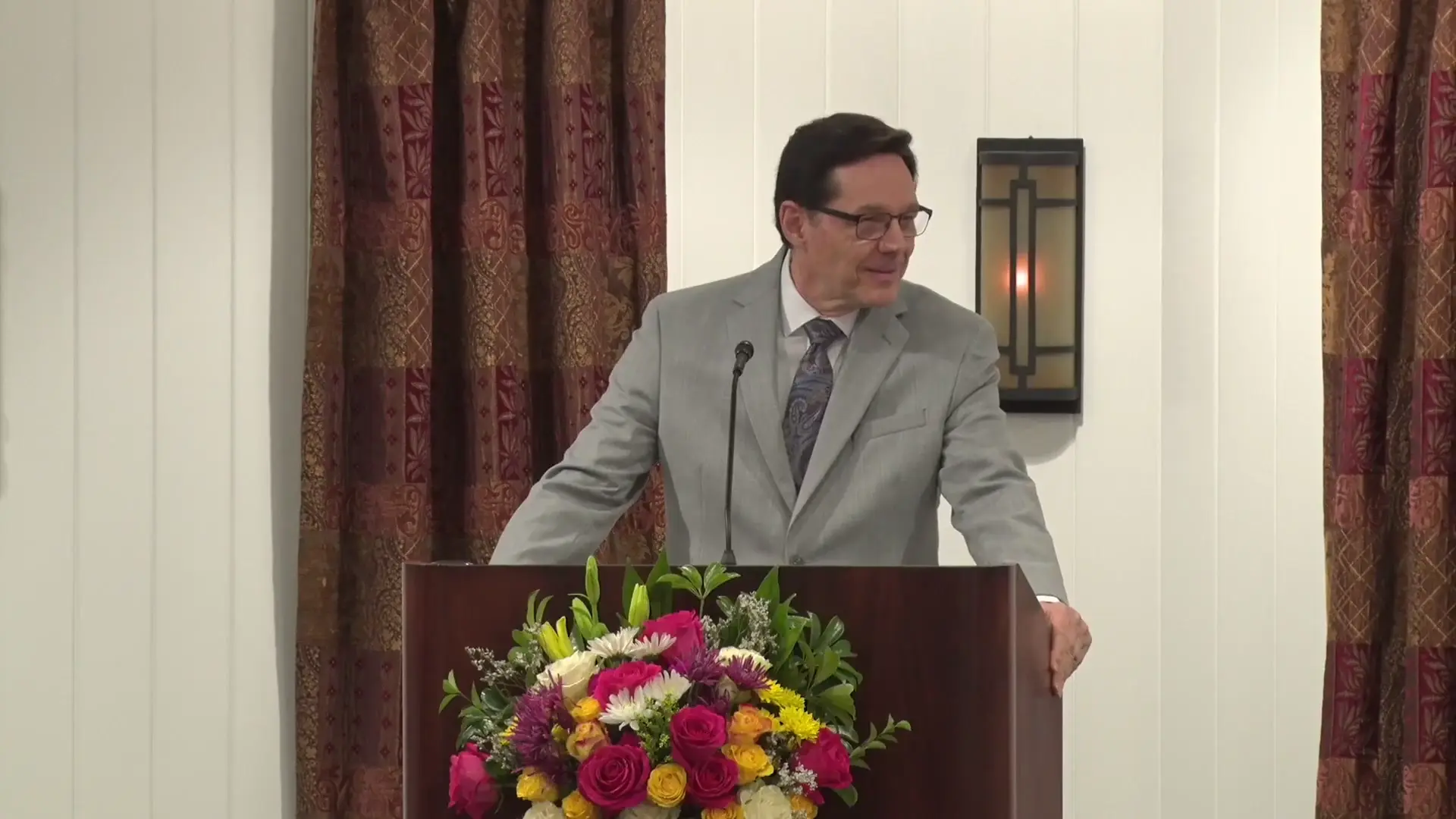
The Kingdom of God Scepter Bearer
Sermon by Martin G. CollinsThe seventh trumpet announces the decisive transition from human rule to the everlasting Kingdom of God, when Jesus Christ returns as King of Kings and reigns with a scepter of righteousness. Scripture traces this royal authority through God's promises to Abraham, Judah, and David, culminating in Christ, whose rule will replace the world's corrupt systems with perfect justice, mercy, and authority. While awaiting His return, believers are called not to obsess over when He will come, but to prepare by allowing the King to reign within them now. Through trials, perseverance, character, and hope, God shapes His people into the likeness of Christ. This living hope motivates holiness, obedience, and overcoming, so that when the King appears, His faithful followers may share in His eternal Kingdom.