


Filter by Categories
The Priesthood of God (Part Four)
Sermon by John W. Ritenbaugh (1932-2023)The concept of a holy priesthood is central to understanding our spiritual responsibilities. Holiness is paramount to a priest's life work, serving as an example before those worshipping God. God's holiness transcends mere morality; the term "holy" encapsulates His uniqueness, indicating He is different, separate, set apart, and a cut above. As described, God is numinous, evoking awe and reverence, and is beyond human comprehension, characterized by a presence that overwhelms and instills a sense of filthiness by comparison. Our responsibility is to become holy, striving for moral holiness, though we will never reach the full extent of God's holiness in this life. The righteousness of Jesus Christ, imputed to us by God's grace, enables us to come into His presence, yet we are called to reflect His holiness as much as possible. Priests, through their religious instruction and living example, combined with the tabernacle and temple services, are constant reminders to the entire nation and church that everyone is to be holy as God is holy. Under the Old Covenant, priests and Levites were visible and audible links between God's call to holiness and its fulfillment in His Kingdom. Now, under the New Covenant, though there is no priesthood of the same kind, all of us together form a priesthood, serving as visible and audible links to that same purpose. We are to be priests to each other, bearing priestly responsibilities under our High Priest, the Lord Jesus Christ, in an intimate association with the Father, the Son, and each other within God's family, striving to become holy as He is holy. The establishment of the priesthood began with Aaron and his sons, as seen in Exodus 28:1, where God appointed Aaron as high priest and his sons—Nadab, Abihu, Eleazar, and Ithamar—as priests to minister to Him. This organization was crucial for Israel to meet their responsibility as a holy nation, with priests acting as intermediaries between God and the people, providing instruction and example. Hebrews 5:1 and 5:4 confirm that Aaron's calling was specific to this high office, appointed by God, not self-assumed, to act on behalf of men before Him. The high standards of holiness required of priests are evident in incidents like Nadab and Abihu's offering of profane fire, resulting in their immediate death by God's fire, as recorded in Leviticus 10:1-2 and Numbers 3:4. This act underscored the necessity of strict adherence to God's commands with no deviations, emphasizing the holiness of the office. Leviticus 10:8-11 further instructs priests to abstain from wine or intoxicating drink when serving, to distinguish between holy and unholy, clean and unclean, and to teach Israel God's statutes, hinting that Nadab and Abihu's error may have involved intoxication. Physical qualifications for the priesthood were stringent, as outlined in Leviticus 21:16-21, disqualifying any descendant of Aaron with a physical defect from offering sacrifices, reflecting God's perfection and the need for priests to mirror that holiness. Even temporary injuries disqualified a priest until healed, maintaining the high standard of representing a holy God in a holy place. Leviticus 21:1-5 and 21:6-7 set boundaries on personal conduct, prohibiting priests from defiling themselves for the dead except for close relatives, and from adopting pagan practices, ensuring they remain holy and not profane God's name, including marrying only virgins from their own lineage to preserve purity. The high priest faced even stricter regulations, as seen in Leviticus 21:10-15, prohibiting defilement even for close relatives and restricting marriage to maintain consecration. These ceremonial regulations highlight the carefulness required in a priest's life, as death and sin are enemies of God and thus defiling. The severity of penalties for deliberate acts, like Nadab and Abihu's, contrasts with milder cleansing rituals for inadvertent defilement, underscoring the importance of int
The Priesthood of God (Part Five)
Sermon by John W. Ritenbaugh (1932-2023)Holiness stands at the center of the priesthood under both covenants, as the position requires those called to it to reflect God's unique character of loving purity, separation from sin, and awesome power. God appoints individuals to this office, as seen in the consecration of Aaron and his sons, so they may serve as agents who instruct and exemplify the way for worshippers to become holy as He is holy. The overall divine purpose remains the creation of a holy nation in which every member participates in the priesthood, training for responsibilities in the Kingdom by growing in sanctification while aiding others in the same process. This growth occurs through a disciplined process rather than punishment. Hebrews 12 explains that the Father chastens every son He receives, producing the peaceful fruit of righteousness and enabling partakers of His holiness. Such training mirrors the experience of Jesus Christ, who learned obedience through sufferings, was made perfect as the captain of salvation, and now serves as High Priest according to the order of Melchizedek. Those called into this same order follow His footsteps, enduring ancillary pressures from the world's judgment so that faith may be exercised and character formed into one unified, perfected mindset. Symbols in the consecration ceremonies reinforce the requirement of holiness in every aspect of priestly life. Washing with water, the application of blood to the ear, thumb, and toe, and the surrounding tabernacle elements all point to attunement to God's Word, careful handling of sacred responsibilities, and upright conduct before the people. These outward requirements parallel the inner cleansing accomplished by the Word of God, which sanctifies and prepares the priest for service. Unity with the Father and Son supplies the love and holiness that flow outward, binding the priesthood together and enabling it to promote peace with all while pursuing the holiness without which no one will see the Lord.
Sanctification and Holiness (Part 2)
Sermon by John W. RitenbaughSanctification establishes the foundation for understanding the holy priesthood, since being set apart by God carries both a positional and a functional dimension. Israel was offered the privilege of being a priesthood nation but rejected it at Sinai out of fear and a sense of unworthiness, prompting God to appoint Moses as mediator and later the family of Aaron, assisted by the tribe of Levi, to serve as priests drawing near to Him on the nation's behalf. The church, by contrast, is called a royal priesthood, indicating a deeper degree of sonship and intimacy than Israel was offered. The priesthood's essential function is to operate in God's presence, symbolized under the Old Covenant by service in and around the tabernacle and Temple. Numbers 16 provides the clearest picture of what this set-apart position entails. When Korah, Dathan, Abiram, and 250 leaders rebelled against the restriction of priestly service to Aaron's family, arguing that "all the congregation are holy," Moses' response in verse 5 reveals four key elements of the priesthood: it was established by God's miraculous, non-democratic choice rather than human election; those chosen belonged solely to God; they became holy in a distinct category, set apart even from other holy Israelites and Levites; and this holiness qualified them exclusively to draw near to God, a duty so restricted that unauthorized approach to the tabernacle meant death. This narrative demonstrates that not everyone set apart is holy in the same way or degree. Though Korah's claim that all Israel was holy was technically true, it was a distorted application of God's intent, since God's leadership is theocratic rather than democratic, and greater privilege brings greater responsibility, as seen in Moses being denied entry into Canaan for striking the rock and Aaron suffering similarly for his failures. Paul's teaching in Romans 12 and 1 Corinthians 12 applies this same principle to the New Testament church: gifts and functions are distributed according to God's will, not human merit or self-assertion, and no member should think more highly of himself than he ought. Diversity of function within the body does not imply inequality of worth, but it does mean that God assigns roles as He pleases, and members are responsible to fulfill only what has been given to them. The rebellion in Numbers 16 exposes the true nature of sin as an unwillingness to accept God's sovereign placement of individuals within His order. Korah and his allies, blinded by covetousness and discontent, twisted their memory of bondage in Egypt into a false accusation against Moses, revealing that their claim to holiness was contradicted by their rebellious character. Paul later applies the same principle in 2 Timothy 2 and 1 Corinthians 11, teaching that heresies and divisions must arise so that those who are genuinely approved—those whom the Lord knows as His—may be made manifest, just as Moses and Aaron were vindicated. This pattern parallels the modern church's experience of doctrinal confusion and division, showing that faithfulness under trial, patience, and submission to God's appointed order are the true marks of belonging to His holy priesthood, a privilege carrying immense honor, responsibility, and the exclusive right to draw near to God.
The Priesthood of God (Part Six)
Sermon by John W. Ritenbaugh (1932-2023)The priestly garments represent the holy character of God. Clothing is used as a badge of one's office and symbolizes what our character is like inwardly.
Made By Fire
Sermonette by Richard T. RitenbaughWe are a kingdom of priests, called to be living sacrifices, ardently serving God, with a view of being consumed or used up in service to Him.
Preparing to Be a Priest
Sermon by John W. RitenbaughThe primary function of a priest is to assist people in accessing God so that there can be unity with God. A priest is a bridge-builder between man and God.
Offerings Still Relevant
Sermonette by Richard T. RitenbaughChrist's sacrifice was both a sacrifice (fulfilling the law, which requires the shedding of blood for expiation from sin) and an offering (freely given).
Wilderness Wandering (Part Three)
Sermon by John W. Ritenbaugh (1932-2023)We are being fitted as lively stones into an already formed Kingdom, being conformed to the image of Christ, who has been designated as the Cornerstone.

Our Spiritual Career
Sermon by Ryan McClureGod puts everyone in the Body as He sees fit. We should be thankful for the role God is preparing us for rather than try to leapfrog to a higher position like Helel.
Taking Your Priestly Responsibilities Seriously!
Sermon by Martin G. CollinsGod is training us as a holy priesthood, called to offer unblemished sacrifices, honoring His name, putting down pride, presumptuousness, and arrogance.
Leadership and the Covenants (Part Four)
Sermon by John W. Ritenbaugh (1932-2023)In the combined history of Judah and Israel, when the leaders abandoned the covenants with God, the citizenry generally followed suit.
The Offerings of Leviticus (Part Five): The Peace Offering, Sacrifice, and Love
'Personal' from John W. RitenbaughThe peace offering teaches many things, but one of its main symbols is fellowship. Our communion with the Father and the Son obligates us to pursue peace.
God's Spiritual House
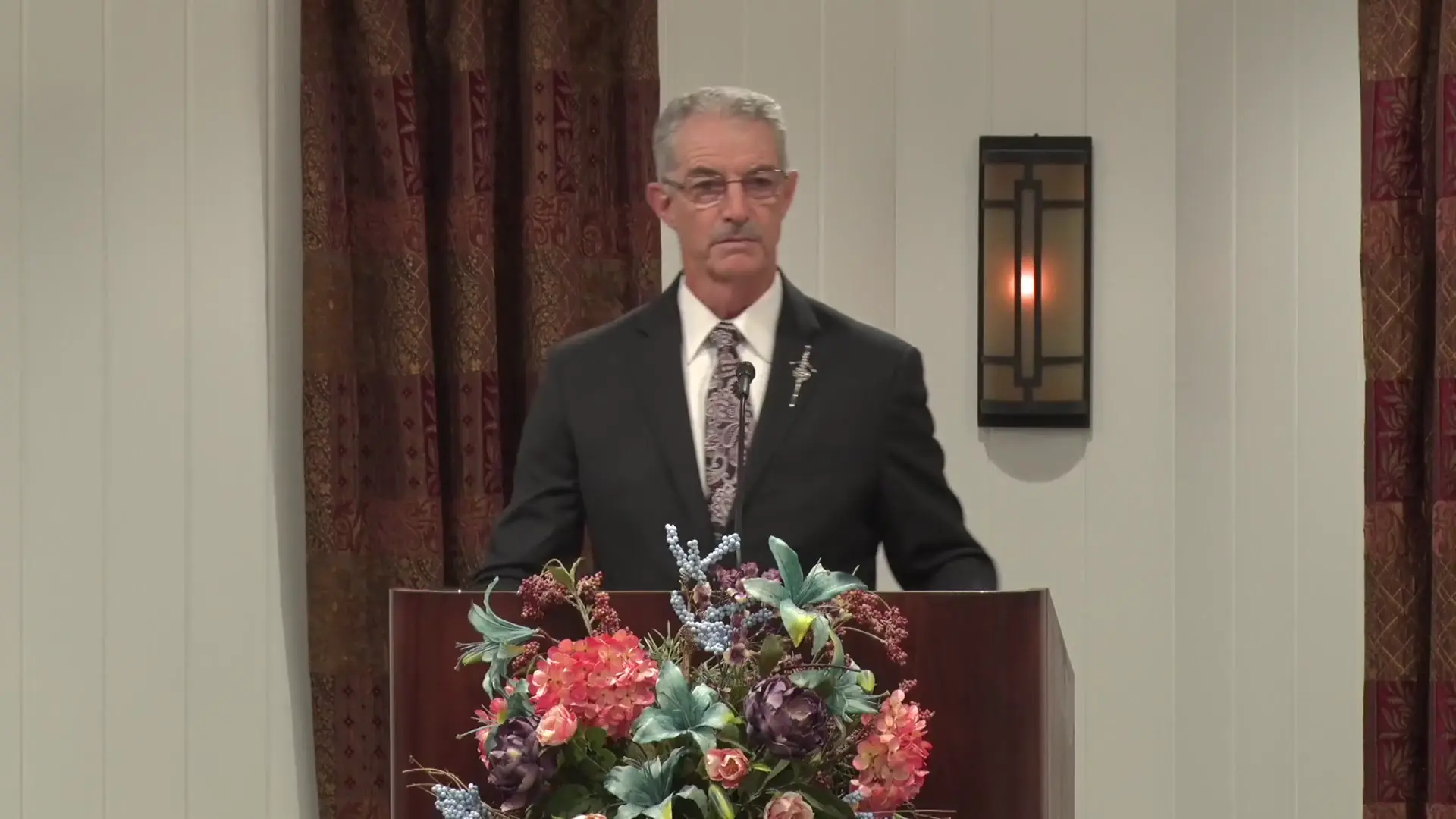
Sermon by Ronny H. GrahamIn the scriptures of I Peter, we find a profound calling to a holy priesthood, as mentioned in chapter 2, verses 5 and 9. You are being built up as a spiritual house, a holy priesthood, to offer up spiritual sacrifices acceptable to God through Jesus Christ. This is not just any priesthood, but a royal priesthood, a chosen generation, and a holy nation, set apart as God's own special people to proclaim the praises of Him who called you out of darkness into His marvelous light. These priests are tasked with a sacred duty to present spiritual sacrifices that are pleasing to God through our Lord Jesus Christ. This calling reflects an exclusive and precious role, akin to the Levites in Numbers 1:47-53, who were not numbered among the other tribes but were appointed by God over the tabernacle of the Testimony. Their responsibility was to care for and guard the dwelling place of God with their lives, ensuring that no outsider approached, under penalty of death. Similarly, we are called to guard the spiritual temple, understanding that God cannot dwell where sin resides, and we must strive to eliminate sin from our lives. The significance of this priesthood is further illustrated in Exodus 32:25-30, where the sons of Levi stood for the Lord's side after the Golden Calf incident, upholding God's law even at great personal cost. God blessed them for their dedication, showing that His law takes precedence. Through the change in priesthood, with Jesus Christ as our High Priest after the order of Melchizedek, the veil has been torn, granting us direct access to the Father at any time. We must strive every moment to uphold the name of our High Priest, who provides us unlimited access to the Most High, His Father and ours, fulfilling our role as a holy nation, God's own special treasure.

Presumption and Divine Justice (Part Two)
'Personal' from John W. RitenbaughThe Bible reveals a pattern of God's displeasure with presumption. God's justice always aligns with His righteousness, but He often acts in mercy.
Leadership and Covenants (Part Four)
'Personal' from John W. RitenbaughEven though Christians have been called to follow Christ, their journey to the Kingdom of God is preparation for leadership under Him.
Wilderness Wandering (Part Two)
Sermon by John W. Ritenbaugh (1932-2023)If we yield to God's manipulation of our lives, we will handle stress constructively, developing a relationship with Him, bearing spiritual fruit.