


Filter by Categories
The Sacrifice of Praise
Article by Martin G. CollinsAs part of our training to become priests of God in His spiritual priesthood, we are called to offer up spiritual sacrifices, which are acts of giving up our time and effort in ways that are pleasing to Him. A spiritual sacrifice must be offered with an attitude of obedience, humility, and reverence to be acceptable to God. Praising God is a vital spiritual sacrifice, as we are encouraged to continually offer the sacrifices of praise, the fruit of our lips, giving thanks to His name through Jesus Christ. This sincere offering of praise is an acceptable sacrifice that pleases Him and helps us stay focused on God as a form of spiritual worship. Praise, as a spiritual sacrifice, is a specific duty for us as a royal priesthood in training. We are a chosen generation, a holy nation, His own special people, called to proclaim the virtues and excellencies of Him who brought us out of darkness into His marvelous light. Praise can be expressed in various forms, such as singing, playing musical instruments, dancing, speaking, or praying, provided they are grounded in spiritual truths and presented with humility. We have the opportunity to praise God in song each week during worship, designed to foster a joyful, thankful, and humble frame of mind, preparing us for instruction. We are to praise God continually, not by rote but with sincerity, for His innumerable attributes and characteristics, such as His purity, righteousness, and the beauty of holiness. We can praise Him for His marvelous works in creation, His power to sustain both the physical and spiritual realms, His uniqueness, faithfulness, glorious name, goodness, and involvement in His plan of salvation. Praising Him for revealing His Word and for His righteousness and graciousness in all His works is also a spiritual sacrifice. The more we communicate with God, the more we recognize His attributes, but separation from Him due to sin or neglect makes it difficult to appreciate these qualities. Our mental attitude is critical in offering acceptable praise; without the right attitude, our praises are unacceptable to the Almighty, yet acceptable sacrifices of praise are pleasing to Him. Thus, our duty as a royal priesthood is to continually offer the spiritual sacrifice of praise to God, acknowledging His attributes and staying focused on Him through this act of spiritual worship.
Preparing to Be a Priest
Sermon by John W. RitenbaughThe primary function of a priest is to assist people in accessing God so that there can be unity with God. A priest is a bridge-builder between man and God.
Knowing Christ (Part 3)
Sermon by John W. RitenbaughIn taking undue attention off the self, sacrifice (as an act and as a way of life) creates peace, prosperity, cooperation, and most of all, character.
Knowing Christ (Part 2)
Sermon by John W. RitenbaughChrist's sacrifice was not merely substitutionary, but representative, with Christ giving us a pattern for life - mortifying our flesh and putting out sin.
The Offerings of Leviticus (Part Nine): Conclusion (Part Two)
'Personal' from John W. RitenbaughThere must be something to prove we are one with Christ and in union with the Father and the Son. That something is the manner in which we conduct our life.
Leadership and Covenants (Part Twenty-Two)
Sermon by John W. Ritenbaugh (1932-2023)Much of Protestantism misconstrues the significance of the New Covenant as a 'free pass into Heaven' without paying attention to the Law within the Covenant.
Offerings (Part Five)
Sermon/Bible Study by John W. RitenbaughWe give peace offerings today through living sacrifice, keeping God's law out of love and to glorify Him rather than just to perform duty.
New Covenant Priesthood (Part One)
Sermon by John W. RitenbaughOld Testament activities picture New Testament realities, elevated to their spiritual intent. The church has been chosen as a royal and holy priesthood.
God's Test Act
Sermon by John O. ReidJesus, Joseph, David, and Abraham all endured considerable trials before they qualified for their offices. We must make our calling and election sure.
The Consequences of Affluence
Feast of Tabernacles Sermon by Martin G. Collins'Affluenza' describes the bloated insensitivity caused by trying to keep up with the Joneses, the stress caused by doggedly pursuing the American Dream.
Reach for the Goal
Sermon by John O. ReidSimilar to the way people pull together in times of crisis, we must also have a goal, a vision of the finish line, in order to overcome and grow.
Let the Saints be Joyful in Glory!
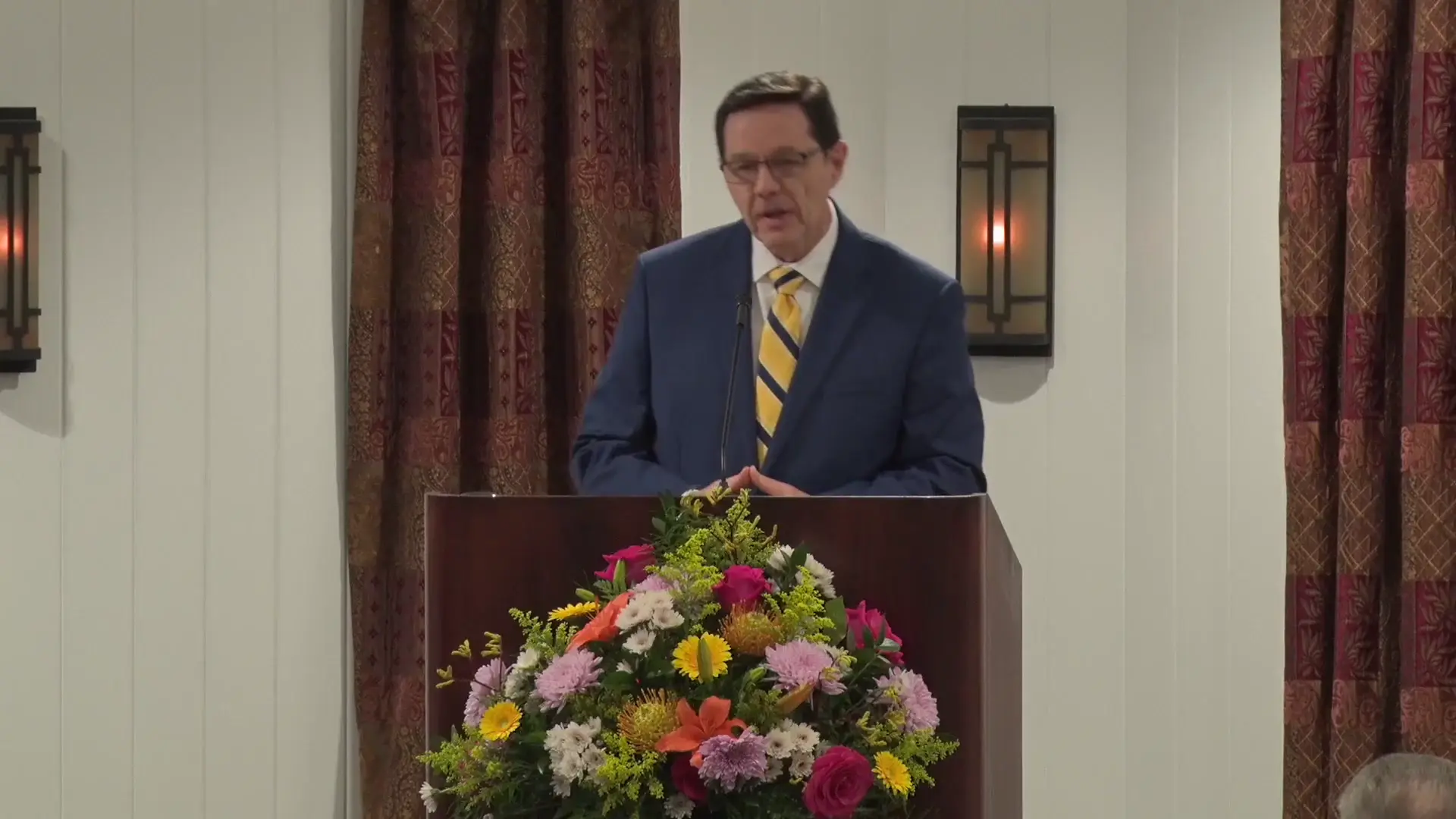
Sermon by Martin G. CollinsThe wave sheaf offering represents the perfect sacrifice of Christ as the first of the firstfruits. This period from the wave sheaf to Pentecost pictures a spiritual harvest of people called and prepared for the Kingdom. The two leavened loaves waved at Pentecost represent God's people accepted into His Family through the first of the firstfruits. Offerings brought on Pentecost represent the firstfruits and their service. Paul describes his life as a drink offering poured out upon the greater offering of the faith shown by the brethren through sacrifice and service to God and one another. The principle requires sowing bountifully in offerings and service to reap bountifully in character and blessings. Saints undergo an ongoing sanctification process of cleansing from sin through the blood of Christ and the Word to be made holy and blameless. Perfecting holiness requires effort in repentance, obedience, and producing the fruit of the Spirit. God preserves His saints for the resurrection of the firstfruits.
The Covenants, Grace, and Law (Part Nineteen)
Sermon by John W. RitenbaughThe spirit of the law does not do away with the letter of the law; without the letter, there is no spirit because there is no foundation. Examples show God's will.