


Filter by Categories
Living By Faith: Humility
Sermon by John W. Ritenbaugh (1932-2023)Humility, unlike pride, does not come naturally to us; it must be deliberately put on and added to our character through God's Spirit and our conscious decisions to submit to Him out of love, a desire to be like Him, and a longing to glorify Him. By His power and our cooperation, humility is created within us, enabling us to grow stronger in overcoming pride and its destructive influences on relationships. Humility is a developed characteristic, formed through contact with the Father in heaven and our willing submission, and it stands as a command we must choose to obey, just as we are commanded to resist the devil, cleanse our hands, and purify our hearts. In the Old Testament, humility is often portrayed as a condition of being brought low through poverty, affliction, or persecution, illustrating a social sense of being humbled that reflects a deeper spiritual attitude. In contrast, the New Testament presents humility as a virtuous quality, exemplified by God Himself, who, despite His supreme glory, stoops to lift up those far beneath Him, holding His awesome power in check to achieve a greater good. Jesus Christ, as the ultimate example, embodies humility not as weakness but as a deliberate control of power for the sake of others, taking on a servant's approach rather than a ruler's, which promotes good relationships by neutralizing pride. Humility stems from a genuine self-evaluation, where one deems himself worthless not out of self-loathing but out of recognition of complete dependence on God for every breath and spiritual need. It is the fruit of realizing one's spiritual poverty compared to God's perfection, an honest assessment that reveals our utter destitution of virtues valuable for eternal life and our inability to become like Him without His help. This poverty of spirit, central to a relationship with God, drives us to bow before Him, acknowledging our need and submitting to His will. Affliction and impending doom often promote humility, pushing us to cry out to God for intervention, and He responds by lifting us up, though sometimes leaving us marked by the experience to ensure we learn to submit continually. Humility, when put to work, yields positive effects, as seen in Solomon's recognition of his limitations, leading to honor and blessings from God. If we humble ourselves through brutally honest comparisons with His character, holiness, and righteousness, seeing how far beneath Him we are, He hears us, promises to bless us, and lifts us up, granting spiritual wealth as we submit to Him.
Humility
Sermonette by James BeaubelleHumility is not an obsequious act we turn on and off at will, but a sober reflection of our true relationship to God and our spiritual siblings.
Living by Faith: Humility and God's Justice
Sermon by John W. Ritenbaugh (1932-2023)Humility is a vital element in living by faith, working over time to neutralize the evil pride lurking within our hearts. Being humble is a clear choice, rooted in poverty of spirit, which implies a dependence upon God to supply spiritual needs that we do not naturally possess or have not developed. Only those called by God can truly be poor in spirit, as it is through His Spirit that we gain a right evaluation of ourselves and receive the spiritual riches we desperately need. God's calling enables us to perceive our relation to Him and His awesome purpose for us, which is essential for making right choices. God is impressed by humility expressed in His children toward Him, His ways, and His law. Humility is shown through actions such as doing justly by treating all fairly, showing kindness freely to others, and living in conscious dependence on God's greatness and sovereignty. A humble person will not walk with God in pride, providing clear evidence of growth toward character that glorifies Him. If we are proud, we fail to treat people kindly or deal justly, often tilting things in our own favor. Jesus Christ, the greatest to walk this earth, exemplified humility by showing complete dependence on the Father. Despite His greatness, He did not act on His own but maintained perfect communication with the Father, deferring to His lead. Jesus humbly claimed no equality in authority with the Father, instead emphasizing His reliance on Him, even while performing extraordinary acts. We are to imitate this dependence, seeking the Father and the Son for gifts to replicate Their character. Humility, like the fear of God, is a learned quality requiring a conscious decision to humble oneself before God and brethren, becoming a true servant giving love rather than yielding to pride. It is based on how well one sees and accepts God's supremacy over every aspect of His creation, especially oneself and fellow church members. This understanding allows for a proper self-evaluation between God's supreme spiritual richness and our spiritual poverty, paving the way to choose humility and obediently submit to His instruction. Only then can a person truly live by faith, seeing both God and oneself in a truer perspective. God responds to humility with honor, forgiveness, and answered prayers, ensuring His blessing. Without humility, there is no family relationship with Him, nor access to the Kingdom of God. It is an absolute necessity, as He clearly values and reacts to those who are humble.
The Sovereignty of God (Part Nine)
Sermon by John W. RitenbaughPrayer is not a dictating to a reluctant God, but a demonstration of our attitude of dependence and need. It is a means to get into harmony with God's will.
Pride of Life
Sermonette by Clyde FinkleaWe are admonished to put out the leavening of pride and arrogance. Pride is something we loathe in someone else, but tolerate in ourselves.

The Poor in Spirit
Sermon by Richard T. RitenbaughNothing that we could ever do could impress God, except for our contrition, acknowledgment of our infirmity, and remorse for our sins which displease God.
Unity (Part 7): Ephesians 4 (D)
Sermon by John W. RitenbaughBecause of our lack of self-discipline and willingness to guard the truth, we have allowed our theological base to deteriorate under the persuasion of the world.
Fully Accepting God's Sovereignty (Part Four)
Sermon by John W. Ritenbaugh (1932-2023)We are not individually sovereign, but we are taught to give ourselves over completely to God's sovereignty. If we do, we will reap unfathomable blessings.
New Covenant Priesthood (Part Five)
Sermon by John W. RitenbaughHumility is not low self esteem, but instead it is a proper estimate of our relationship to God, which is a choice to act and behave as a servant or slave.
Faith (Part Seven)
Sermon by John W. RitenbaughPride is a perverted comparison that elevates one above another. Because of its arrogant self-sufficiency, it hinders our faith. Faith depends on humility.
God's 'Heart Measure'
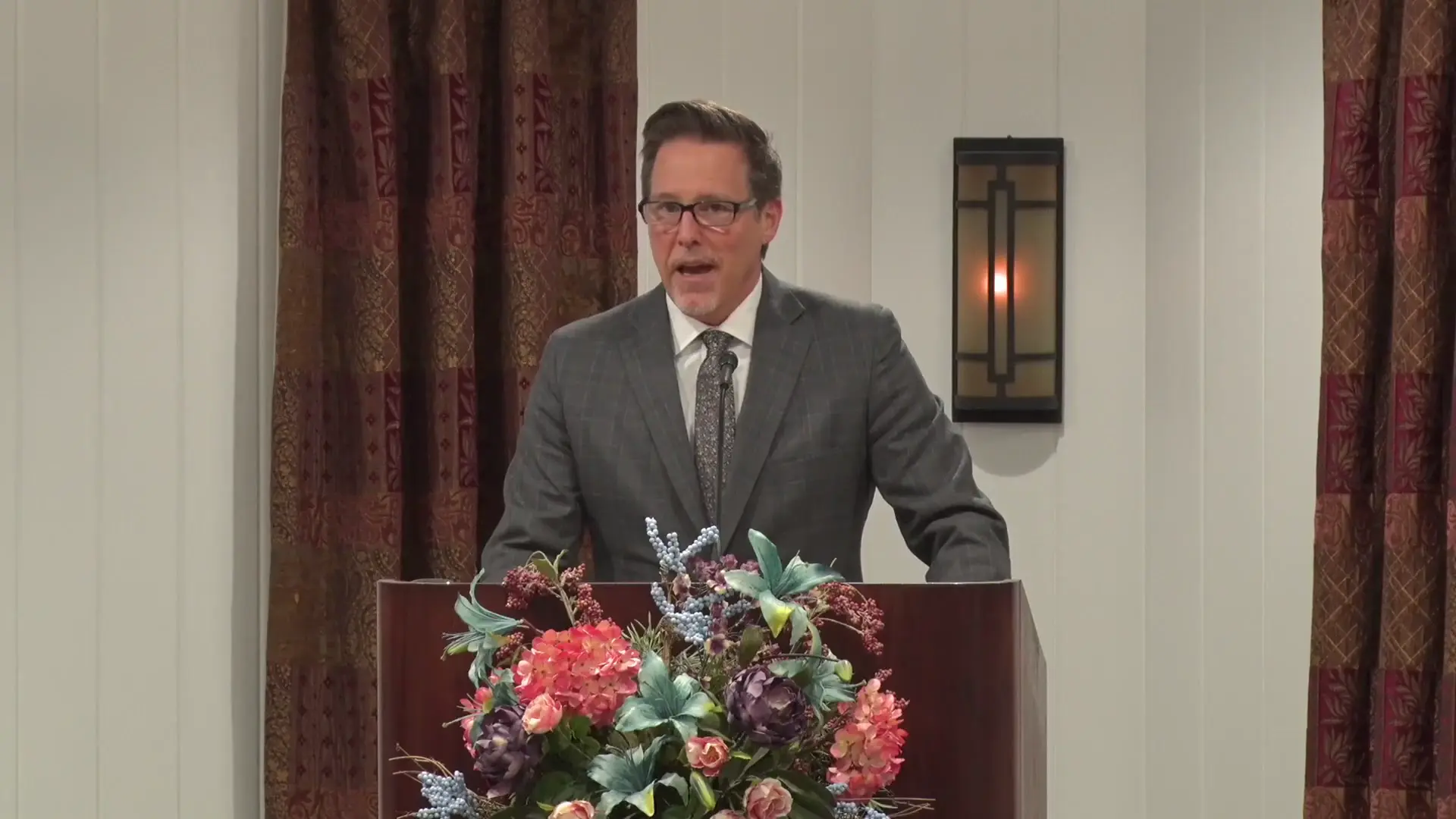
Sermon by Bill OnisickAs we examine our hearts in preparation for Passover, we are called to be clothed with humility, reflecting the heart of Jesus Christ, who is meek and lowly. In I Peter 5:5, we are instructed to submit to one another and be clothed with humility, for God resists the proud and gives grace to the humble. This imagery recalls the Passover event when Christ lowered Himself to wash the disciples' feet, demonstrating profound humility. Similarly, in Colossians 3:12, we are urged as the elect of God to put on tender mercies, kindness, humility, meekness, and longsuffering. This act of being clothed with humility signifies an inner transformation, aligning our hearts with God's standard, beyond mere outward obedience to the law. It is a call to recognize our spiritual bankruptcy and to approach our high calling with a heart controlled by Christ's Spirit, ready to suffer wrong, forgive, and forbear.
Humble Service
Sermonette by Ted E. BowlingJesus modeled the practice of foot-washing to demonstrate the need to be submissive to one another, to serve one another, including those who betray.
John (Part Twenty)
Sermon/Bible Study by John W. RitenbaughJust as a seed must die to itself in order to bear fruit, we also must sacrifice our lives, submitting unconditionally to God's to bear abundant fruit.
The Priesthood of God (Part Six)
Sermon by John W. Ritenbaugh (1932-2023)The priestly garments represent the holy character of God. Clothing is used as a badge of one's office and symbolizes what our character is like inwardly.
The Christian Fight (Part Three)
'Personal' from John W. RitenbaughWith all the military metaphors in the Bible, there can be no doubt that God likens the Christian life to a war against the evils and temptations we face.