


Filter by Categories
Guilt: Our Spiritual Pain
Article by David F. MaasGod has mercifully provided us with the capacity to feel spiritual pain, akin to physical pain, through the mechanism of guilt. This spiritual pain serves as a warning, much like physical pain alerts us to bodily harm, driving us to seek remedy and comfort for our spiritual ailments. Guilt acts as a moral governor, a kind of spiritual gyroscope that provides continuous feedback on our behavior, inflicting pain for wrongdoings and rewarding us with joy for righteous actions. Without this capacity to feel guilt, we would stray hopelessly off course, unable to correct our path. Even those not yet called by God possess a moral guidance system known as conscience, which becomes finely tuned with the addition of the Holy Spirit. However, repeatedly violating this conscience by masking guilt with escapist means can lead to devastating consequences, searing the conscience and rendering one incapable of feeling remorse or changing behavior. God desires to grant repentance to all, but a person can reach a point where this is no longer possible due to a conscience burned to cinders through persistent wickedness. We must thank God for this capacity to feel spiritual pain, as it provides the warning and motivation to transform into the image of our Savior Jesus Christ, ultimately yielding the peaceable fruit of righteousness to those trained by it.
Should We Ignore Our Feelings of Guilt?
Bible Study by Martin G. CollinsSin creates a profound sense of guilt, a haunting burden that weighs heavily on the conscience. As seen with Jacob's ten sons, who sold their brother Joseph into slavery, they lived with an ever-present feeling of culpability for two decades, tormented by memories of their deed whenever Egypt was mentioned. Guilt emerges as a condition or state resulting from the tension between righteousness and sin, an inevitable outcome of straying from the right path. It is not merely an error but a deeper failure to grasp the purpose of human life, an insult to the sacred relationship with the One to whom we owe everything. This guilt, born of sin, separates us from God, creating a rift that defines our state of being. When God's standards are dismissed as invalid, the sense of sin diminishes, leading to a world rife with violence, immorality, greed, and deceit, resulting in widespread misery and distrust. Sin and guilt are intertwined, often inseparable from the punishment that follows, as illustrated by Cain's despair after slaying Abel, lamenting a punishment too great to bear. Similarly, Joseph's brothers, though late to acknowledge their guilt, eventually recognized their wrongdoing when faced with consequences, admitting the distress they caused their brother and the separation it brought from God, Joseph, and their father, Jacob. Ignoring guilt does not erase it; the penalty of sin remains and must be paid. Persistent sin hardens the heart, immobilizing us, and the burden of guilt assures eventual misery, a reality that cannot be escaped without submission to God.
Who Is Responsible For Sin?
Sermonette by David C. GrabbeSin creates guilt that rests solely on the individual who commits it, as God's word makes clear that each person bears accountability for their own actions. When we sin, it is not because Satan authored the sin, but because we are drawn away by our own desires, as James 1 explains. The problem lies in the human heart, not in Satan's influence, for even though he deceives and broadcasts his attitudes, the responsibility to choose remains with mankind. God holds each soul accountable, as Ezekiel 18:19-20 states, declaring that the soul who sins shall die, and no one bears the guilt of another. There is no concept in Scripture of divided guilt or partial sin; if a person sins, even in ignorance or under deception, they are fully guilty and bear their iniquity, as Leviticus 5:17 affirms. The danger is not that Satan forces us to sin, but that we choose to sin, incurring the death penalty through our own decisions. God's admonitions to draw near to Him, resist Satan, and love the truth underscore that guilt is ours when we fail to heed these warnings. Romans 5:12 further clarifies that sin entered the world through one man, Adam, not Satan, showing that God reckons human sin to humanity itself. True repentance requires full acknowledgment of our own guilt, without shifting blame, for there is no biblical basis for claiming Satan is the author of our sins.
Psalm Genres (Part Six): Penitential Psalms
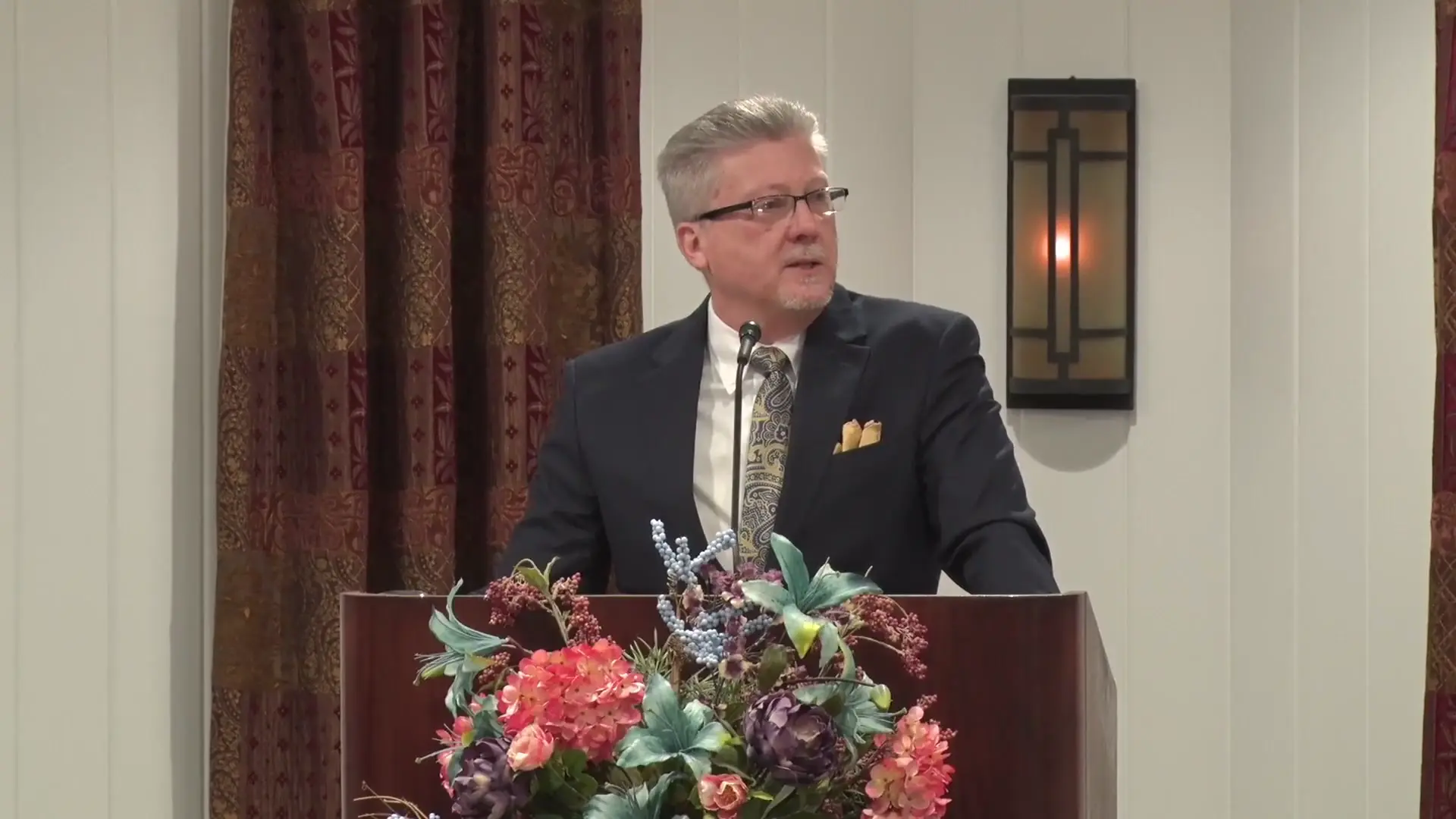
Sermon by Richard T. RitenbaughSin creates guilt because transgression against God's holy law incurs the death penalty and burdens the offender with a profound sense of unworthiness. This guilt functions as an internal indicator that something must change, often becoming psychologically corrosive as it weighs upon the conscience and reveals the depth of spiritual failure. God employs this guilt to motivate repentance, turning an otherwise destructive emotion toward the pursuit of forgiveness and restoration through His calling and the acceptance of Jesus Christ as Savior. In the account of Peter's calling, the miraculous catch of fish exposed his sinfulness so intensely that he begged Jesus to depart, illustrating how awareness of divine holiness can intensify feelings of guilt and drive a sinner to seek redemption rather than remain in self-deception. Similarly, on the Day of Pentecost the men who had crucified Jesus were cut to the heart by Peter's accusation, their guilt prompting the question of what they must do, which Peter answered by urging repentance and baptism for the remission of sins so that they might receive the Holy Spirit. Guilt cannot be assuaged by any means short of death, either of the sinner or of the Savior, yet outside God's mercy there is no forgiveness. Penitential psalms such as Psalm 51, Psalm 6, and Psalm 32 model the proper response: an appeal to God's mercy, honest confession of sin, a request for purification and restoration, a vow to teach others, and thanksgiving that follows forgiveness. These psalms portray the psalmist's remorse as rooted in spiritual sickness, often expressed through metaphors of physical illness, and show that godly sorrow produces diligence, zeal, and a determination to separate from sources of temptation. Thus guilt, though always evil in itself, serves God's purpose by exposing sin and leading the repentant person into renewed covenant relationship, renewed obedience, and the character of Jesus Christ.

An Unpayable Debt and Obligation
'Personal' from John W. RitenbaughWhen God calls us and redeems us through the sacrifice of Jesus Christ, we suddenly come under obligation—a debt we cannot pay but overshadows all we do.
Hebrews (Part Ten)
Sermon/Bible Study by John W. RitenbaughEverything about the Priesthood of Christ is superior to the Levitical system, which only served as a type of the access to God that Jesus would fulfill.
Joseph: A Saga of Excellence (Part Four)
Sermon by John W. RitenbaughJoseph's example proves that even the most difficult temptation can be resisted and overcome, though this skill must be developed incrementally.
Unity and Our Responsibilities
Sermonette by John W. RitenbaughBecause of the justification that individual sins do not matter much, Israel's collective unity was destroyed. We cannot practice this self-excusing mindset.
Elements of Motivation (Part Six)
Sermon by John W. RitenbaughEven though sin offers fleeting pleasure, we must learn to intensely hate sin, regarding this product of Satan as a destroyer of everything God loves.
Joseph: A Saga of Excellence (Part Three)
Sermon by John W. RitenbaughEven allowing for mankind's free moral agency and propensity to stumble, God still works out His purpose, even when people do not know it is for their good.
David and the Gibeonites
Sermon by Richard T. RitenbaughSaul tried to placate God by massacring Gibeonites. Later, David yielded to the Gibeonites' by hanging Saul's descendants to avenge the slaughter. God was not pleased.
The Offerings of Leviticus (Part Five): The Peace Offering, Sacrifice, and Love
'Personal' from John W. RitenbaughThe peace offering teaches many things, but one of its main symbols is fellowship. Our communion with the Father and the Son obligates us to pursue peace.