


Filter by Categories
Holy as He is Holy
Sermonette by Ronny H. GrahamBecoming holy is a process that spans an entire lifetime, which includes embracing God's holy days and tithes. Becoming holy takes continuous practice
Holiness (Part 2)
Sermon by John W. RitenbaughThe holiness of God demands that we, as His people, reflect His sacred nature in our conduct. We are commanded not to take the name of the LORD in vain, for His name is holy, as He is holy (Exodus 20:7). Psalm 99 declares, "Exalt the LORD our God, and worship at His footstool—He is holy," emphasizing that His holiness sets Him apart and calls for reverence (Psalm 99:5). This reverence must shape our lives, as seen in the plea of the model prayer, "hallowed be Your name," which prioritizes the sanctity of God's name above all else (Matthew 6:9). God's holiness is unparalleled, described as glorious and unique, with no one like Him among the mighty ones (Exodus 15:11; I Samuel 2:2). This transcendence means He is separate, above all creation, and His lordship extends to every aspect of life, including economics, child-rearing, education, politics, marriage, and more. As His witnesses, we are called to proclaim His holiness before the world, acknowledging that there is no savior besides Him (Isaiah 43:10-12). Our redemption's purpose is to serve Him without fear, in holiness and righteousness all the days of our life (Luke 1:74-75). The command to be holy in all our conduct is clear, rooted in the truth that He who called us is holy (I Peter 1:15-16). Holiness is not merely a feeling or appearance but a pursuit that involves the entirety of our behavior, reflecting God's transcendent nature. When confronted by His holiness, as Isaiah was, we recognize our unworthiness and are compelled to change (Isaiah 6:1-5). Similarly, encounters with Christ's holiness, as experienced by the disciples and Peter, reveal our sinfulness and the vast separation between us and the Holy One (Mark 4:35-41; Luke 5:1-8). Holiness implies separation to God, a cutting apart from the commonplace, and a dedication to purity in our relationship with Him. As holy brethren, we are sanctified by God, lifted from the ordinary, and set apart to reflect purity in our conduct (Hebrews 3:1). This sanctification is not static; it requires active choices and attitudes that align with God's will, ceasing to conform to former lusts and instead seeking to produce the divine likeness in all behavior (I Peter 1:13-14). Thus, our conduct must honor the holiness of God, ensuring we do not profane His name but live as a testimony to His transcendent majesty.
Holiness of God (Part 3)
Sermon by John W. RitenbaughLet us focus on the call to holy conduct as a reflection of our relationship with God. As He who called you is holy, you also must be holy in all your conduct, for it is written, "Be holy, for I am holy." Holiness is not merely a state conferred upon us by God's sanctification; it involves choices and attitudes that lead to right conduct in life. Before conversion, we lived in ignorance, dominated by the satisfaction of our own desires, but now we are to cease living according to what is profane, which in the Greek means far from the Temple, the holy dwelling place of God. We must seek to produce the divine likeness in all of our behavior, striving to remove sin from our lives, for without holiness, no one will see the Lord. Holiness is the beauty of all God's attributes and the rule of all His actions. Though we are not bidden to be omnipotent or omniscient as God is, we are commanded to be holy in all manner of conduct. Perfecting holiness is a process, accomplished by the Spirit of God, through fellowship with Him, and by faith and humility that produce obedience. As we cleanse ourselves from all filthiness of the flesh and spirit, we are transformed from the glory of man to the glory of God, reflecting His transcendent and powerful purity in our lives.
Holiness (Part 1)
Sermon by John W. RitenbaughHoly conduct emerges as the practical outworking of the third commandment, which governs not what is worshipped or how it is worshipped, but the quality of worship and the quality of one's witness before God and men. Because a name in biblical thought expresses the very nature of its bearer, to know God's name is to know His character, and to bear that name—as those baptized "in the name of the Father and of the Son and of the Holy Spirit" now do—is to take on a solemn responsibility. Baptism into God's Family name makes every believer an ambassador who participates in the authority of that name, but this privilege carries the corresponding demand that one's life not deny, in conduct, what the name proclaims in truth. The commandment forbids taking God's name in vain—that is, using it in a lying, false, profane, blasphemous, or purposeless way—and God explicitly states He will not hold guiltless, clean, or blameless anyone who does so. This applies far beyond common swearing or euphemism; it covers the light or disrespectful use of any of God's attributes or character, extending to the whole landscape of one's witness: conduct, attitudes, and integrity in every circumstance. Paul's rebuke in Romans makes this explicit: one who boasts in God's law while stealing, committing adultery, or robbing temples causes God's name to be blasphemed among the nations because of him. Likewise, Ezekiel shows Israel profaning God's holy name among the nations through their conduct even in captivity, so that observers said, "These are the people of the Lord, and yet they have gone out of His land"—a warning applicable to the Israel of God, the church, as much as to physical Israel. Since eternal life itself is defined as knowing God experientially, holy conduct flows from an intimate, growing relationship with Him rather than mere adherence to rules. Those who truly know God's name will trust Him and be kept by that name, both through faith and through obedience that conforms to His revealed nature. Jesus Christ, in whom dwelt all the fullness of the divine nature, declared the Father's name to His disciples precisely so that the love with which the Father loved Him might be in them—demonstrating that knowing the name is inseparable from Christlike love and conduct. John's exhortation that "everyone who has this hope in Him purifies himself, just as He is pure" reinforces this: bearing the name of God as His children obligates believers to purify their conduct in light of that privilege. Ultimately, a good name is called one's most valuable possession, and the question posed is direct and personal: what is one doing to uphold the Family name now borne through adoption into God's household? Are believers guiltless and clean in that bearing, or do their words, deeds, and attitudes profane the very name by which they are called? The third commandment thus tests whether one's daily conduct magnifies or profanes the name of the God whose nature has been fully revealed in Jesus Christ.
How Will We See God?
Sermonette by Bill OnisickRevelation 1:6-9 assures us that every eye will see Jesus Christ when He returns, but in what light will we see Him—in earnest joy or abject fear?
To the Glory of God
Sermon by Martin G. CollinsAs we reflect God in our behavior through imitating Jesus Christ, occasionally accepting His suffering when called upon, we reciprocally glorify the Father.
Unity (Part 6): Ephesians 4 (C)
Sermon by John W. RitenbaughUnity has to come from the inside out, with God raising a leader which His people, having their minds opened by His Spirit, will voluntarily submit to.
New Covenant Priesthood (Part One)
Sermon by John W. RitenbaughOld Testament activities picture New Testament realities, elevated to their spiritual intent. The church has been chosen as a royal and holy priesthood.
A Priceless Gift
'Personal' from John W. RitenbaughGod's children look no different on the outside, but God has given them something inside, something spiritual, that makes them special to Him.
Is 'I AM' Truly the Lord Your God?
Sermon by Mark SchindlerWhen Jesus was asked to acknowledge His physical family, He responded that those who yield to the Father's direction are His real family.
The Pure in Heart
Sermon by Richard T. RitenbaughIt is the core of our heart that must be cleansed before we can have a pure heart, enabling us to see God as He is.
Love and Works
Sermon by John W. RitenbaughGod expects works from all He has called. We show our faithfulness and loyalty to God by our works or conduct - what we produce by what we have been given.
Hope in Christ Purifies Us
Sermon by Martin G. CollinsWe must remember that hope is sure, but we must wait patiently for God's plan for us to unfold. In the meantime, we purify ourselves of corruption.
Shrugging Off Scoffers (Part Two)
Sermon by Martin G. CollinsAny prophetic speculation, accurate or not, is useless unless it is promotes diligence in living godly lives, eagerly preparing for the return of Christ.
Paul's Letter to Titus (Part 2)
Sermon by Martin G. CollinsThe last two chapters of Titus emphasize the importance of sound doctrine to neutralize the negative worldly aspects of culture and the attending heresies.
The Christian and the World (Part Five)
Sermon by John W. RitenbaughThe prince of the power of the air is responsible for influencing the zeitgeist (dominant mindset of the time), pulling us away from God and His law.
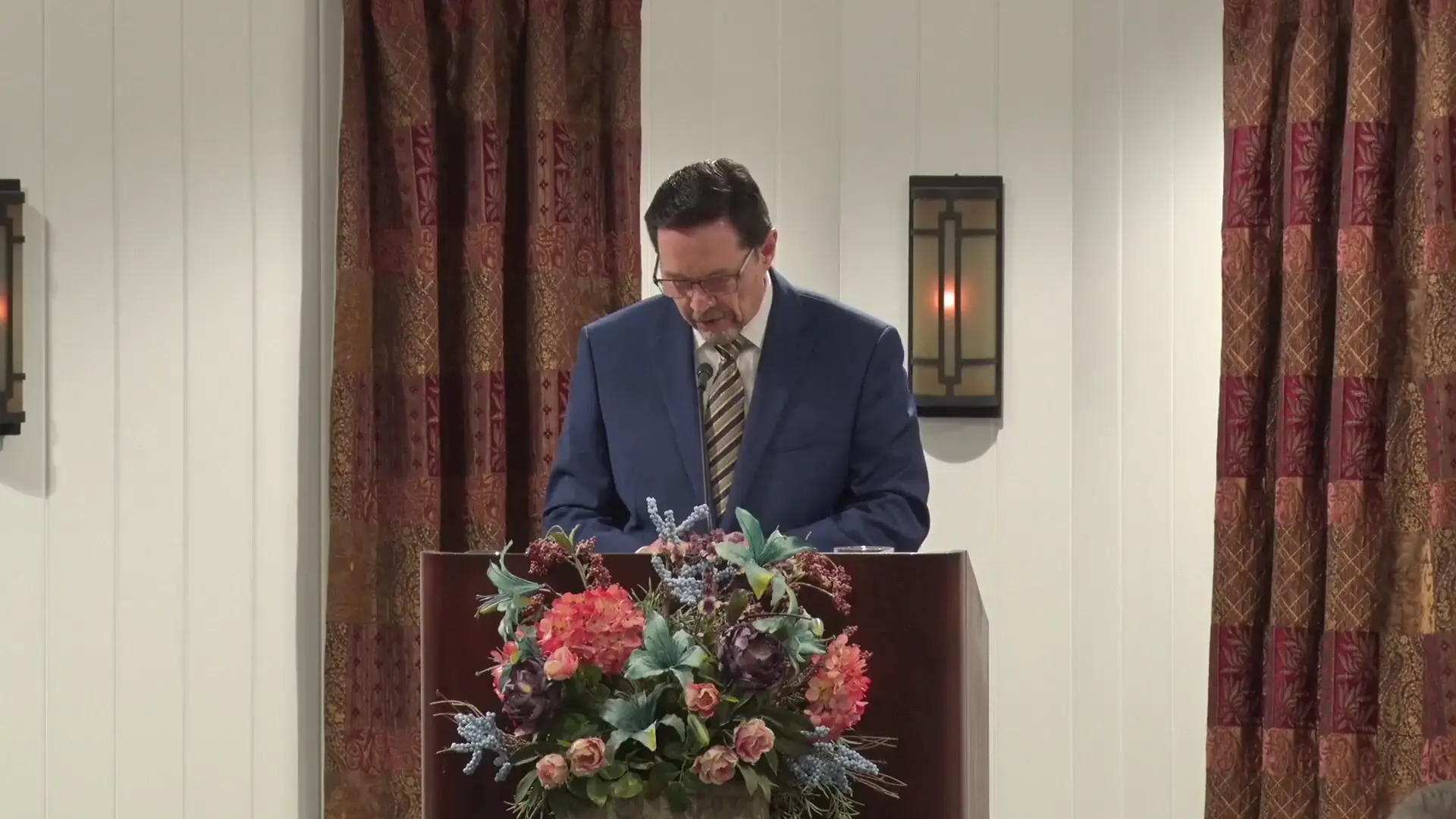
Displaying a Good Conscience: Politeness
Sermon by Martin G. CollinsTrue politeness is not mere social formality but a sacred expression of Christian virtue. Genuine courtesy flows from love, humility, patience, and integrity.
We are Called to Liberty
Sermon by Martin G. CollinsAs we are liberated from the bondage of sin, we are now free because we are slaves of righteousness, ironically the only true and lasting liberty.
Unity
Sermon by James BeaubelleThe virtue of love is the overarching framework for unity, demanding rigorous control over the tongue, understanding its capacity to destroy.