


Filter by Categories
Of Freedom and Independence
Sermonette by Austin Del CastilloIdeas of independence apart from God emanate from carnal human nature which is aligned to the rebellious mind of Satan.
Freedom and Unleavened Bread
Sermon by John W. RitenbaughThe Bible reveals that all of mankind is in slavery due to sin, a bondage that began with Adam and Eve and persists to this day, resulting in a world of warring societies and depraved systems. The Passover and Days of Unleavened Bread address how one can escape this spiritual bondage and remain free after redemption, a process almost entirely engineered by God. As with Israel's exodus from Egypt, slaves can do little to free themselves, for slavery means a loss of control over one's circumstances, with every aspect of life dominated by a master. Spiritually, God does virtually everything to liberate us, devastating the forces of bondage and acting as a rear guard to ensure our escape, marking the beginning of His grace toward us. This grace, as described in Titus 2:11-14, teaches us to deny ungodliness and worldly lusts, obligating us to live soberly, righteously, and godly, moving from dependence to spiritual independence. Grace makes ethical demands consistent with God's nature, training us toward the Kingdom of God with purpose and intention. Jesus Christ has broken the bond of ignorance and deception that held us as slaves, enabling us to make choices leading to God's kingdom, choices we were previously unable to make due to dominating influences. By His grace, God empowers us to live with prudence, keeping us headed in the right direction within His purpose. True spiritual freedom is not about changing physical location or government, as seen with Israel after crossing the Red Sea; they were geographically free but remained mentally and emotionally enslaved, yearning to return to Egypt due to a slave mentality. Freedom has everything to do with how one thinks—about oneself, others, things, and most importantly, about God and His purpose. When God calls us, He begins an educational process to replace worldly experiences with those aligned with His purpose, transforming our thinking and decision-making through a reservoir of experiences with Him. The struggle against spiritual bondage persists in the mind, as Paul describes in Romans 7:23, seeing a law in his members warring against his mind, bringing captivity to sin. Yet, Romans 8:2-3 declares that the law of the Spirit of life in Christ Jesus has made us free from the law of sin and death, addressing the weakness of the flesh through Christ's sacrifice. Spiritual freedom comes from walking according to the Spirit, not the flesh, for to be spiritually minded is life and peace. The Days of Unleavened Bread symbolize taking in the pure, unadulterated word of God, which is spirit and life, as Jesus declares in John 6:63. This word, exemplified by Christ, the living Word who never sinned, must be imbibed continuously, as commanded in Exodus 12:15-17 to eat unleavened bread for seven days, representing perfect completion and a lifelong commitment to God's word. This pure word, refined and proven, shields us from bondage, protecting us from the lies and deceit of the world instigated by satan, as noted in John 8:44-45. Unlike the limited and prejudiced word of men, God's truth keeps us free and prevents us from sliding back into spiritual slavery. God's promise in Exodus 6:5-8 to bring Israel out of bondage applies to us spiritually, addressing the root problem in our minds. Human nature, the world, and satan remain unchanged, but God's Spirit and truth are constant, offering a solution through a change of mind fueled by His pure word. Jesus' purpose, as stated in Luke 4:16-19, is to proclaim liberty to the captives and set at liberty those who are oppressed, working on the mind through His pure words to heal, inspire, and give direction. Through His calling and the revelation of His purpose via His word, we are empowered to become part of the Kingdom of God, using our free moral agency to pursue the highest standards of His kingdom.
Could You Be a Spiritual Terrorist?
'Ready Answer' by David F. MaasSpiritual freedom is a vital pursuit for God's called-out ones, requiring active resistance against the influences of the devil, the world, and our own flesh. Passivity and neglect can sabotage this freedom as destructively as overt acts of aggression, leading to spiritual decay and ruin. As illustrated in the Parable of the Wise and Foolish Virgins, inaction—failing to acquire a reserve of God's Holy Spirit—results in exclusion from the wedding feast, symbolizing a loss of spiritual opportunity. Similarly, the Parable of the Wedding Feast condemns negligence, showing that refusal to embrace righteousness brings severe consequences. Overcoming is an active process, essential for conforming to the image of Christ and meeting the requirements to be members of God's Family. By succumbing to passive compromise or the false doctrine of eternal security, believers risk spiritual destruction, allowing their salvation to be undermined through neglect of necessary works that strengthen their relationship with God and foster character growth.
Responsibilities of Real Liberty
Sermonette by Mark SchindlerA piece of paper, such as Abraham Lincoln's 1863 Emancipation Proclamation, does not really set people free, especially from the slavery of human nature.
Our Declaration of Independence (Part One)
CGG Weekly by John ReissIt is good for us to remember the freedom that God has given to us, those in the church of God, a freedom that the rest of the world just does not have.
The Law of Liberty
Sermonette by James BeaubelleProtestant theologians have created an artificial divide between mercy and law-keeping, asserting that 'the law of liberty' does away with God's Law.
The Last Jubilee
Sermonette by Bill OnisickThe Jubilee was designed to keep the family whole. The Jubilee provided guardrails to prevent them from obsessing about acquiring wealth.
Liberty Under the Law
Sermon by Mark SchindlerWe must discipline ourselves to live within the hedge of God's law, knowing that His Spirit provides the motivation to stay free by submitting to that law.
How Does God Help Us? (Part 1)
Sermon by John W. RitenbaughJesus explains that the truth is the only thing that will set us free. A major player in our lives or spiritual journey is the truth and how we use it.
We are Called to Liberty
Sermon by Martin G. CollinsAs we are liberated from the bondage of sin, we are now free because we are slaves of righteousness, ironically the only true and lasting liberty.

God's List
Article by Mark SchindlerOskar Schindler was determined to rescue as many Jews as possible from the horrors of the Final Solution. God acts in a similar way with His people.
Are You Subject to Perpetual Bondage?
Sermon by Martin G. CollinsPaul appealed to his old friend Philemon after his slave Onesimus ran away, stealing his money, running to Rome to assist Paul during his imprisonment.
Uniqueness and Time
Sermon by John W. RitenbaughOur unique calling makes us a special possession of God. Sealed with a downpayment of God's Spirit, we have the obligation to glorify God by obedience.
Growing Into Liberty
Sermon by John W. RitenbaughOur emancipation from sin does not automatically remove our acquired spiritual shackles. We must grow out of the slave mentality into liberty and freedom.
The Commandments (Part Six)
Sermon/Bible Study by John W. RitenbaughGod gave the Sabbath to His people so they can know Him intimately. Idolatry, scattering, and captivity are the natural consequences of Sabbath-breaking.
John (Part Fifteen)
Sermon/Bible Study by John W. RitenbaughAs long as we are slaves of sin and following the dictates of our lusts, we have no free moral agency. God liberates us from sin so we are free to obey Him.

The Elements of Motivation (Part Four): Obligation
'Personal' from John W. RitenbaughUnderstanding our obligation to Christ leads to a deeply held loyalty to Him. Our redemption should make us strive to please Him in every facet of life.
The Covenants, Grace, and Law (Part Twenty-Four)
Sermon by John W. RitenbaughThe days, months, and times of Galatians 4:10 do not refer to God's Holy Days (which are not weak or beggarly), but to pagan rites the Galatians came out of.
Leadership and Covenants (Part Three)
'Personal' from John W. RitenbaughGod is putting us through exercises to create leaders in His image. His covenants are a primary tool in this process.
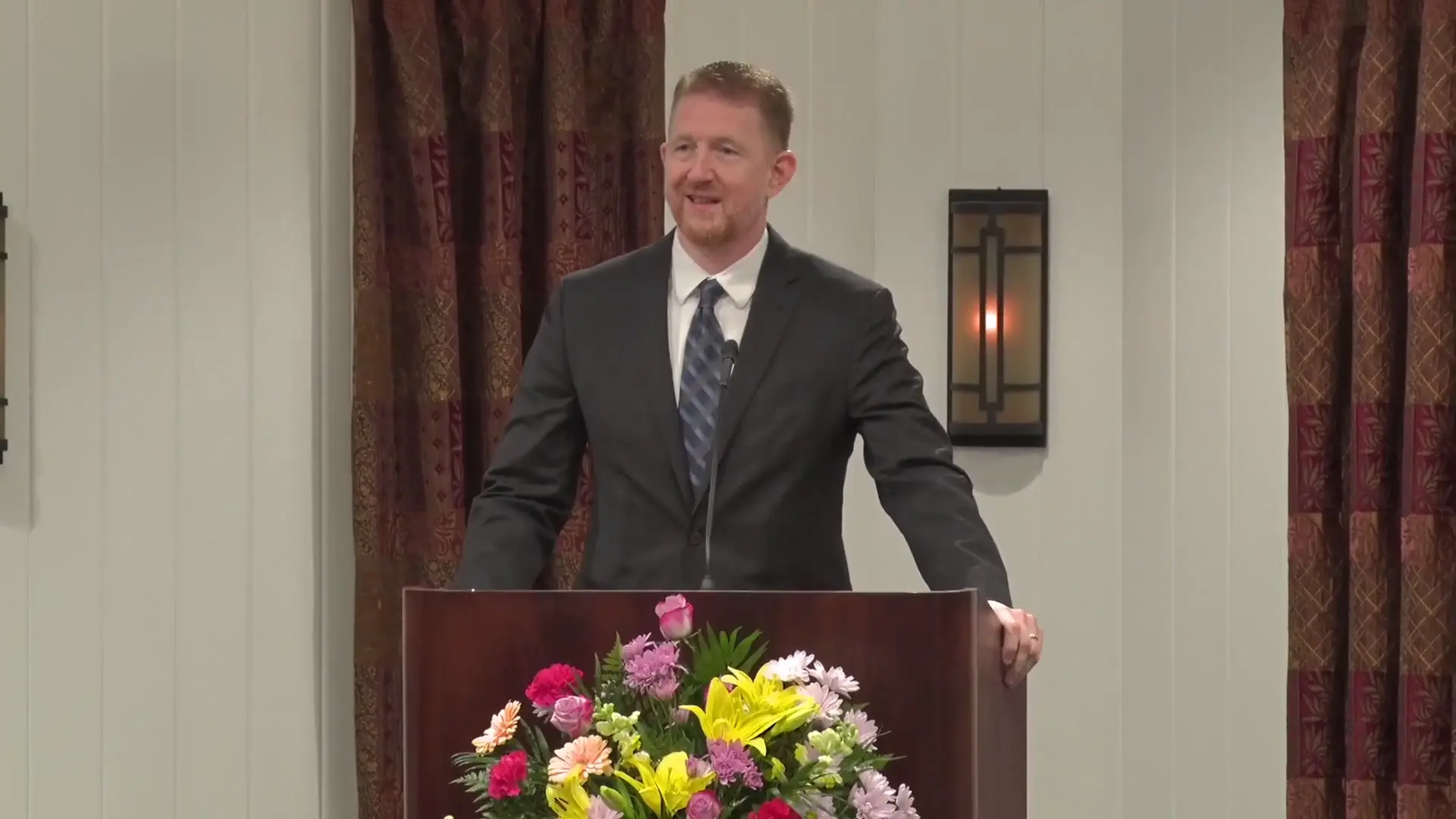
Remaining Free
Sermon by David C. GrabbeIn the vision of end-time Babylon described in Revelation 18, the commerce includes not only material goods but also the bodies and souls of men, signifying that Babylon enslaves the heart. This spiritual enslavement is a pressing concern as we live in a time when Babylon's influence constantly pulls at us, urging us to come out lest we share in her sins and plagues. The Feast of Unleavened Bread serves as a memorial of God's deliverance from bondage, both anciently and personally, reminding us that He has freed us from the present evil age and the power of darkness. Our gratitude for Christ's deliverance should motivate us to ensure we do not become enslaved again, despising His gift. The phrase "house of bondage," used repeatedly in Scripture in relation to Egypt, carries a warning against rebellion and a return to slavery if God's instructions are ignored. God's law, introduced with the reminder of His deliverance from this house of bondage, is presented as the law of liberty, guiding us to remain free by defining sin, which enslaves. True freedom lies in worshiping the true God as He commands, without idolatry or deviation, ensuring we do not return to spiritual captivity. God's commandments, particularly against idolatry and for Sabbath-keeping, are foundational to maintaining freedom. Disobedience, such as forgetting God through prosperity or failing to keep His statutes, risks a return to the house of bondage. Abiding in God's word, as Jesus Christ teaches, leads to knowing the truth that sets us free, emphasizing that true freedom is found in a relationship with Him, the embodiment of truth. Sin, however, enslaves, making whoever commits it a slave to it, while Christ's deliverance offers true freedom. The danger of spiritual captivity also arises from false teachings and influences that entice us away from God's prescribed way, leading back to bondage. Covetousness, identified as idolatry, enslaves the heart, as seen in Babylon's tactics through advertising, pulling at human desires and drawing us away from serving God. Various forms of bondage, such as anxiety, debt, and conformity to the world, further threaten our spiritual liberty, contrasting with the perfect will of God that transforms us. Ultimately, deliverance is a process, with Christ as the one who sets us free from sin and the entanglements of this world. As we commemorate God's deliverance during this feast, we must cooperate with Christ by yielding to His righteousness, filling our minds with the unleavened bread of sincerity and truth to remain free from spiritual slavery.
Wilderness Wandering (Part One)
Sermon by John W. Ritenbaugh (1932-2023)We are in various stages of our wilderness journey, not knowing where our journey will take us. The turns give us opportunities to strengthen our faith.