


Filter by Categories
Evaluating the Price of Redemption
CGG Weekly by John O. ReidA profound price was paid to redeem us from bondage to sin and death, as we were bought at a cost beyond measure. This redemption was not achieved with corruptible things like silver or gold, but with the precious blood of Christ, as of a lamb without blemish and without spot. It required the death of the Creator God, the very One to whom we owe our existence, who bore our sins in His own body on the tree, that we might live for righteousness. By this priceless cost of our redemption, we now belong to God, and the lifeblood of the Son of God, Jesus Christ, was the only price sufficient to pay our enormous debt of sin. Accepting this sacrifice and Him as Savior, we bear a responsibility to devote ourselves to Him in love and obedience. Therefore, we must never take the Passover lightly, for it is a most solemn occasion, reminding us that our God had to die to bring us salvation. We are urged to examine ourselves deeply, to discern our true state, remembering the immense price He paid in suffering and death, and to use His great love as incentive to correct our flaws in preparation for life in His Kingdom. Passover recalls the unbelievable, awesome sacrifice Jesus made for each of us, compelling us to set aside time to review what He suffered and to set goals to overcome our shortcomings, striving to truly please God.
Redeemed, But Waiting for Redemption
Sermonette by David C. GrabbeRedemption means to buy back or ransom, and more broadly to rescue from the power of something oppressive. Israel's redemption from Pharaoh at Passover was only the beginning of her relationship with God, and in the same way the believer's redemption has past, present, and future aspects, much like salvation (saved, being saved, will be saved). In the past, Christ redeemed us from the curse of the law by paying the ransom with His perfect life (Galatians 3:13; 4:4-5). The law itself is not a curse; it is a law of liberty that keeps people out of bondage, but breaking it brings death and other curses. In the present, redemption through His blood continues for those who remain "in Him" (Ephesians 1:7), abiding in Christ and keeping His words, since those who practice lawlessness are not known by Him. God may not rescue from every circumstance, as with Daniel and Paul's thorn, because He is most concerned to redeem us from every lawless deed (Titus 2:14). In the future, believers await the redemption of the body (Romans 8:23) at Christ's return, when corruptible flesh is changed to incorruptible spirit, giving a nature fit for the Kingdom. The Holy Spirit is the down payment sealing us until that day (Ephesians 1:13-14; 4:30), but it can be grieved and quenched, so the inheritance can be forfeited. Passover looks back to Christ's death and forward to final redemption in the Kingdom.
Themes of Ruth (Part Three): Redemption
Sermon by Richard T. RitenbaughRedemption carries a profound significance, encompassing past, present, and future dimensions. He has redeemed us, yet we are also being redeemed, and there remains a future redemption at His return. Though drawn out of this world by His grace, we often stumble and return to worldly ways due to our carnal minds, necessitating continual repentance and realignment with His people to pursue what is right and good. God persistently draws us toward His freedom, liberating us from the slavery of this world. In the symbolism of the wave loaves, we see individuals who, despite being sinners, have been redeemed, justified, sanctified, and saved, becoming acceptable to God as His holy people. These firstfruits, represented by the loaves baked with leaven, signify corruption and sin, yet through redemption, they are set apart for service as priests like Jesus Christ. Their dedication to God and fellow man, as shown through various offerings, reflects a complete commitment, with sins covered by a price paid, establishing a harmonious relationship with God. The gleaning law provided sustenance for the poor and strangers, offering a hand up to change their situation and status. This act of charity mirrors a form of redemption, enabling improvement in life circumstances and integration into God's family. God's desire for freedom is evident in His act of redeeming His people from slavery in Egypt, leading them to a land of blessings and obligating them to remember their past bondage and keep His statutes, including the feasts, to maintain their relationship with Him as Redeemer. In the narrative of Ruth, redemption is subtly introduced through the cost of returning to the Promised Land. The deaths in Naomi's family symbolize the ultimate price paid by the Creator God, our King, to redeem us from the world and sin, bringing us back to His people. Boaz, as a figure of redemption, integrates Ruth, a foreigner, into God's way of life by instructing her to stay in his field, remain with his people, and partake of his provisions, reflecting how God calls us out of the world, places us among His people, and nourishes us with His blessings. Boaz's eagerness to redeem Ruth, prioritizing her over material gain, underscores a deep desire to secure her as part of his life, paralleling Christ's fervent wish to have us in His Kingdom. His actions demonstrate a commitment to redeem not just land, but a person, willing to do whatever it takes, mirroring the ultimate sacrifice made to redeem a people for Himself. This ongoing process of redemption continues as He works to free us completely from this world, purifying our minds and character from past filth, preparing us to be waved before Him as acceptable firstfruits, ultimately to live and work with Him for eternity in His Kingdom.
The Sabbath: Redemption
Feast of Tabernacles Sermon by Richard T. RitenbaughOur God provides far more for us each day and hour than any human could, often in ways that are invisible and unobtrusive. He sustains our lives, upholds our health, supplies our needs, and maintains a hedge of protection around us against harm and spiritual adversaries. Without these blessings, there would be no hope of life for anyone. One of God's greatest gifts is the weekly Sabbath, a time to rest, reflect, and recharge, linking us to both creation and redemption. In Deuteronomy chapter five, the Sabbath command emphasizes redemption as a reason to observe the day. It recalls how God redeemed His people from slavery with mighty power, bringing them out of bondage and providing for them in every way. This redemption is not merely a single act but encompasses all that God did to free His people and lead them to the Promised Land. It is a personal reminder of His work on their behalf, a fitting subject to remember on the Sabbath day. The Feast of Tabernacles also ties to this theme of redemption, reminding us of God's provision for Israel in the wilderness as they dwelt in temporary booths. This symbolizes our transitory state in this world, moving toward the Kingdom of God, and highlights God's ability to provide under any circumstance. He ensures we have what we need, teaching us to depend on Him rather than material possessions, preparing us for eternity. God's providence in redemption demands a response of deep gratitude for all His works and blessings. On the Sabbath, we are to focus on Him, recognizing that everything we have and are is due to His grace and intervention. This remembrance of our redemption from a former state magnifies God's role in our lives, leading us to realize our immense debt to Him. Our logical response, as outlined in Deuteronomy chapter eight, is threefold: to keep His commandments, walk in His ways, and fear Him with reverence, ensuring we do not disappoint Him. This focus on redemption during the Sabbath should produce a weekly rededication to God and His way. By remembering where we were before He intervened and comparing it to our current state, we see that the difference is entirely due to Him. This gratitude compels us to pledge with deepening conviction to grow further in His grace, to obey Him, and to live as He instructs, acknowledging that all we have and will be is because of Who our God is and what He continues to do for us.
Jerusalem and the Plan of Redemption
Sermon by Martin G. CollinsThe history and imagery of Jerusalem hold within them the revelation of the plan of redemption for all humanity. As this plan unfolded in the Bible, Jerusalem became a vital symbol of Israel's belief that God rules over the earth and established David and his sons as His human vice-regents. Consequently, Jerusalem emerged as the image of Israel's grand imperial hopes. Jesus proclaimed that the work of the Messiah constituted the restoration of the people of God from the bondage of sin, closely connected with Jerusalem as the place of divine and Davidic kingship. His teaching elevated restoration to a spiritual level, explaining that worship should be in spirit and truth, effectively ending earthly Jerusalem's position as the spiritual center for God's religion. Christ's death, resurrection, ascension, the founding of the Church, and the giving of the Holy Spirit in the vicinity of Jerusalem were associated with His exaltation to the throne of His father, David. The written word of God carries the message of His mercy and plan of redemption for humanity. Zion, or the Church, stands as the promoter of religious truth and the center of religious influence in the world, from which the law and will of God under the reign of Jesus Christ proceed. The New Jerusalem represents the full realization of the Kingdom promise, a heavenly city that will far transcend the glory of its earthly counterpart. In this city, the people of God will enjoy unhindered worship and fellowship under the great Davidic King, Jesus Christ. All things will be made new, with no remnants of the earthly Jerusalem, as the reign of God will be fully actualized on earth through the vice-regency of His Son.
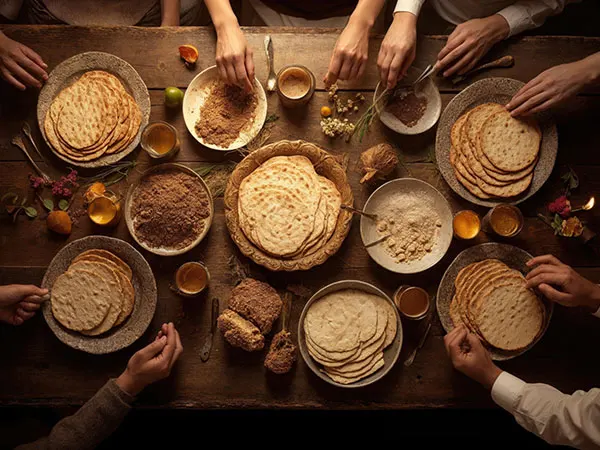
Is the Passover Just a Sin Offering? (Part Four)
Article by David C. GrabbeJesus says that the Passover will be fulfilled in God's Kingdom, and His inclusion of bread in the service points to the nature of the redemption process.

The Lamb of Revelation (Part One)
'Prophecy Watch' by David C. GrabbeIn most minds, lambs do not correspond to ideas of wrath and judgment, but the Lamb of God in Revelation is just that as our almighty Redeemer.

God's List
Article by Mark SchindlerOskar Schindler was determined to rescue as many Jews as possible from the horrors of the Final Solution. God acts in a similar way with His people.
The Law of the Firstborn
Article by StaffIt is an unusual fact that the subjects of God's spring holy days and firstborns appear in the same contexts. Here is what this means to us.
The Lamb of Revelation
Sermonette by David C. GrabbeIn Revelation, John refers to Christ as the Lamb more than any other designation because of His role of Redeemer, which is different from a sin offering.

Holy Days: Passover
Bible Study by Richard T. RitenbaughThe Passover commemorates the first steps God took to lead His people from the world toward ever-closer fellowship with Him and His Son, Jesus Christ.
Our Covenantal Obligation
Sermonette by Richard T. RitenbaughGod saved us from our life of sin, and we accepted the rescue; it is time to show gratitude and give an offering along with following the other statutes.

Passover: An Extraordinary Peace Offering
Sermon by David C. GrabbeThe Passover sacrifice is basically unconnected with atonement, but represents the peace and security which attends fellowship with God because of His acceptance.
Christ as Redeemer
CGG Weekly by Richard T. RitenbaughThe idea of redemption is that of 'buying back,' of paying the cost—often a steep one—to restore someone or something to a former condition or ownership.

The Lamb of Revelation (Part Two)
'Prophecy Watch' by David C. GrabbeIn Exodus 13, lambs redeem the firstborn. The Lamb of God delivers sinners from the death penalty, but another redemption will occur at Christ's return.

Is the Passover Just a Sin Offering? (Part Three)
Article by David C. GrabbeThe Passover consistently reveals a redemption that is distinct from forgiveness or payment for sin. In Egypt, God's instructions for the Passover meal contain no mention of atonement or propitiation; rather, the basic meaning of the Hebrew word for Passover shows that God mercifully made an exemption, passing over the Israelites rather than requiring or providing payment for their sins. He redeemed Israel not from the death penalty but from the hand of Pharaoh, fulfilling His earlier promises to Abraham. The blood on the doorposts signified protection, not payment, since He delivered Israel because of covenant loyalty rather than atonement. A comparison between the Passover and the sin offering demonstrates irreconcilable differences: location of consumption, method of preparation, who could eat the sacrifice, and the treatment of the head, legs, and entrails all show that the Passover cannot be classified as a sin offering. Instead, the Passover closely parallels the peace offering, which pictures fellowship with God based on already-granted favor rather than an attempt to secure forgiveness. The peace offering—also called the thanksgiving, fellowship, or saving offering—represents a life given not to pay for sin but to produce communion and thankfulness between God and man. This is precisely what occurred at the Exodus Passover: Israel's sins were mercifully overlooked, not paid for, because of God's faithfulness to His covenant with Abraham. The Passover thus marks the beginning of God's redemptive relationship with Israel, a "lamb of redemption" inaugurating fellowship with a sinful yet believing nation. Preconditions for keeping the Passover—circumcision and ceremonial cleanliness—further confirm that it was not a means of cleansing from sin, since a sin offering's very purpose is to cleanse, whereas the Passover required prior cleanliness as a mark of covenant relationship. This pattern of redemption through fellowship rather than atonement appears earliest in Melchizedek's Passover with Abraham (Genesis 14:18-20), where bread and wine are shared without any mention of sin, emphasizing God's grace and deliverance rather than propitiation. The same pattern culminates in Christ's Last Passover, where His focus is not on the disciples' sins but on fervently desired fellowship with them. Crucially, Christ declares that the Passover will not be fulfilled until the Kingdom of God is established. Since the sin offering has already been completely fulfilled through Christ's sacrifice, as Hebrews affirms, what remains to be fulfilled at His return is not atonement but the complete realization of redemption—the very reality the Passover has pointed to from its inception, awaiting fulfillment in the coming Kingdom of God.

Passover, Obligation, and Love
'Personal' from John W. RitenbaughChrist's redemption obligates us to obey and serve Him. We show our gratitude for this priceless gift by doing good in acts of love and service to others.
The Awesome Cost of Salvation
Sermon by John W. RitenbaughWe need to be sobered at the awesomeness of the cost to set us free from sin—what the Creator endured. We have been purchased, and are obliged to our Purchaser.

Our Uniqueness and Time
'Personal' from John W. RitenbaughOur special position before God gives us an equally unique opportunity that we do not want to squander.
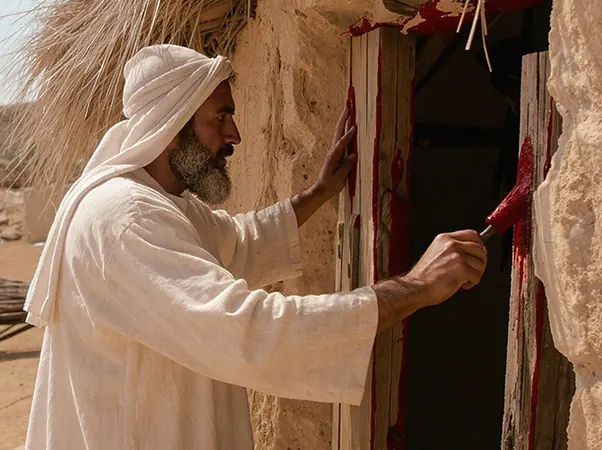
Is the Passover Just a Sin Offering? (Part Two)
Article by David C. GrabbeThe Passover observance centers on redemption, as God instructed Israel to apply the blood of a specially prepared lamb to their doorposts so that He would pass over their houses during the plague on Egypt's firstborn. This act purchased the nation from Pharaoh's legal claim and oppressive rule, delivering the people from bondage in a land that was not their own. The blood served as a sign of the lamb's life given to redeem each participating household, protecting the Israelites from the destroyer and enabling their departure with great possessions. God undertook this redemption because of His covenant with Abraham, Isaac, and Jacob, remaining faithful to His earlier promises that Abraham's descendants would become a great nation and receive a specific land. Although the Israelites were themselves idolaters at the time, God chose to spare and deliver them rather than destroy them along with Egypt, acting for the sake of His name and demonstrating mercy that was not dependent on their righteousness. This redemption specifically concerned release from Pharaoh's authority over God's firstborn nation and its households, later reinforced by instructions to redeem firstborn sons and unclean animals with a lamb. It did not involve payment for sins or removal of iniquity, as no mention of atonement or forgiveness appears in the Exodus account. Instead, the observance highlighted God's pledge to buy back His people from affliction, establishing the foundation for their identity as a delivered nation through which He would fulfill His covenant purposes.
The Price of Atonement
CGG Weekly by Richard T. RitenbaughA suitable sacrifice had to be offered so that the sins of mankind could not only be covered, but be completely paid for, forgiven, removed, and forgotten.

The Elements of Motivation (Part Four): Obligation
'Personal' from John W. RitenbaughUnderstanding our obligation to Christ leads to a deeply held loyalty to Him. Our redemption should make us strive to please Him in every facet of life.
The King's Highway
Sermonette byGod provided highways in the wilderness to deliver Israel from bondage, to alert God's people that salvation is coming, and to proclaim the coming Highway of Holiness.
The Offerings of Leviticus (Part Six): The Sin Offering
'Personal' from John W. RitenbaughJesus' perfect offering of Himself for us fulfilled the sin offering of Leviticus 4. Our acceptance of His offering for atonement puts us under obligation.
The Last Jubilee
Sermonette by Bill OnisickThe Jubilee was designed to keep the family whole. The Jubilee provided guardrails to prevent them from obsessing about acquiring wealth.
Elements of Motivation (Part Four)
Sermon by John W. RitenbaughBecause we have been bought with an awesome price, we have no right to pervert our lives, but are obligated to look upon our bodies as vessels in His service.

Worthy to Take the Scroll
'Prophecy Watch' by David C. GrabbeThough often skipped, Revelation 5 narrates an event of tremendous magnitude: the opening of the divine scroll. What is the scroll, and why did John weep?
Worthy to Take the Scroll
Sermonette byThe sealed scroll most resembles a title deed, which can only be opened by the redeemer of the property. The rightful owner of the title deed is Jesus Christ.
Knowing God: Formality and Customs (Part Seven)
Sermon by John W. RitenbaughThe way that one lives provides testimony and witness. To witness and endure life's various trials, we must have faith in who and what we are.
Jesus in the Feasts (Part Four): Atonement
Sermon by Richard T. RitenbaughIsaiah 53 and passages from the New Testament substantiate Christ's dual role in shedding His blood and bearing away sins, thereby reconciling humanity to God.
Limited Atonement
Sermon by Richard T. RitenbaughThe prospect of atonement and salvation is available to everybody, but only those called by the Father—not by an evangelical altar call—are eligible.
A Priceless Gift
'Personal' from John W. RitenbaughGod's children look no different on the outside, but God has given them something inside, something spiritual, that makes them special to Him.
Knowing God: Formality and Customs (Part Four)
Sermon by John W. RitenbaughHair length and clothing are outward indicators of a person's inner spiritual condition. They serve as a testimony of what we are on the inside.
Parables of Matthew 13 (Part 3): Hidden Treasure
Sermon by Richard T. RitenbaughThe church constitutes Christ's treasure, hidden in the world, purchased and redeemed with Christ's blood. The Pearl of Great Price depicts a rich merchant (Christ), the only one who had the means to redeem His church. The Dragnet symbolizes the scope of God's calling while the separation process indicates God's high standards of selection, indicating a time of righteous and impartial judgment. The Householder parable shows the responsibility of the ministry to be authoritative interpreters of scripture, using what they have learned and experienced to instruct the people.

His Bones Were Not Broken
Sermon by Ted E. BowlingJesus is the fulfillment of the Passover Lamb whose bones were to be left intact. His piercing parallels the lamb being bled by splitting its throat.

Never Forget
Sermon by Ryan McClureAfter Adam and Eve sinned, God provided them a vivid introduction to death, perhaps killing an animal in their presence to make tunics for them to wear.