


Filter by Categories
Sovereignty and Choice
Sermonette by David C. GrabbeSome theologians see law and grace at the opposite ends of a continuum. They cannot imagine how God's sovereignty and man's free moral agency can co-exist.
The Whole Truth
'Ready Answer' by John O. ReidWe have heard the courtroom mantra, 'the truth, the whole truth, and nothing but the truth.' Behavior shows that many shy away from 'nothing but the truth'!
Ecclesiastes Resumed (Part Six)
Sermon by John W. Ritenbaugh (1932-2023)God wants us to use wisdom to change ourselves, humbly replacing our perspective with His perspective. God gives wisdom as a component of His grace.
Truth and God's Governance (Part One)
CGG Weekly by David C. GrabbeJesus as not a typical revolutionary, seeking to overthrow a human regime, yet the truth He spoke was so radical that He was put to death cruelly for it.
The Sovereignty of God (Part Ten)
Sermon by John W. RitenbaughLike Job, we must surrender to God's will and purpose for our lives, realizing that both pleasant and horrendous times work for our spiritual development.
Trumpets: Glorious Appearings
Sermon by Richard T. RitenbaughGod spoke audibly to Moses and the people, intentionally testing their faithfulness, to instill the fear of the Lord in them, and to keep them from sin.
The Role of the Outcasts (Part One)
CGG Weekly by David F. MaasWhy does God carve out a special role for rejects, off-scourings, and castaways? Are there characteristics of outcasts and 'undesirables' that we should copy?
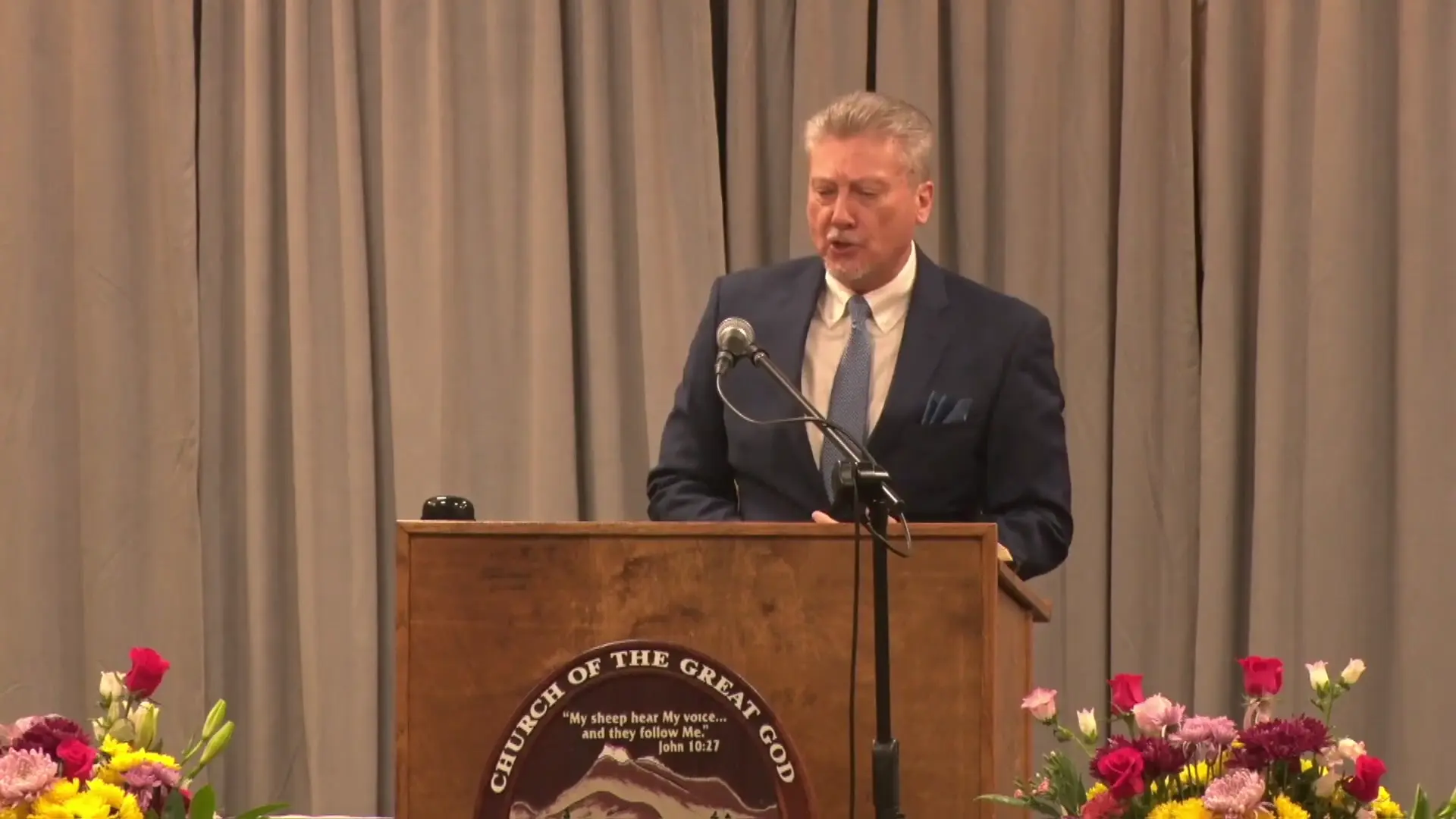
What Do We Have to Be Proud Of? (Part Two)
Feast of Tabernacles Sermon by Richard T. RitenbaughModern obsession with originality, uniqueness, and superiority is a misdirected form of pride that obscures the Christian call to speak truth, do good, and pursue excellence. By examining passages from Romans, Philippians, Proverbs, and particularly I Corinthians, it demonstrates that human wisdom and transgressive individualism are not truly novel but are rooted in the universal condition of sin and self-exaltation. The text contends that believers often rely on worldly philosophy rather than divine revelation, ignoring the fact that all gifts and abilities are received from God rather than earned. Consequently, the pursuit of personal distinction is exposed as baseless arrogance, and the proper Christian response is a humble acceptance of one's place within God's design, anchoring identity and wisdom in Christ and Scripture rather than in the fleeting acclaim of human approval.
Truth and God's Governance (Part Two)
CGG Weekly by David C. GrabbeThe best human leaders are those who recognize that they are not the ones running things. Exceptional leaders submit to the reality of God's sovereignty.
James and Unleavened Bread (Part Two)
Sermon by Richard T. RitenbaughThe epistle of James stresses both faith and works, emphasizing those factors necessary for growth, enabling us to produce a bountiful harvest of fruit.
The Meekness and Gentleness of Christ
Sermon by Martin G. CollinsJesus demonstrated His meekness in His treatment of many with whom He interacted. Balancing firmness and gentleness, He seeks to save rather than destroy.
Ecclesiastes and Christian Living (Part Fourteen): A Summary
'Personal' from John W. RitenbaughAlong with the central paradox of Ecclesiastes 7, the chapter emphasizes the importance of an individual's lifelong search for wisdom.
A Time to Laugh
'Ready Answer' by David F. MaasAt the right time and in the right situation, laughter can indeed be the best medicine. Humor and merriment can be therapeutic both physically and spiritually.