


Filter by Categories
Service: A Key to Spiritual Success
Article by William R. GrayVolunteering to serve God is a vital aspect of our Christian walk, essential for spiritual growth and success in all areas of life. Servanthood, though less frequently discussed than prayer or Bible study, remains a key to fulfilling God's will. With Christ's perfect example as our guide, we can trust that if God opens a door for us to serve, we will succeed, as the Holy Spirit will supply what we lack. Our role is to maintain an attitude of availability and to recognize the call to serve when it comes, trusting God to work through us rather than relying on our own abilities. As we practice serving, we grow accustomed to God working through us, gaining confidence and learning to set aside our human nature. We must humbly direct all praise and credit to Him, understanding that we cannot choose the areas in which we serve. No task God calls us to is beyond our ability to do well, even if it does not meet our expectations. If done to the best of our abilities, we will not displease our Creator. A fundamental principle is that, regardless of who benefits from our service or how they respond, it is ultimately God whom we serve. Seeking approval from others indicates wrong motives, often centered on ourselves, and can lead to emotional instability. Our service must be rooted in commitment, not emotions or a need for recognition, mirroring the steadfast decision to tithe. As part of God's process of shaping us into His Son's image, we should serve whenever the opportunity arises, doing the will of God from the heart, as to the Lord, and not to men.
Human Will and God's Sovereignty (Part One)
Commentary by John W. Ritenbaugh (1932-2023)Many individuals sincerely volunteer their services to God, driven by their human will, yet they remain spiritually ill-equipped due to their inborn carnality that opposes God and His law. This volunteering bypasses the essential adjustments that God provides to those He specifically calls into His service. Such benefits are vital, as revealed clearly in scripture, for true service to Him. God does not accept those who attempt to force themselves into His family or kingdom based on their own standards. A person born with a carnal mind lacks true free will to serve God, as their mind is not subject to His law and cannot be unless God deliberately adjusts it through His calling, granting understanding and willingness to submit. Scripture affirms that only those honestly called by God receive the right, authority, and privilege to be part of His family and kingdom, not through the will of the flesh, but by His divine will. The Father personally calls individuals to be drawn to the Son, and the Son chooses their placement within the church, as seen when He appointed the apostles, declaring that they did not choose Him, but He appointed them.
The Sovereignty of God (Part Seven)
Sermon by John W. RitenbaughGod, in His sovereignty, calls and summons some to eternal life, separating them from others, as a parent might call a child from a group for a specific purpose. He reveals Himself and His way to those He chooses, not because of any inherent quality or virtue in them, but solely by His own will and initiative. As seen in Acts 13:48, only those appointed to eternal life believed, showing that belief is a result of God's action, not the cause of it. He gives the desire and the power to accomplish His will, enabling us to respond and yield to Him through the gifts of His Spirit. This calling is not based on human merit or effort, for God chooses the foolish, the base, and the despised, not the wise or mighty, to fulfill His purpose. Our love for Him is a response to His prior love for us, and our faith is a gift from Him, empowering us to overcome.
The Sovereignty of God: Part Seven
'Personal' from John W. RitenbaughGod's calling is a specific summons, separating us from others as a parent calls a particular child from a group. Just as a parent calls with purpose, God calls us with intention, revealing His way and Himself through His Spirit. Our minds are supernaturally disposed to respond to His summons, distinguishing us from those not called at this time. This calling is entirely within the will of the sovereign God, who appoints those He desires to understand now. Human nature resists this humbling truth, often seeking credit for salvation through personal qualities or efforts. Yet, salvation is an act of God's grace, not earned by our merits. Like Israel, who reached the Promised Land only through God's sovereign acts, we too are dependent on His grace to motivate and empower us to fulfill His will, not our own pleasures. God's purpose in calling us requires us to carry responsibilities to their conclusion, much like Israel had to trek across the wilderness after liberation. As we mature spiritually, the trials we face often become more difficult, requiring a deep respect for the Almighty who called us and a concern for the uncertainties ahead. Our love for Him is a response to His initiative, as He has chosen us, the unlikely and weak, to pour out His grace upon, making us holy before Him.
Boundaries, Incursions, Migrations, and God (Part Two)
Feast of Tabernacles Sermon by John W. Ritenbaugh (1932-2023)The concept of volunteering to serve God is rooted in the understanding that human will alone cannot initiate a relationship with Him. God's sovereignty dictates that no one can lift themselves into a position of salvation by their own effort. A person may desire to give themselves to God, but without His calling and preparation, such volunteering will not succeed. God's involvement from the very beginning is essential, as He must raise individuals into that position, just as an external force is needed to lift an object. His infinite sovereignty means that He chooses whom to call, and no amount of human willingness or exertion can substitute for His mercy and grace. Our responsibility is to trust His character, which always acts in love and righteousness, even when His decisions are inexplicable to us.
Human Will and God's Sovereignty (Part Two)
Commentary by John W. Ritenbaugh (1932-2023)The New Testament employs the Greek term klesis to denote an invitation from God in heaven, an offer to receive the salvation He extends. This invitation stands as essential because the human will cannot independently initiate obedience to God. The will functions merely as an instrument of choice placed within each person, yet it remains entirely dependent upon external influences rather than sovereign in its own right. No human, regardless of position or intellect, possesses a will capable of overriding all other bodily functions or determining its own direction without prior causation. Influences such as carnal self-centeredness, conscience, logic, Satan, or the Holy Spirit shape every decision, rendering the will a servant that responds rather than originates. Scripture demonstrates this limitation through the account of Adam and Eve, whose wills yielded to desires for fruit and the approval of another, resulting in tragic choices against God's law. The unconverted heart, described as deceitful and naturally inclined toward self-indulgence, consistently prefers sin over virtue and therefore rejects the path to life. Only when God issues His calling and grants a new heart does the will receive the influence necessary to select piety and obedience. Jesus affirmed that no one can come to Him unless the Father draws that person, establishing divine initiative as the sole means by which any individual enters service to God.
Boundaries, Incursions, Migrations, and God (Part One)
Feast of Tabernacles Sermon by John W. RitenbaughThe globalist enemies of language, borders, and culture have made themselves enemies of the will of God, who set up boundaries for all the children of Adam.
Being Alert to Our Enemy
Feast of Tabernacles Sermon by John W. Ritenbaugh (1932-2023)Like the cycles of the seasons, the events of prophecy follow natural progressions. God has given ample warnings to His prophets to prepare His people.
Pentecost and the Mystery of the Church
Sermon by Mark SchindlerGod forbids us to make alliances with carnal minds on divisive issues. The only division God desires is a separation from the world and its enticing drives.
What Is the Church?
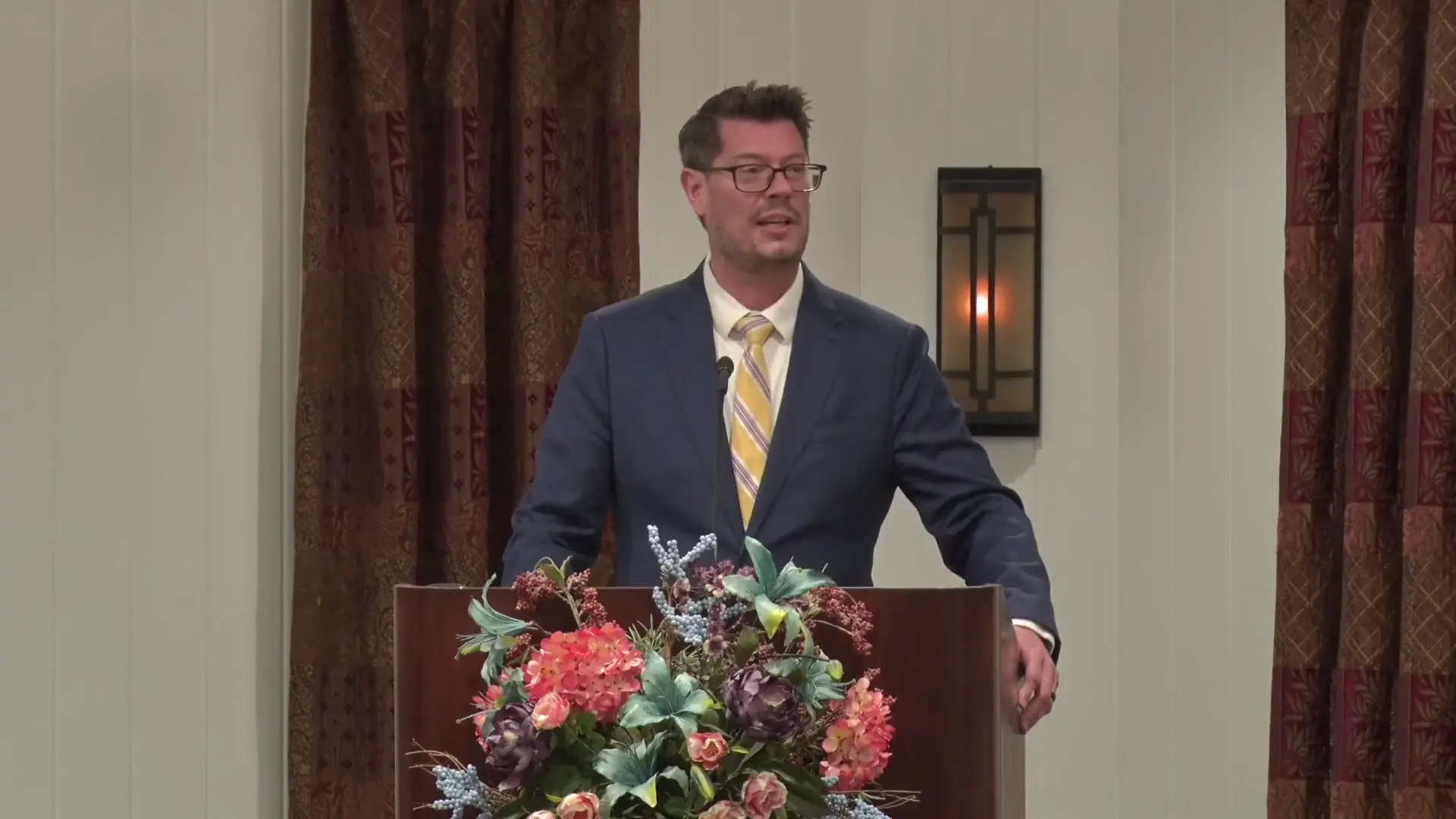
Sermon by Ryan McClureIn the quest for a church, many express a desire for opportunities to serve, reflecting a deeper yearning to contribute to God's work. Social media posts often highlight individuals and families seeking congregations with diverse serving opportunities, such as participating in worship teams by singing, playing instruments like drums or keys, or engaging in dance during youth services. These seekers value community-focused environments where they can actively volunteer and use their talents to support the assembly. This desire aligns with the biblical understanding of the church as an assembly of believers called by God to live according to His instructions. As part of this called-out group, members are commissioned to grow into the image of Christ, learning and changing through the guidance of His Word and Holy Spirit. Serving within the church becomes a vital expression of this transformation, as it provides a training ground to develop spiritually and prepare for future roles in God's Kingdom. The church, founded and built upon Jesus Christ as its Head and chief cornerstone, is not merely a place to attend but a congregation where believers follow His teachings and strive to overcome sin. Volunteering to serve God within this assembly is a response to His call, an act of worship in spirit and truth, and a commitment to align one's life with His commands. True worshippers, as Jesus instructs, must engage in this service, contributing to the body of believers as they are led by Christ and taught by His Word.
His Eye Is on the Sparrow (Part Two)
Sermon by John W. Ritenbaugh (1932-2023)Jesus Christ has full control of the church. Everything of consequence, including the development of our character, is engineered by Him.
Hebrews (Part Fourteen): Chapter 2, A Mind Bending Purpose (Part Three)
Sermon by John W. Ritenbaugh (1932-2023)Without a meaningful relationship with Christ, God's people cannot possibly bear fruit. Our responsibility is to yield to God's creative work in our lives.
Is There a True Church?
'Personal' from John W. RitenbaughMany 'church of God' organizations claim to be part of—or even the only—church of God. The Bible reveals specific characteristics of God's church.
Is the Christian Required To Do Works? (Part Three)
'Personal' from John W. RitenbaughWe have been called, not just to believe in Christ, but also to overcome sin, which takes a great deal of effort. Justification requires a response.
Using Power Righteously (Part Two)
Sermon by John W. Ritenbaugh (1932-2023)God has singled each one of us out individually, calling us, gifting us with capabilities, and preparing us for eternal life as members of His family.
Why We Observe Passover and the Days of Unleavened Bread
Sermon by John W. RitenbaughWe keep Unleavened Bread because of what God did to bring us out of sin (typified by Egypt). While God compels us to make choices, He is with us all the way.
Why Hebrews Was Written (Part Six)
'Personal' from John W. RitenbaughAmerican culture is in obvious decline, and it is undoubtedly linked to the fact that mainstream Christianity is bereft of moral leadership.