


Filter by Categories

The Duality of Prophecy
'Prophecy Watch' by Earl L. HennMost Bible prophecy is dual, consisting of a type and an antitype. The type is usually a relatively minor event in history that symbolizes a major event later, often in the end time; that major event is the antitype. This reflects a broader pattern of duality in Scripture, where a physical reality prefigures a spiritual one, as with the first Adam and Christ, or the Old and New Covenants. The Olivet Prophecy (Matthew 24, Mark 13, Luke 21) is a key example: Jerusalem's destruction in AD 70 was the type, and the Great Tribulation just before Christ's return is the antitype. Ignorance of this led early Christians to expect Christ's return after Jerusalem fell, and their disillusionment helped bring on the apostasy of the late first century. Likewise, the Jews rejected Christ because they expected a conquering king, missing that the prophecies of His kingly reign describe His second coming. A typical fulfillment may stop short of the whole prophecy, as when Jesus read Isaiah 61:1-2 in Nazareth and stopped mid-verse, because the rest belongs to His return. Not every prophecy is dual; those on city-states like Tyre and Sidon seem to lack an antitype. Duality is used mainly for prophecies concerning Israel or the church, and ancient Babylon is a type of the end-time world society that persecutes God's church. The first-century apostasy is a type of an end-time apostasy, so believers must watch the world, the church, and above all their own spiritual condition.
Prophecy and the Sixth-Century Axial Period
'Personal' from John W. RitenbaughThe principle of duality in prophecy requires careful consideration when interpreting prophetic statements, as they sometimes apply to more than one fulfillment. Dual applications do exist, but not every prophecy is intended by God to have such multiple meanings, and misinterpretation can easily occur. A clear example of duality is seen in Christ's first coming to atone for sins and His second coming to rule as King of Kings. Similarly, Jesus' Olivet prophecy in Matthew 24, Mark 13, and Luke 21 describes conditions that befell Judea shortly after His ascension, which also appear to be forming again in our time. Additionally, Hosea 11:1-12, a prophecy against ancient Israel led by Ephraim, holds modern relevance, with verse 1 applied to Christ in Matthew 2:15 when Joseph, Mary, and Jesus fled to Egypt to escape Herod's persecution and were later brought back by God. This prophecy saw fulfillment twice before the first century AD, raising questions about further applications to modern Israel or a future time. The complexity of such dual applications underscores the need for caution, as assumptions about their extent or specific modern parallels can lead to error.
Symbolism, Types, and Prophecies
Sermonette byWe must be careful about applying a biblical symbol to prophetic events too rigidly. The term 'Zion' may apply to the church, but not all the time.
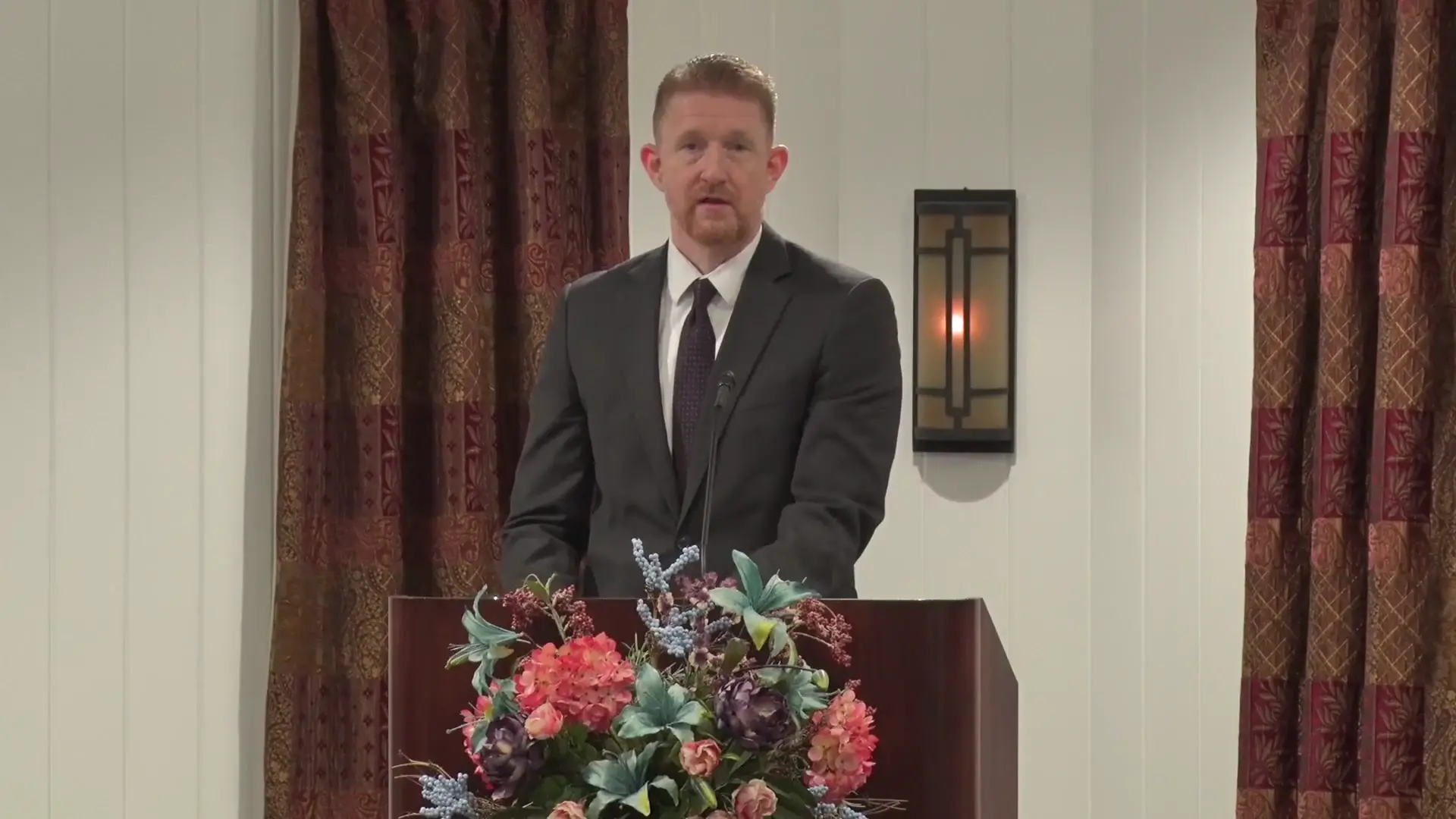
The Olivet Prophecy Paradox
Sermon by David C. GrabbeThe Olivet Prophecy in Matthew 24 exhibits a duality of fulfillment, with an early lesser realization in the first century and the complete realization still ahead at the end of the age. Jesus' prediction of the Temple's destruction prompted the disciples to link that event with His return and the close of the age, yet His response addresses both periods. The initial phase included false messiahs, wars, famines, persecutions, the gospel's proclamation, an abomination of desolation, and the flight of much of the Jerusalem church before the city's fall, though without the heavenly signs or Christ's appearing described in the chapter. The greater fulfillment remains future, marked by intensified betrayal and hatred among God's people, a proliferation of false prophets, abounding lawlessness that chills the love of many, the worldwide preaching of the gospel of the Kingdom, and a future abomination of desolation patterned after earlier idolatrous desecrations. This same period is portrayed through maximal language as the greatest tribulation ever, matching descriptions of Jacob's trouble and unparalleled distress, yet also likened to the days of Noah and Lot in which ordinary activities continued until sudden destruction overtook the unprepared. The apparent contradiction resolves in two ways: the references to Noah and Lot stress the unexpected timing of judgment rather than prosperous conditions, while the Warsaw Ghetto illustrates how people adapt to extreme hardship, maintaining elements of normal life, commerce, and even cultural activity amid famine, disease, and persecution. This duality connects to the broader message that the epicenter of the final trouble will be Jerusalem and Judea, where Gentile trampling fulfills the days of vengeance prophesied earlier, threatening all flesh unless those days are shortened for the elect's sake. The pattern warns against spiritual complacency, as repeated exposure to surrounding lawlessness can gradually chill love for God, urging readiness before the final separation occurs.
Prophets and Prophecy (Part Three)
Sermon by John W. RitenbaughJohn the Baptist fulfilled the prophecy of the 'Elijah to come.' We must apply duality of prophecy carefully and cautiously rather than indiscriminately.
The Proof of the Bible
Herbert W. Armstrong BookletWe live in an age of skepticism. Is the Bible superstition or authority? Did you ever stop to PROVE whether the Bible is the inspired Word of God?
Prophets and Prophecy (Part One)
Sermon by John W. RitenbaughA prophet is one who speaks for God, expressing His will in words and sometimes signs. Standing outside the system, he proclaims God's purpose, including repentance.
Matthew 24:34: 'This Generation'
Sermon by Richard T. RitenbaughPreterists hang their entire philosophy on the interpretation (or misinterpretation) of 'this generation' in Matthew 24:34. Here is what it means.
The Beast and Babylon (Part Three): Who Is the Woman?
'Personal' from John W. RitenbaughIs the Woman depicted in Revelation 12 the church, as the church has dogmatically taught? Or is she another prophetic entity that is active today?
The Beast and Babylon (Part Ten): Babylon the Great Is a Nation
'Personal' from John W. RitenbaughMost commentators identify the Harlot of Revelation 17 and 18 as either a church or a broader cultural system. However, the Harlot is a powerful nation.
Conspiracy Theory (Part Three)
Commentary by John W. Ritenbaugh (1932-2023)From the beginning, Satan has attempted to influence heads of nations and religious organizations. We need to be aware that he will attack again and again.
The Handwriting Is on the Wall (1997)
Feast of Tabernacles Sermon by John W. RitenbaughThe scattering of the church of God reflects a more general trend on the world scene—the disintegration of the major religions into millions of pieces.
Never Allow Your Love to Wax Cold
Sermon by Clyde FinkleaDestruction comes from a gradual withdrawal from intimacy with God rather than outright rejection. We must be vigilant against spiritual complacency.

'I Will Pour Out My Spirit!'
Sermon by Martin G. CollinsThe outpouring of God's Holy Spirit in AD 31 represented a pivotal event in church history, marking the initial fulfillment of Joel's prophecy.
Self-Government and Responsibility (Part Three)
Sermon by John W. RitenbaughJacob's Trouble, or the Great Tribulation, comes about because people are not meeting their God-given responsibilities: keeping His Commandments.