


Filter by Categories
Be Holy, as I am Holy
Sermon by Ted E. BowlingHoliness, as a call to be set apart, extends deeply into our conduct, reflecting a spiritual and moral transformation. As it is written in I Peter 1:15-16, "But as He who has called you is holy, you also be holy in all your conduct, because it is written, Be holy, for I am holy." This command urges us to separate from our sinful nature and dedicate ourselves to God, embodying attributes and qualities that mirror His character. To truly reflect godlike character, one must possess His Holy Spirit, enabling a life that visibly demonstrates His love and righteousness. Bearing godly fruit through our actions—being loving, patient, kind, humble, and forgiving—serves as a visible sign of a life rooted in obedience to God and in conduct aligned with Jesus Christ. As stated in John 15:16, we are chosen and appointed to bear fruit that remains, showing God's character in our interactions with family, friends, and coworkers. This daily reflection of His nature confirms our growth in Him and draws us closer to His standard. Sanctification and conversion are processes, requiring us to strive toward a higher standard, the standard of our Lord and Father. Our trials and challenges, though overwhelming at times, strengthen us as we proceed toward perfection. I Peter 2:9 declares, "But you are a chosen generation, a royal priesthood, a holy nation, His own special people, that you may proclaim the praises of Him who called you out of darkness and into His marvelous light." This calling demands a life of obedience and distinction as God's people. Titus 2:11-14 further instructs us to deny ungodliness and worldly lusts, living soberly, righteously, and godly in this present age, as we look for the blessed hope and glorious appearing of our great God and Savior Jesus Christ. He gave Himself to redeem us from lawless deeds and to purify for Himself a special people, zealous for good works. This purification process underscores His investment in us, aiming for us to be blameless before God. Finally, I Peter 1:13-15 calls us to gird up the loins of our mind, to be sober, and to rest our hope fully upon the grace brought at the revelation of Jesus Christ. As obedient children, we must not conform to former lusts but be holy in all our conduct, mirroring His holiness. II Peter 1:10 urges diligence in confirming our calling and choosing through behavior that reflects our relationship with God, ensuring that by actively developing virtues, we will not stumble in spiritual growth and will lead others away from sin.
As He Is Holy (Part Two)
CGG Weekly by Ronny H. GrahamGod declares us holy under the blood of Christ and expects us to become holy through Christian growth. We are called to be holy in all our conduct, as it is written, "Be holy, for I am holy." This holiness is not achieved through a single act of faith, love, kindness, sacrifice, or generosity, but through consistent obedience to His ways. One sin, however, can make us unholy and may even cost us our lives. God is serious about what He has made holy, and when we ignore or trample on His holy things, we risk endangering our eternal life. By striving to become holy as He is holy, we magnify His great name through our faithfulness to Him and His way of life. If we allow God to use us, keeping His laws as He has commanded in all our conduct, we will be holy as He is holy.
The Holiness Code
Sermon by Richard T. RitenbaughHoliness as conduct is a central theme in the chapters of Leviticus often referred to as the holiness code, particularly in chapters 17 through 23. These chapters emphasize that because God is holy, His people must reflect His character in their daily lives through their thoughts, speech, and deeds. God repeatedly declares, "I am the Lord," as a reminder of His holiness and authority, instructing His people to act in ways that mirror His nature. The purpose of the numerous laws and statutes in these chapters is to teach how God lives, revealing His essential nature of ultimate purity and holiness. Since He commands His people to become holy as He is, they are to live according to these guidelines. However, holiness is not achieved merely by following these laws. Only God, who is inherently holy, has the power to sanctify and make something holy. A person cannot become holy simply by adhering to these rules; rather, God first sets them apart, and their conduct in keeping His laws is a response to being sanctified. This process begins with an initial declaration of holiness when one comes under God's covenant, followed by a lifelong journey of growing in holiness through His guidance. The laws serve as tools to help maintain and build holy character, but without God's active participation, one can at best be moral, not truly holy. The holiness code remains relevant as it reflects God's unchanging character, teaching how to grow in righteous, godly behavior. While some laws may no longer apply in their literal form due to changes in context, their spiritual principles endure and must be thoughtfully applied to current circumstances. The spirit of the law often extends beyond the letter, requiring meditation and discernment to understand how to live out God's will in daily actions. By striving to be like Christ, one becomes holier, more set apart, and more reflective of God's transcendent purity. Thus, the holiness code is a vital guide for conduct, helping God's people to remain holy and grow in His image.
Sanctification and Holiness (Part 1)
Sermon by John W. RitenbaughHoliness as conduct requires separation from the way, manner, lifestyle, and attitudes of the system into which one is born. This separation moves one to adopt God's way, manner, system, and attitude instead. Holiness as conduct means becoming moral rather than immoral, ethical rather than unethical, and spiritual in the way God is spiritual rather than in the way Satan is spiritual. Holiness as conduct demands cleanliness, purity, blamelessness, and sacredness in life as well as in sacrifices offered to God. Holiness as conduct requires keeping His commandments, statutes, and judgments. This keeping of His commandments, statutes, and judgments witnesses that God is the Creator. Holiness as conduct occurs within a royal priesthood that offers up spiritual sacrifices acceptable to God by Jesus Christ. Holiness as conduct fits living stones into a spiritual house that serves as a dwelling place for God.
Holiness of God (Part 4)
Sermon by John W. RitenbaughHoliness as conduct requires being holy in all conduct because God who called is holy. This means walking in the light as He is in the light and living in righteousness rather than in darkness which symbolizes evil. Righteousness forms a step toward holiness as part of a process of steady progression in ever increasing righteousness unto holiness. Everyone who has the hope of being like God purifies himself just as He is pure so that purity equates with light and holiness while darkness equates with evil. God wants holiness in every aspect of thinking speaking acting working loving and attitudes which embodies His goodness reliability truthfulness love justice and beauty in a human fashion. The path to holiness involves relationships especially the relationship with God established through Jesus Christ where His perspectives attitudes character and virtues become expressed outwardly in conduct. This occurs through fellowship that reflects God's glory almost like osmosis and through growth in grace which produces victory over everything that defiles. Becoming holy fulfills the destiny for which God created humanity and without holiness no one will see the Lord. The path requires inner resolution self discipline and cooperative effort with God who enables through grace yet demands yielding submission and exertion of the will.
Prepare to Meet Your God! (Part Five): Religion and Holiness
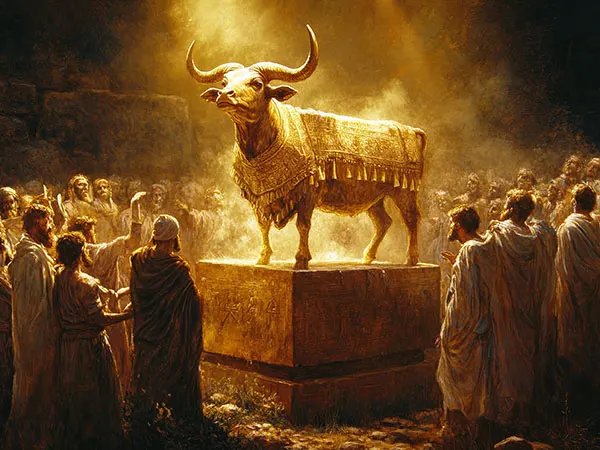
Article by John W. Ritenbaugh and Richard T. RitenbaughThe prophet Amos exposes the ancient Israelites' religion as syncretic, a blend of God's way and paganism, corresponding to this world's Christianity.
What Is the Holy Spirit?
'Ready Answer' by David C. GrabbeEven theologians admit that the Holy Spirit is a mystery to them. Yet the confusion comes from pagan thought patterns that have affected how Scripture is read.
Holiness (Part 1)
Sermon by John W. RitenbaughTo appropriate the name of God means to represent His attributes, character and nature. Our behavior must imitate Christ just as Christ revealed God the Father.
The Priesthood of God (Part Three)
Sermon by John W. Ritenbaugh (1932-2023)Because God is holy, His people must also be holy, displaying the character of God. Holiness designates God-like qualities found in those sanctified by God.
Living Up to Our Responsibilities
Sermonette by Mark SchindlerMuch of the pain and anguish of a trial to the Body of Christ may well be caused by someone letting down in his or her responsibility within the Body.

After Pentecost, Then What?
'Personal' from John W. RitenbaughThe holy days typify the steps in God's plan. What happens between Pentecost and Trumpets, the long summer months?
We Must Work for What We Believe
Sermon by Mark SchindlerWiping out terrorists may seem clear-headed, but our viewpoint must be based on Micah 4:1-7, which describes a time when swords will be beaten into plowshares.
His Eye Is on the Sparrow (Part Four)
Sermon by John W. Ritenbaugh (1932-2023)From the beginning, God has set apart certain individuals, putting them through a sanctifying process, perfecting their character until they reflect His image.

Prepare to Meet Your God! (Part Eight): Seek Me and Live!
Article by John W. Ritenbaugh and Richard T. RitenbaughHoliness as conduct is a central theme in the message of Amos, emphasizing the necessity of aligning one's actions and emotions with God's standards to truly live. Seek good and not evil, that you may live; so the LORD God of hosts will be with you (Amos 5:14). This command underscores that seeking good, or turning to God in repentance, is an active choice, not a natural inclination. It requires setting aside time and life for God, making it a deliberate target in daily living. Holiness involves both action and emotion: seeking and shunning, loving good and hating evil. The action of turning to good must precede the emotions of hating evil and loving good, as waiting for the right feeling before acting will lead to inaction (Amos 5:14-15). If holiness does not encompass both, it risks becoming a facade, something that can be put on and taken off, rather than a whole way of life. Holiness, therefore, produces the best quality of life, mirroring the eternal life God lives. God's people must constantly think about holiness, recognizing that He has chosen them out of this world and given grace to be holy. The Israelites complacently assumed God's favor, but true holiness demands daily seeking of Him, not just occasional acts of devotion. Only by setting oneself to seek the Lord and His holiness can one receive the infusion of grace by His Spirit, enabling a life lived in spirit and truth (John 4:24). God gives His Spirit to those who obey Him, emphasizing that obedience must come first, followed by the Spirit's empowerment (Acts 5:32). Thus, grace and obedience work together, requiring action in faith before receiving the blessing or strength to continue, fostering growth in a life dedicated to God.
Called To Be Saints (Part Two)
CGG Weekly by David C. GrabbeOur calling to be a holy one - to be a saint - is our real vocation. We must continually evaluate everything through the lens of being set apart for holiness.
Is the Christian Required To Do Works? (Part Six)
'Personal' from John W. RitenbaughWorks cannot earn us salvation. However, they play many vital roles in our Christian walk toward the Kingdom of God, especially in developing holiness.
Preparing to Rule (1993)
Feast of Tabernacles Sermon by John W. RitenbaughSanctification is both a state and a process—a time period between justification and glorification during which overcoming, purification, and holiness takes place.
His Eye Is on the Sparrow (Part Five)
Sermon by John W. Ritenbaugh (1932-2023)As the lives of the major biblical figures were predestined, so are our lives. God chooses, moves, and manages the lives of His servants.
Who Are We and Where Do We Fit? (Part One)
Sermon by John W. Ritenbaugh (1932-2023)If we really considered or believed in our hearts that our calling was truly a treasure, we would take extraordinary steps to prevent any loss of it.
Forms vs. Spirituality (Part 3)
Sermon by John W. RitenbaughGod's holy law gives love its foundation, stability, and evenness, preventing it from degenerating into a sappy, sentimental feeling.
The Covenants, Grace, and Law (Part Nine)
Sermon by John W. RitenbaughSatan has attempted to obliterate the sanctification step from the conversion process. Sanctification is produced by doing works pleasing to God.
Amos (Part Six)
Sermon/Bible Study byThe favorite-son status of Israel was conditioned on accepting the terms of the covenant with God. Israel, then and now, has placed her trust in material things.
Elements of Judgment (Part Five)
Sermon by John W. Ritenbaugh (1932-2023)We dare not 'do away' anything that is part of God's mind, or we will not be in His image. Acts 15 did not give Gentiles exemption from keeping God's Law.
Deuteronomy (Part 3) (1994)
Feast of Tabernacles Sermon by John W. RitenbaughWe will not be prepared to rule in the Millennium unless we are experientially persuaded of God's faithfulness to His Covenant and His intolerance of evil.
The Book of Daniel (Part One)
Sermon by Martin G. CollinsIf we look upon the Book of Daniel as a puzzle of prophecies, we miss the more important point that it gives strategies to remain godly in a godless venue.

Presumption and Divine Justice (Part Two)
'Personal' from John W. RitenbaughThe Bible reveals a pattern of God's displeasure with presumption. God's justice always aligns with His righteousness, but He often acts in mercy.
The Fear of God (Part Three)
Feast of Tabernacles Sermon by John W. RitenbaughAfter the Spirit of God is imparted, removing the fear of men and installing the life-sustaining fear of God, the real dramatic growth takes place.
Examples of Divine Justice
Sermon by John W. RitenbaughNadab and Abihu, Ananias and Sapphira, and Uzzah, all aware of the penalties for their actions, rebelled against God's clear and unambiguous instructions.
Amos (Part Thirteen)
Sermon/Bible Study by John W. RitenbaughThe people to whom Amos writes have the mistaken assumption that because they have made the covenant with God, they can bask in a kind of divine favoritism.