


Filter by Categories
Is the Love of Many Growing Cold?
'Ready Answer' by David C. GrabbeIn Matthew 24:12, the love that grows cold is agape, the God-given love that has a moral core rather than an emotional one. It is shown to God through obedience to His law and to others through sacrifice. Because it is the opposite of lawlessness, it cools when compromise and disobedience increase, as with Ephesus leaving its first love (Revelation 2:4-5). False prophets who loosen God's standard of holiness drive this decline (Matthew 24:11), and the real cause is a weakening relationship with God, with decreasing sacrificial love as the symptom. Since the verse is easily misapplied to grievances, discernment is needed. Each person reflects only certain facets of God's love, and each recognizes love differently, so one may wrongly conclude that love is absent when it simply takes a different form. All also love imperfectly, so imperfection alone does not mean love is cold. Self-focus further clouds judgment. If love truly is waning, Christ's answer is to endure patiently to the end (Matthew 24:13), following the description of love in I Corinthians 13 as long-suffering, enduring, and keeping no record of wrongs, rather than letting one's own agape cool. Either way, the responsibility is to perfect God's love by submitting to Him and sacrificing for others.
Never Allow Your Love to Wax Cold
Sermon by Clyde FinkleaIn the spiritual journey of God's people, there is a grave warning about allowing love to grow cold. As seen in the warnings to the churches in Revelation, particularly to Ephesus, Christ cautions against forsaking the first love, that intimate, loving relationship with Him. This neglect, a gradual withdrawal, mirrors the spiritual decline where love waxes cold due to lawlessness and neglect of God's commandments. Christ warns that if this is not repented of, He will remove the lampstand, signifying a loss of spiritual light and connection. This could lead to spiritual blindness, and ultimately, separation from Christ, as He declares He will spew out those who do not restore their relationship with Him. In Matthew 24, Jesus speaks of the end of the age, warning that many will be led into sin, causing the love of many to wax cold due to lawlessness. This serves as a solemn reminder to keep God's laws written in our hearts and minds, lest we fall into the same trap of spiritual decline. The danger is real, as history shows with instances where God's people, becoming powerful and wealthy, allowed their love to grow cold, leading to division and loss of identity. Christ stands at the door and knocks, urging a return to that intimate relationship through obedience to His commandments. Spiritually, as God's people today, we must guard against this gradual withdrawal from intimacy with Him. Hosea 4:6 reveals that God's people are destroyed for a lack of knowledge, having rejected intimacy with Him. Because of this, He warns of rejection from being priests in His Kingdom due to forgetting His law. We must never allow our love to wax cold, maintaining a fervent, loving relationship with each other and with our Lord and Savior Jesus Christ and our Heavenly Father through constant repentance and adherence to His commandments.

Waxing Cold
'Prophecy Watch' by John ReissJesus warns in Matthew 24:12 that the love of many will grow cold due to the pervasive spread of evil. Yet, this provides hope, as not all will falter; some will remain faithful in their love. To be among those who keep godly love alive, we must focus on Jesus Christ and His example of loving behavior, striving to imitate it. As Paul urges in II Timothy 1:6, we should fan into flame the gift of God, keeping it boiling hot. By doing so, the surrounding turmoil and evil will not cause us to stop loving others.

How Much Does God Love Us? (Part One)
'Ready Answer' by Pat HigginsJesus warns in Matthew 24:12 that because lawlessness will abound, the love of many will grow cold. To prevent this, we must return to the source of true love, as I John 4:19 declares: We love Him because He first loved us. Keeping our love strong requires holding fast to the belief in how much God loves us. Without faith in this Source, our love cannot be replenished, and it inevitably grows cold. Jesus contrasts two groups in Matthew 24:12-13: those who lose faith in God's love and grow cold, and those who endure to the end by holding on to that faith, ultimately being saved. In times of great trial, such as the time of Jacob's Trouble, when famine, disease, persecution, and betrayal may surround us, endurance will come only from a firm belief in how special we are to God and how deeply He loves us. This faith is essential to face any hardship, ensuring that our love does not grow cold even amidst the darkest challenges.
How Much Does God Love You?
Sermon/Bible Study by John W. RitenbaughIn the context of enduring challenges and maintaining faith, the concept of love growing cold emerges as a critical concern for the church, especially in the end times. Jesus warns that because iniquity abounds, the love of many will grow cold. This love, which comes directly from God and is shed abroad in our hearts, faces constant pressure from the pervasive sin and lawlessness in the world. Everywhere, in business, entertainment, and daily interactions, this iniquity exerts a wearying force, tempting us to compromise and go along with the flow. It becomes easier to stop fighting against it, to become like the Laodiceans, and simply lean back, allowing this divine love to dissipate within us. Jesus expresses deep concern about whether, at His return, He will find faith on earth—faith specifically in God's love for us. This faith is essential, as it underpins our ability to endure the trials and tribulations of the end times. When circumstances look dire, and we feel unsafe or persecuted, the temptation to doubt God's love grows strong. Yet, we must not be deceived into thinking that God does not love us just because His presence seems absent. He is always there, sovereign and omniscient, aware of every detail of our lives. Those who endure, who maintain their belief in His love, are the ones who will be saved. This enduring love, fueled by faith in God's unwavering affection, motivates us to persist, to submit to Him, and to extend that love to others, ensuring we do not give in to the pressures of a sinful world.
Hebrews, Love, and the Ephesian Church
Feast of Tabernacles Sermon by John W. RitenbaughLike the Ephesians, the weary veterans in Hebrews were becoming apathetic through outside pressures, losing their former zeal and devotion to Christ.
How to Know We Love Christ
Sermon by John W. RitenbaughWe cannot become weary of well-doing, allowing our first love to deteriorate, looking to the world for satisfaction. Here are 8 tests of our love for Christ.
No Real Love Without God
Sermon by John O. ReidThe world today is driven not by love, but by Satan's way of living, marked by greed, hatred, lust, and self-seeking—the way of get, the way of self. What the world truly needs is not the fleeting, worldly idea of love or the passionate entanglements of youth, but the true love of man reflected across all mankind, bringing peace, harmony, joy, happiness, fulfillment, purpose, and brotherly love to heal this entire world. A lack of this true love reveals a deeper void, for hatred, animosity, greed, and wrath stem from another source: the prince of the power of the air. Those who fail to reflect God's love in their lives do not know Him, regardless of their knowledge of Scripture. In the end times, as lawlessness abounds, the love of many will grow cold, influenced by cruelty, persecutions, betrayals, and false teachings. This crumbling world, coupled with brethren drifting apart or losing zeal, puts pressure on us to abandon the fervor of our first love. The danger lies not in a lack of knowledge or understanding, but in a lack of application of what we know we should be doing. A lack of confidence or persistent fear—of job loss, illness, the economy, wars, or the unknown—demonstrates that our love and trust in God are not as complete as they should be. Perfect love casts out fear, and we must work to perfect our love, faith, and trust in Him, knowing He will help us. If we harbor hatred toward our spouses, fellow workers, or others, we do not possess the love of God. The world fails to grasp the depth of love Jesus desires from His disciples. Like the Ephesian era of the church, we risk losing our first love by focusing on the details of our calling while drifting from imitating the heart of Jesus Christ in our relationships with family, church members, and neighbors. We must not let down in maintaining a humble, serving attitude essential for those God selects for His Kingdom. True love requires active belief, not mere acknowledgment, prompting us to grow, apply His teachings, and move toward perfection without harboring grudges or anger toward others begotten by God.
Recapture Your First Love!
Article by John O. ReidFirst love is the purest kind of spiritual love we as humans can demonstrate. It is a love that truly shows one's heart is completely given to God.
Loving Christ and Revelation 2:1-7
Sermon by John W. RitenbaughThere is a direct relationship between loving Christ and doing the right works. God's love for us places us under a compelling obligation to reciprocate.
Without Heat, Thoughts Turn Cold
Commentary by Martin G. CollinsBecause of lawlessness—the absence of God in people's lives—many have allowed their affection for their priceless calling to grow lukewarm.
Faith to Face Our Trials
'Ready Answer' by Pat HigginsLife seems to be one trial after another. However, God has revealed an astounding facet of God's love that should give us the faith to soldier on.
Principled Living (Part Seven): Enduring to the End
Sermon by Richard T. RitenbaughLike a marathoner or a soldier fighting a battle, we are admonished to endure to the end, standing firm, holding our ground, and resisting assaults.
Filling Our Vessels with Pure Oil
Sermonette by Bill OnisickA good spiritual lamp, fueled by God's pure oil, will shine brightly, uniting heart, emotion, and will keep the letter and spirit of the law simultaneously.
Keeping the Faith Once Delivered
Sermon by Kim MyersWinds of doctrine continue to blow through the church, including Sacred Names, new moons, and Christ's eternal pre-existence before His birth as a human.
The Great Retreat
Sermonette by Joseph B. BaityWhen we withdraw from fellowship, we deprive ourselves of the blessing of sharpening one another. God demands active and practical engagement with His people.
The Handwriting Is On the Wall (2011)
Feast of Tabernacles Sermon by John W. Ritenbaugh (1932-2023)While love grows cold because lawlessness abounds, the church may well have to go underground in order to survive. We must prepare for horrific times.
Caught in a Blizzard?
Sermonette by Bill OnisickWe are being exposed to a spiritual blizzard, bringing darkness and coldness into the entire world. We are admonished to stoke the fire of God's Holy Spirit.

Who Will Be Kept from the Hour of Trial?
'Prophecy Watch' by David C. GrabbeGod promises some Christians that He will keep them from the Tribulation, the 'hour of trial.' Here are the characteristics of those whom God will protect.
The Olivet Prophecy Paradox
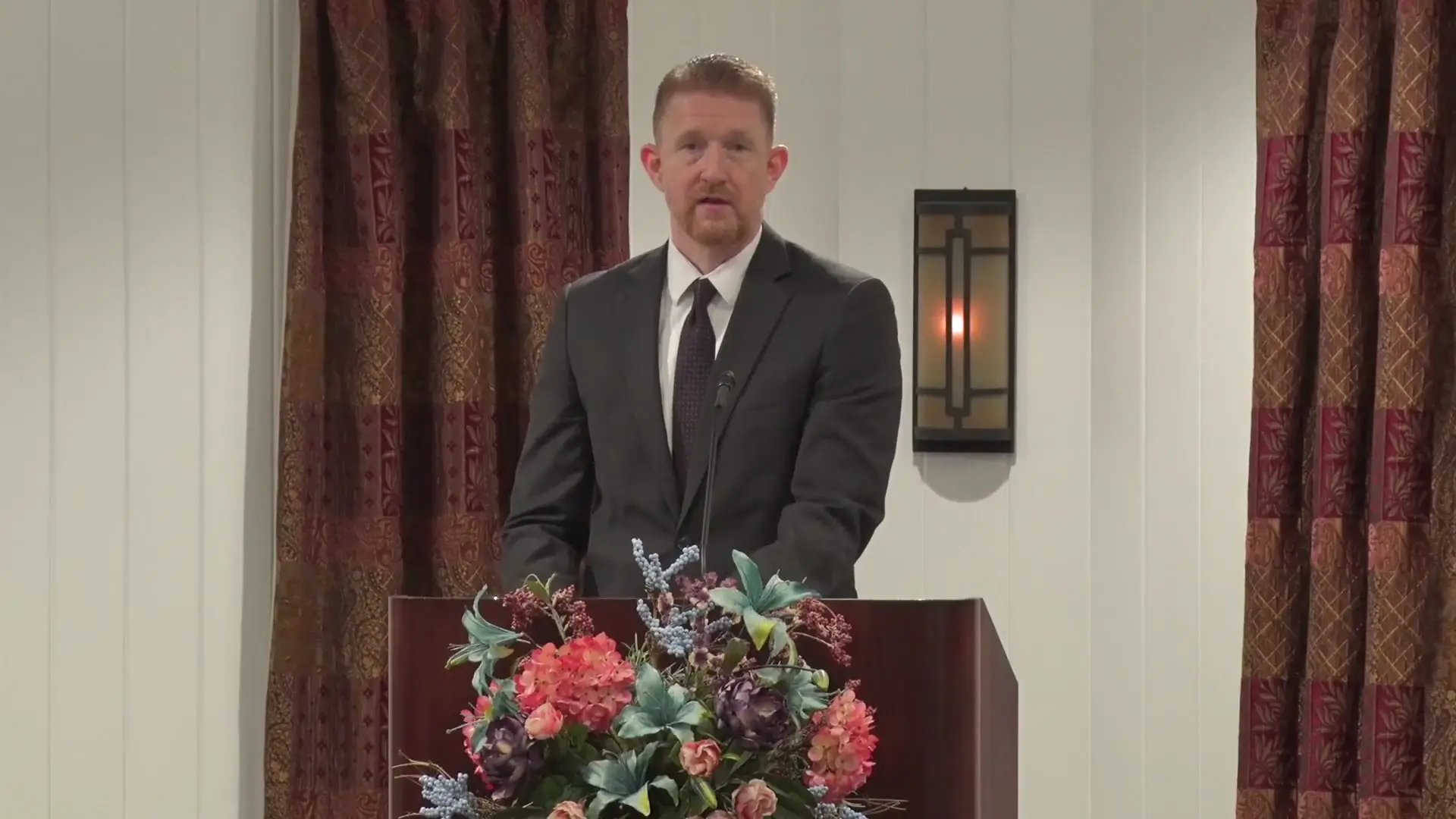
Sermon by David C. GrabbeThe Olivet Prophecy describes both a unique time of destruction and upheaval but also commonplace activities like eating, drinking, and marrying. How can this be?
Hebrews: A Message for Today
Feast of Tabernacles Sermon by John W. RitenbaughThe book of Hebrews provides reasons to recapture flagging zeal, focusing on the reason for our hope and faith, establishing Christ's credentials.
Overcoming Destructive Fear
Sermon by Clyde FinkleaJesus cautioned His disciples not to have any destructive fear. The worst fear of all is that which would cause us to deny Christ—namely, the fear of man.
Who Do You Trust? (Part One)
Sermon by Mark SchindlerCynical finger-pointing has destroyed confidence in every human institution, whether political, educational, scientific, and religious.
Willingness to Believe
Sermon by Richard T. RitenbaughAmericans (like most of the Western world) tend to be skeptical, cynical, and jaded, demanding mountains of evidence before becoming convinced of anything.
Does Doctrine Really Matter? (Part Four)
Sermon by John W. RitenbaughEven with Christ's sacrifice, God does not owe us salvation. We are called to walk, actively putting to death our carnal natures, resisting the complacency.
Faith (Part Five)
Sermon by John W. RitenbaughAt the time of the end, sin will be so pervasive and so compelling that our only resource for enduring its influence will be our relationship with God.

Handwriting on the Wall: Without Natural Affection
Feast of Tabernacles Sermon by Richard T. RitenbaughNarcissism and self-centeredness have snuffed out out-going concern, and everyone does what is right in their own eyes as the love of many grows cold.
Sovereignty and 'Once Saved Always Saved'
Sermon by John W. RitenbaughThose who believe in the "once saved always saved" doctrine fail to see that God has a more extensive and creative plan for mankind than merely saving him.